
Temporary & Freestanding Mezzanines
Temporary and freestanding mezzanines offer versatile solutions for maximising warehouse space without permanent structural alterations. These systems are ideal for businesses needing additional storage or operational areas in a flexible manner. Freestanding mezzanines can be quickly installed and dismantled, adapting to changing logistical requirements. Whether expanding office space or increasing storage capacity, these mezzanines ensure efficient use of vertical cubature while maintaining accessibility and compliance with safety regulations.
Envision Elevated Efficiency
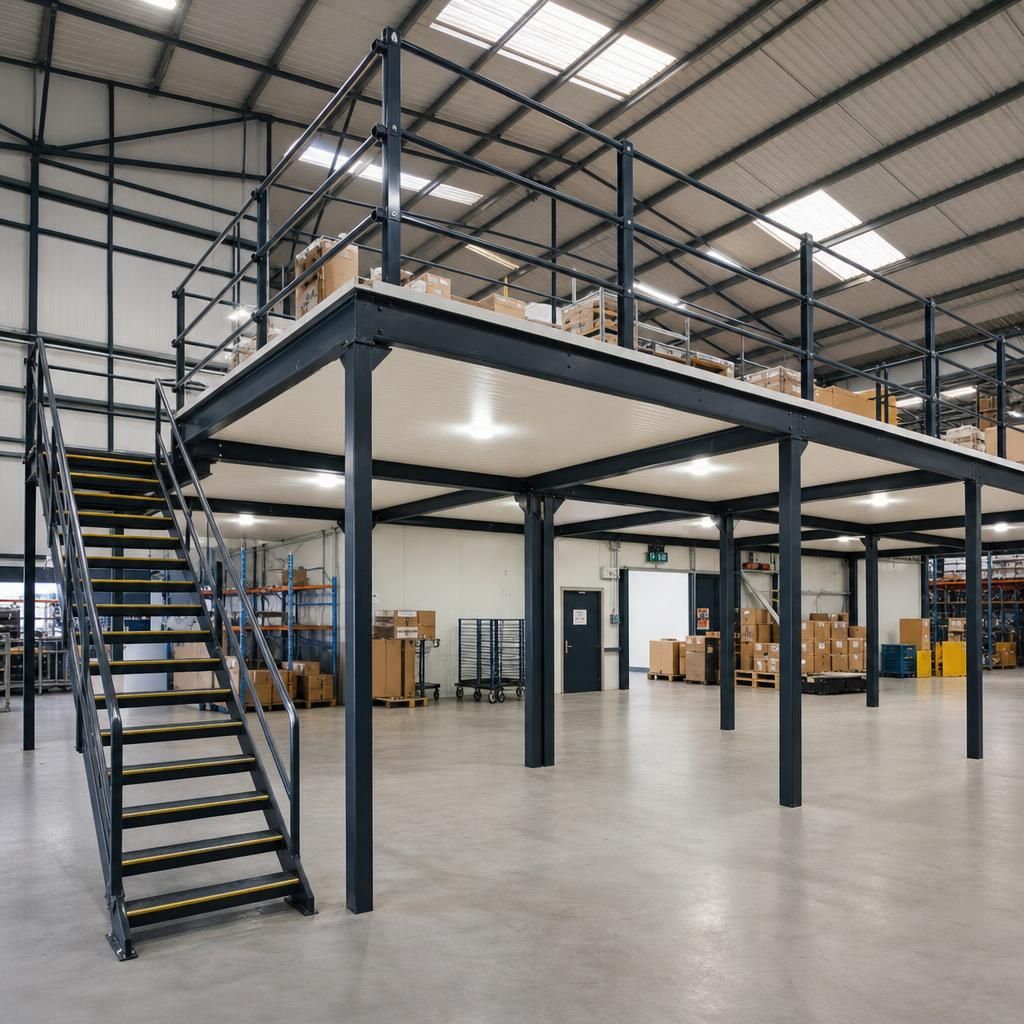
Maximise Vertical Space
Freestanding mezzanines provide an instant solution for utilising available vertical space efficiently in warehouses, offering additional storage or office areas without permanent changes to the building.
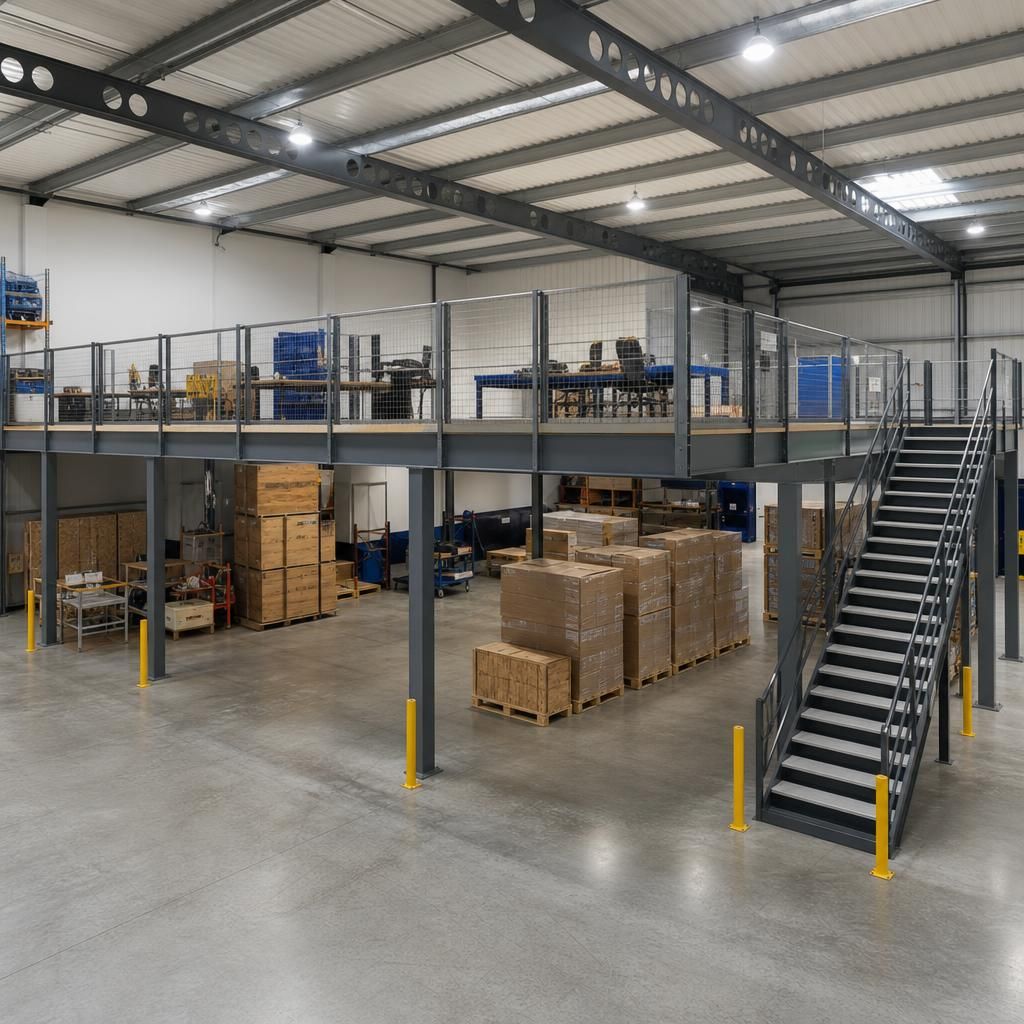
Compliance and Safety
Constructed to adhere to stringent British safety standards, these mezzanines ensure operational safety. Regular inspections and robust materials guarantee stability and longevity.
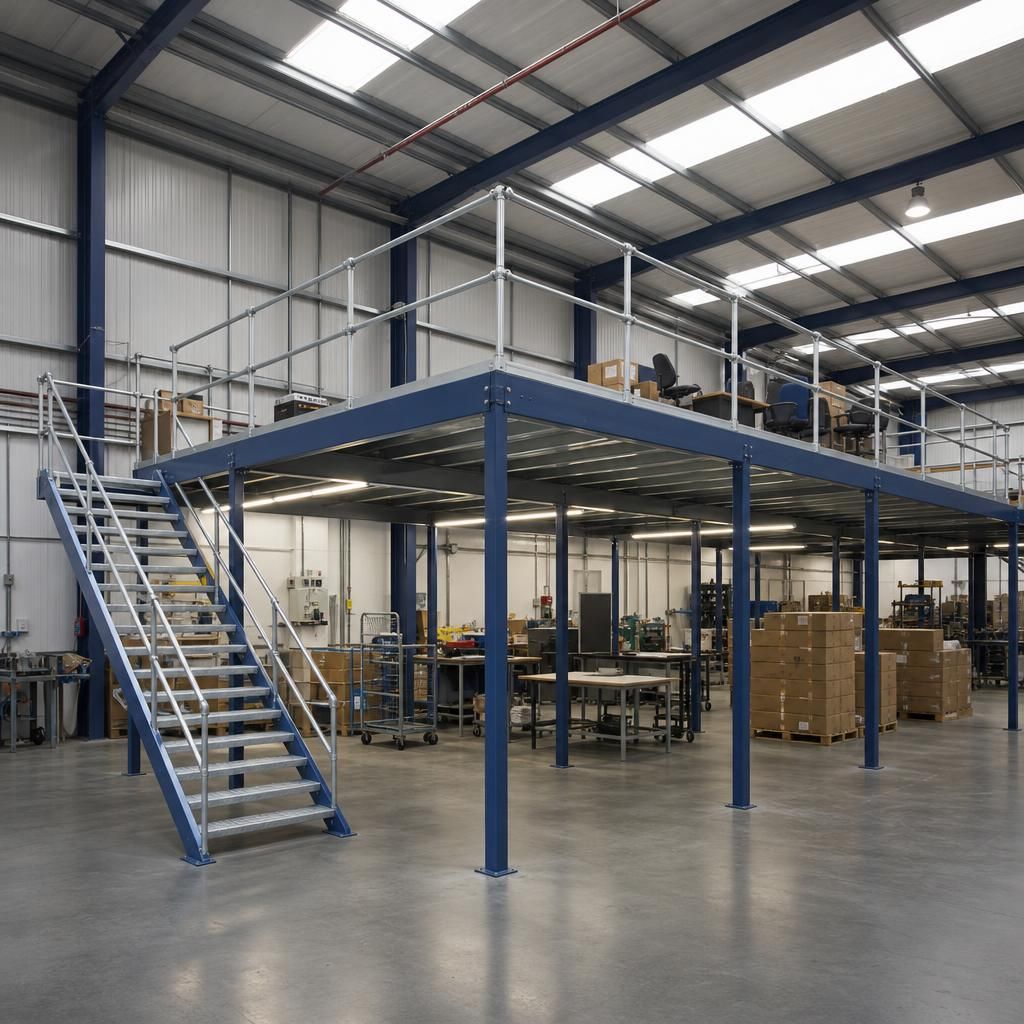
Flexible Designs for Dynamic Needs
Temporary mezzanines can be easily modified or moved, offering unparalleled flexibility for businesses with evolving operational demands.
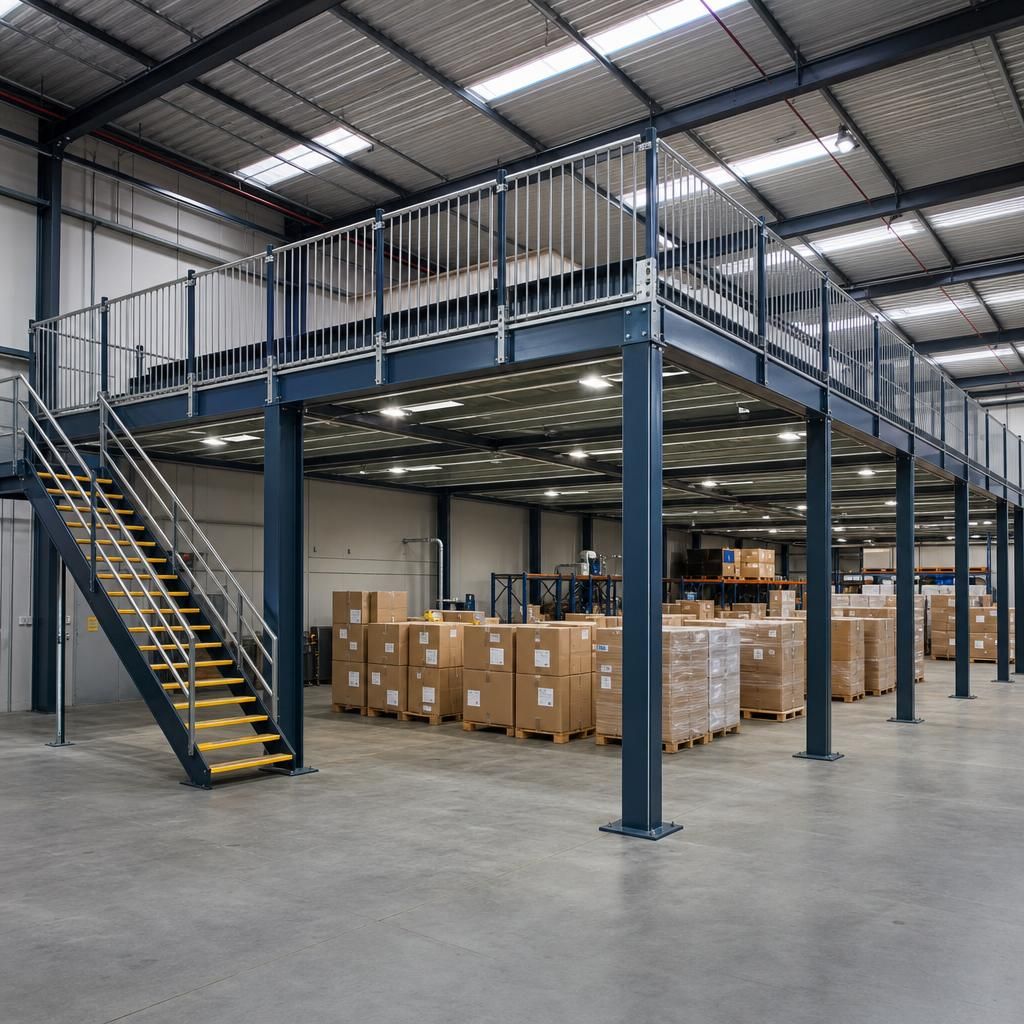
Quick Installation and Removal
Freestanding mezzanines can be rapidly installed or dismantled, minimising disruption to ongoing operations and accommodating rapidly changing logistical needs.
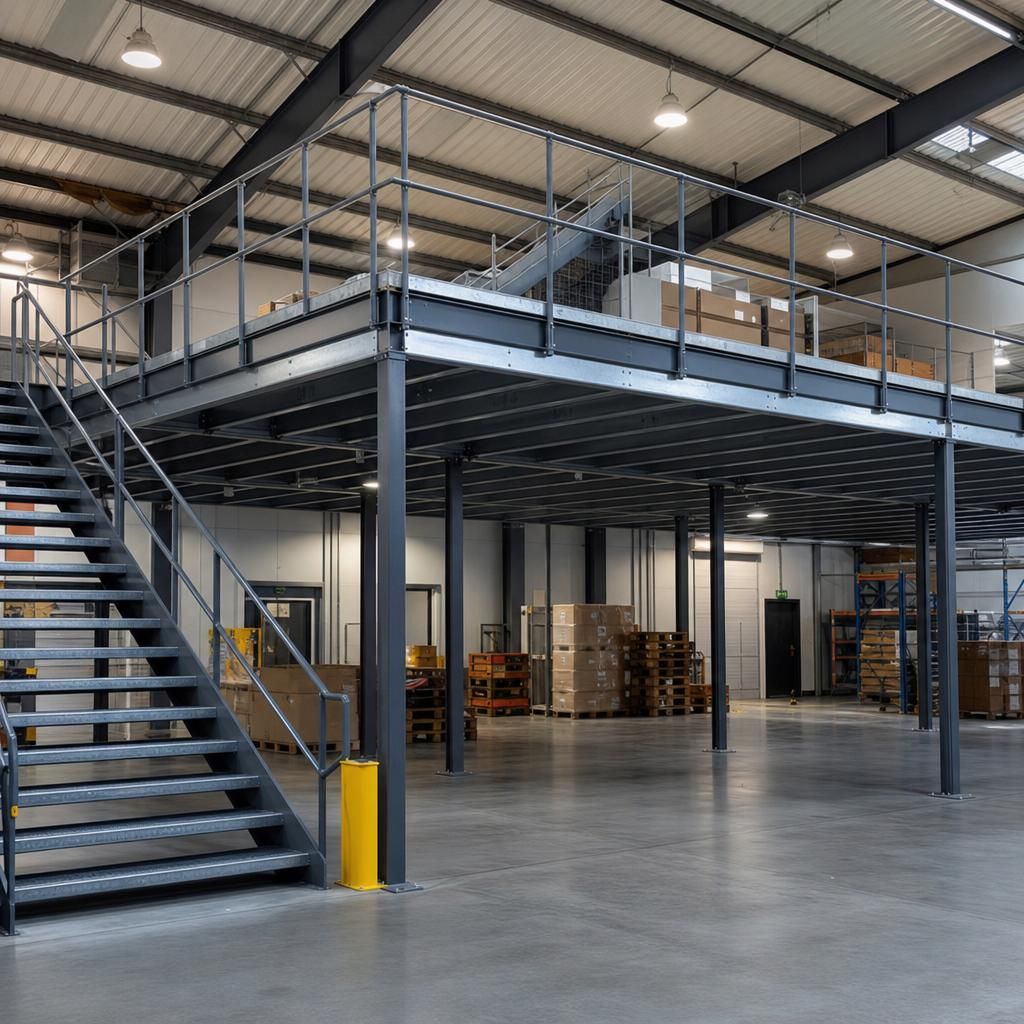
Industrial Durability
Built with industrial-grade materials, these structures are designed to withstand heavy usage, ensuring reliability under demanding conditions.
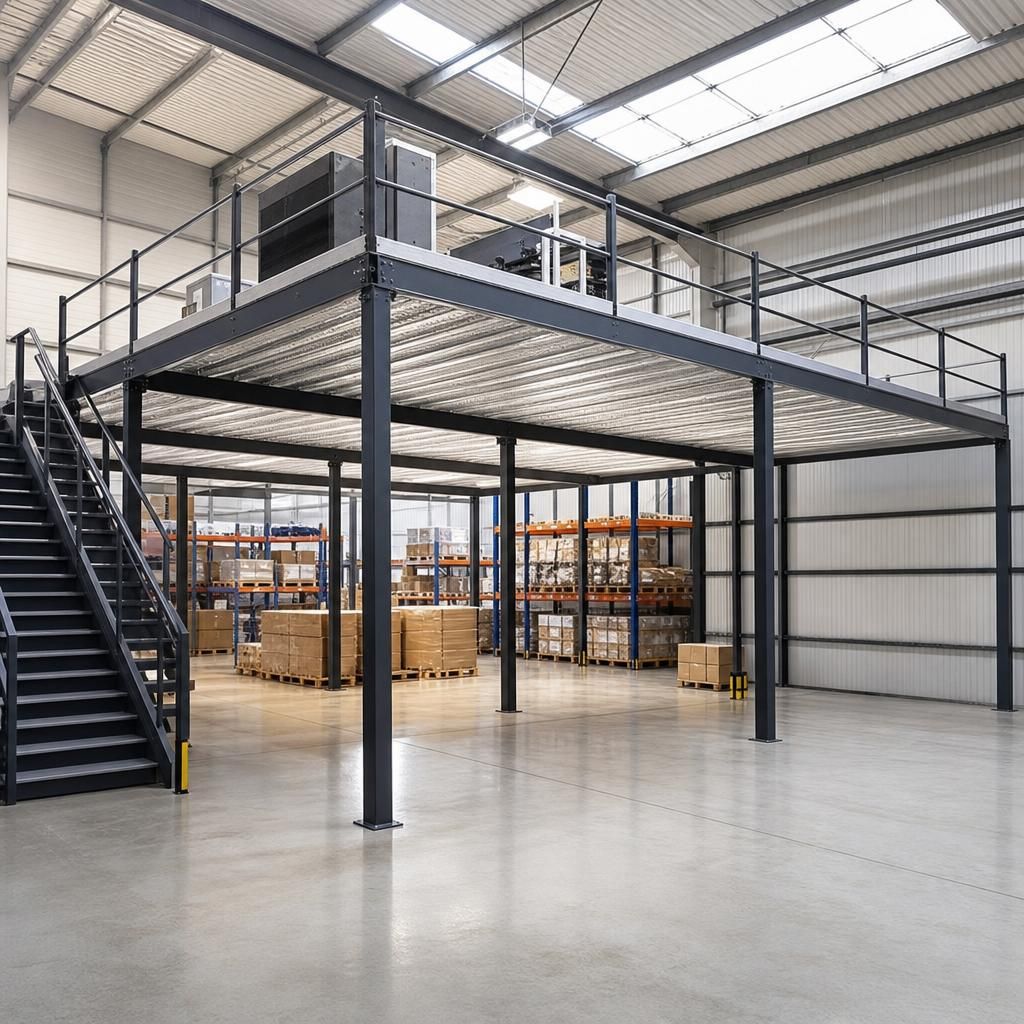
Adaptable Spaces
Mezzanines can transform underutilised vertical spaces into productive areas such as offices, storage zones, or meeting rooms, improving workflow and space management.
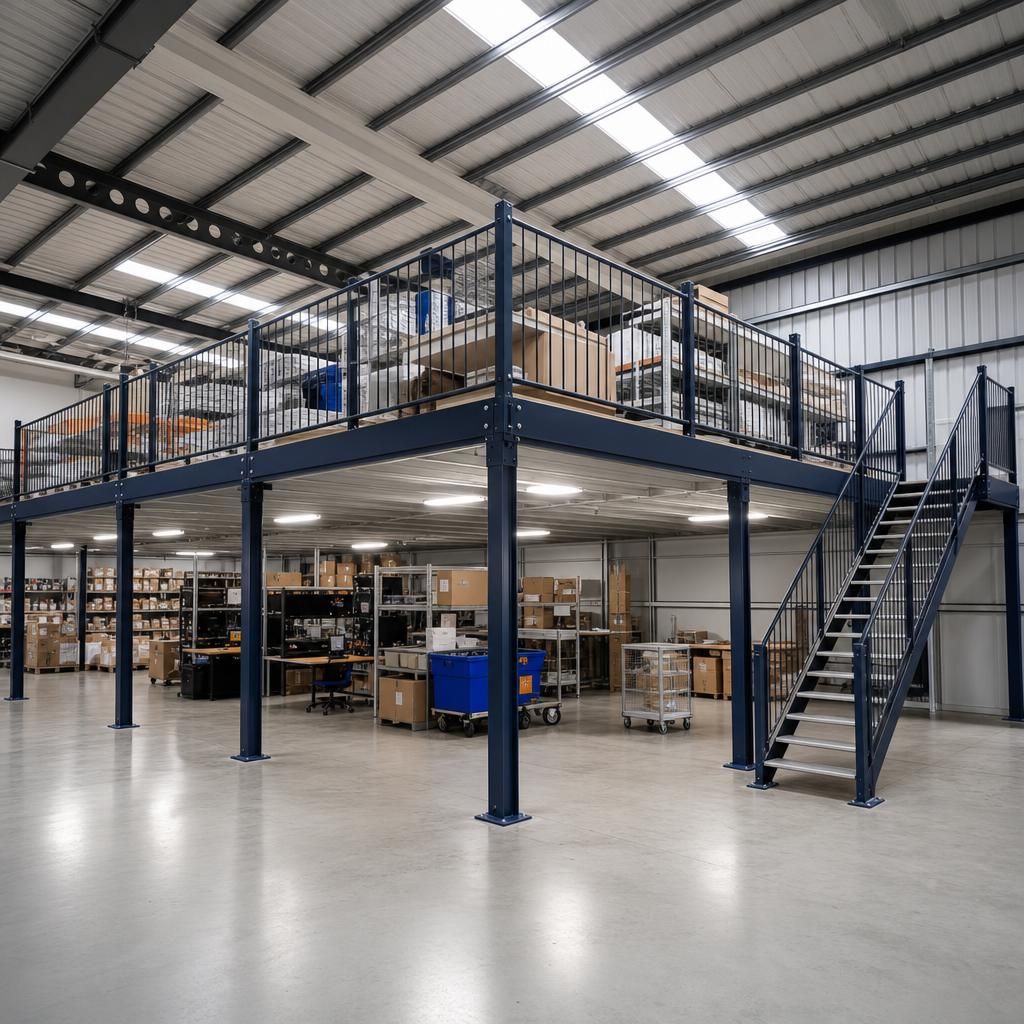
Cost-Effective Expansion
Rather than investing in new premises, adding a mezzanine is a cost-effective method to increase space, allowing businesses to scale operations within the existing footprint.
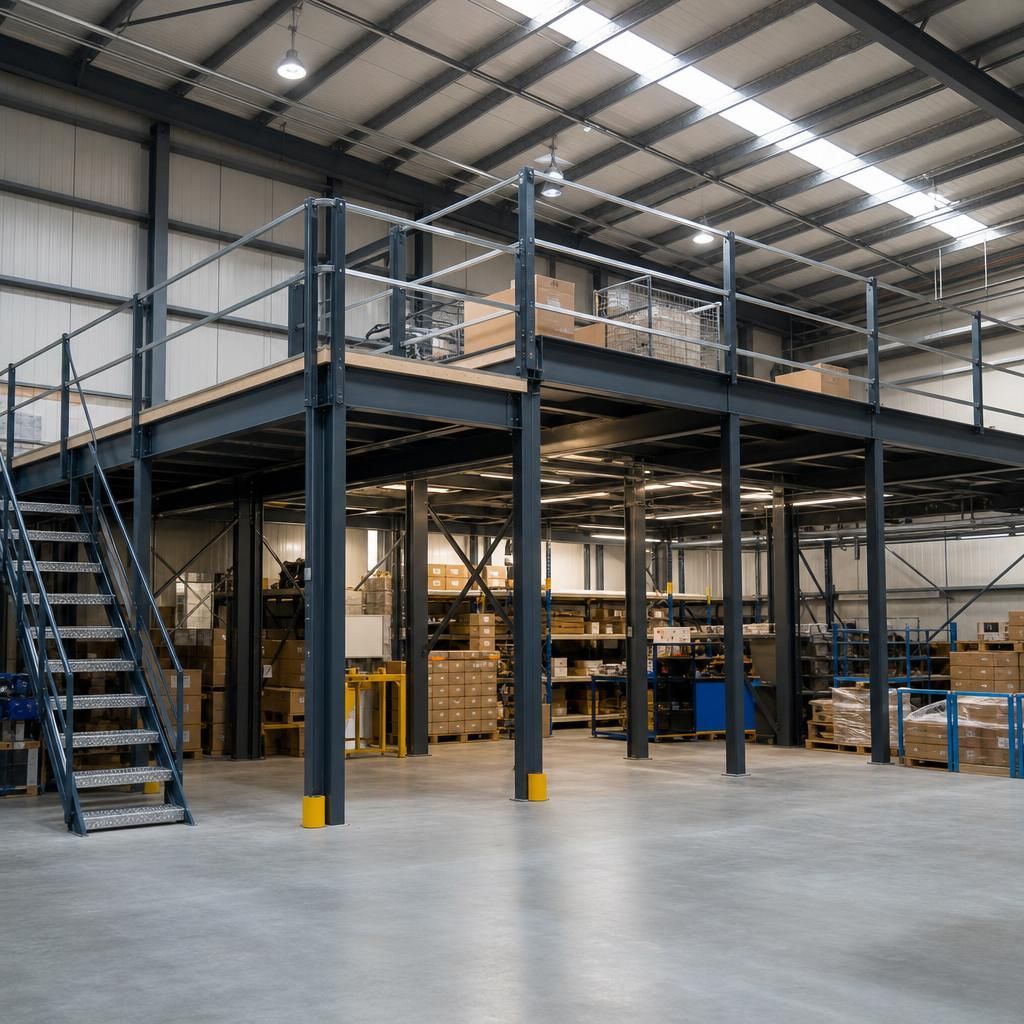
Customisable to Requirements
Tailored to fit specific warehouse layouts, freestanding mezzanines can be customised with various features like railings, stairs, and decking options to suit operational needs.
Common Questions About Temporary & Freestanding Mezzanines
Temporary and freestanding mezzanines are structural solutions that enhance floor space utility without necessitating permanent modifications to existing buildings. These self-supporting platforms are primarily constructed from robust materials such as steel or aluminium and can be reconfigured or relocated as operational demands shift, making them ideal for dynamic environments. Their self-contained design is advantageous for businesses seeking to optimise vertical space for storage, office expansion, or other purposes without interrupting ongoing operations.
When considering temporary and freestanding mezzanines, several factors should be weighed, such as load capacity, access options, and adherence to safety regulations. Unlike fixed mezzanines that require widespread planning and installation procedures, freestanding systems are generally quicker to deploy, allowing for reduced downtime and increased flexibility. Industries like manufacturing, retail, and logistics commonly utilise these mezzanines to address fluctuating space requirements efficiently, ensuring workflow is not hindered while accommodating growth or altering operational layouts.
What Are Temporary & Freestanding Mezzanines Made From?
Temporary and freestanding mezzanines are predominantly constructed using materials engineered for durability and strength under industrial conditions. Typical materials include steel and aluminium, chosen for their ability to withstand substantial loads while offering flexibility in design.
Material Composition and Benefits
Steel is commonly used for mezzanines due to its robust nature, providing excellent load-bearing capabilities and ensuring long-term stability. Aluminium, while lighter than steel, still offers considerable strength and is often used where a lighter structure is advantageous. Both materials enable the creation of custom designs tailored to meet specific operational requirements and are typically treated to resist corrosion, ensuring longevity.
How Do I Determine the Load Capacity for My Mezzanine?
Determining the load capacity is crucial to ensure the safety and functionality of a mezzanine floor. Load capacity refers to the maximum weight that the mezzanine can support at any one time, including the weight of the structure itself.
Assessing Load Requirements
To establish the appropriate load capacity, you should first determine the intended use of the mezzanine. Common uses include storage, office space, or operational areas, each with varied load requirements. A structural engineer or supplier can provide guidance, considering factors such as material strength, span, and support structure to calculate an optimal load capacity that complies with safety standards and ensures efficient use.
What Are the Safety Regulations for Temporary Mezzanines?
Safety regulations for temporary mezzanines aim to protect workers and maintain structural integrity, ensuring compliance with building codes and standards specific to temporary structures.
Key Safety Standards and Compliance
Regulations typically require mezzanines to adhere to safety standards such as providing adequate load capacity, fire safety measures, and safe access routes like stairs or guardrails. Compliance with The Building Regulations and relevant British Standards ensures that mezzanines are installed correctly and safely. Regular inspections and maintenance also form part of compliance, ensuring the structure remains secure and fit for purpose over time.
What Are the Typical Installation Processes for Freestanding Mezzanines?
The installation process for freestanding mezzanines involves several key stages, ensuring that the structure is safely and efficiently integrated into the existing facility with minimal disruption.
Installation Stages and Considerations
Installation begins with a comprehensive site survey to assess the space and specific requirements. This is followed by design and planning, wherein detailed plans are developed to suit operational needs. The actual installation involves assembling the structure, which typically involves prefabricated components to hasten the process. Skilled installers ensure all elements are securely interconnected and any safety features like guardrails are properly fitted. Completion involves final checks and compliance verification to ensure all safety standards are met.
Can Temporary Mezzanines Be Reused or Relocated?
The reusable and relocatable nature of temporary mezzanines is a significant advantage, offering flexibility and cost-efficiency for businesses that anticipate changes in spatial layout needs.
Relocation Process and Benefits
The design of temporary mezzanines allows them to be dismantled and reassembled, catering to the dynamic nature of business operations. This process typically involves carefully dismantling the structure, transporting it to a new location, and reinstallation. Such flexibility reduces the need for new materials and minimises costs associated with additional infrastructure changes, making it particularly beneficial for businesses that frequently adjust their operational setups or move to new premises.
Key Considerations for Freestanding Mezzanine Floors
Freestanding mezzanines are self-supporting structures used to optimise warehouse space without altering the existing building. These systems are ideal for companies requiring flexible expansion options, enabling quick installation, relocation, and dismantling as needed.
Key considerations include load capacity, access options, and compliance with safety standards. These mezzanines efficiently manage space demands in manufacturing, retail, and logistics industries by enhancing vertical space utilisation.
Expand Without Construction
Freestanding mezzanines provide space solutions without the need for permanent building changes.
Quick Installation
Enjoy reduced downtime with mezzanines that can be set up swiftly to meet evolving business needs.
Safety Compliance
Ensure all installations adhere to strict safety standards, maintaining a secure workplace.
Customisable Design
Adapt mezzanine structures to fit specific usage requirements and operational changes.
Optimise Vertical Space
Utilise unused vertical areas to increase storage or operational capability efficiently.
Flexible Use Cases
Perfect for temporary storage expansion or creating additional workspace flexibly.
Eco-Friendly Solutions
Reduce the environmental impact by minimising permanent changes to your building.
Support Business Growth
Scale operations efficiently by adding capacity without lengthy construction periods.
Explore Our Mezzanine Floor Specialisms
Our expertise in temporary and freestanding mezzanines spans multiple sectors, enhancing storage and workspace efficiency. We address differing needs by considering safety standards, material usage, load capacities, and access solutions, ensuring optimal space management.
Load Capacity Optimisation
Temporary mezzanines must consider proper load distribution and overall capacity to ensure safety and functionality. Load capacity plays a significant role in determining the type of materials used and the design approach, ensuring the structure is both efficient and compliant.
Material Selection Guidance
Choosing the right materials for temporary mezzanines affects their durability and ability to support heavy loads. Common options include steel for strength and aluminium for lightweight flexibility, each offering different benefits based on specific operational needs.
Versatile Access Solutions
Access options such as staircases, lifts, and ramps should accommodate the unique needs of the mezzanine users and their activities. Proper planning ensures access is not only convenient but also compliant with relevant safety standards, facilitating efficient operations.
Safety and Compliance
Adhering to established safety regulations is crucial in mezzanine construction and maintenance. This includes ensuring the stability of the mezzanine as well as providing appropriate safety barriers to protect personnel, maintaining a secure workspace.
Rapid Installation and Removal
Temporary and freestanding mezzanines can be quickly installed and dismantled, offering a flexible solution for businesses that require temporary additional space without significant disruptions to operations.
Customised Design Solutions
Tailoring mezzanines to specific business needs allows for optimised space usage and functionality. Factors such as workspace layout, equipment placement, and specific industry requirements influence the customisation process.
Durability and Efficiency
Robust temporary mezzanines made from high-quality materials ensure long-term use with minimal maintenance costs. Efficient design and material choice balance durability with easy relocation, supporting dynamic business environments.
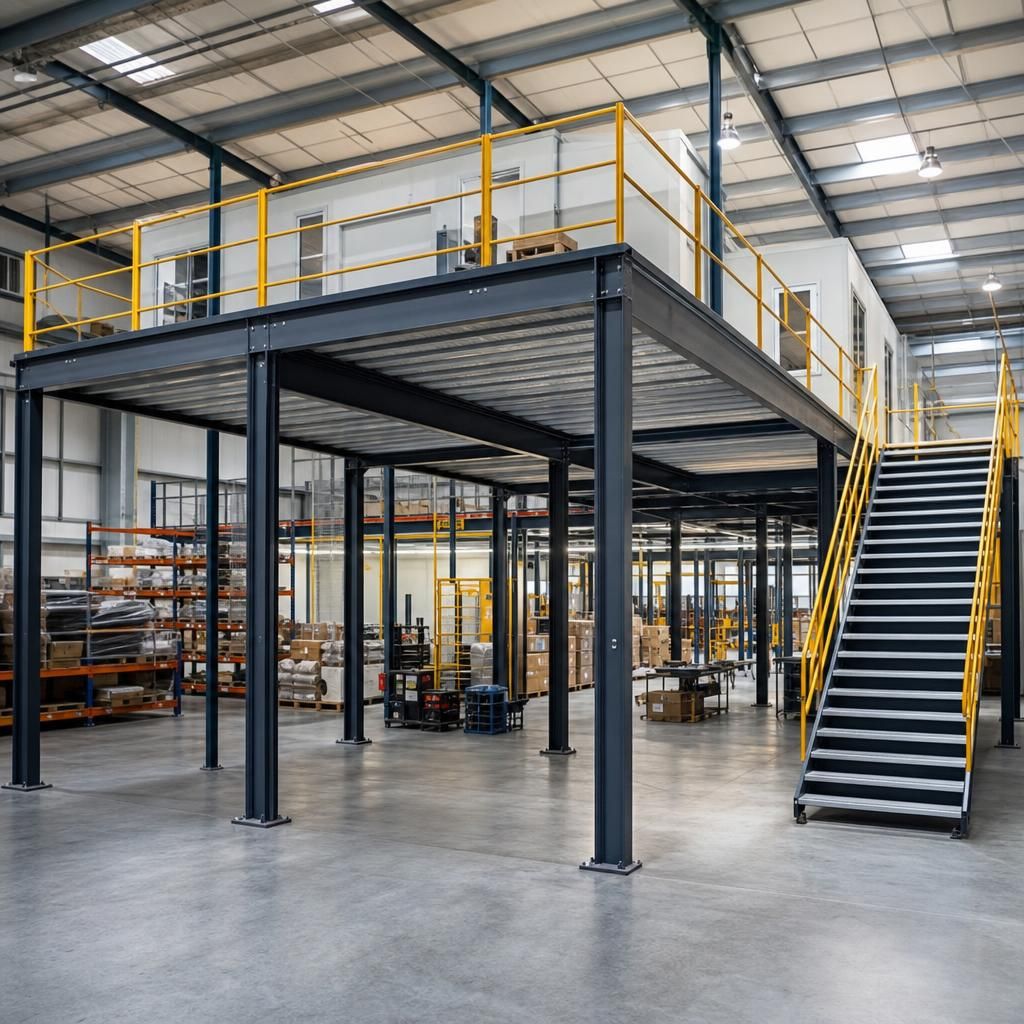
Dependable Mezzanine Solutions for Dynamic Spaces
Freestanding mezzanines provide an effective way to enhance the use of vertical space in warehouses without permanent structural changes. These systems are self-supporting, typically made from strong materials like steel, and can be easily assembled, disassembled, and relocated according to business needs. This flexibility makes them ideal for industries experiencing changes in space requirements, such as logistics, retail, and manufacturing.
Temporary mezzanines are well-suited for businesses requiring temporary expansion solutions. Unlike traditional mezzanines, freestanding options are quicker to implement and reduce operational downtime. Key considerations for choosing a mezzanine include load capacity, safety standards, and accessible design, which ensure compliance while maximizing the functional use of space.
In dynamic work environments, temporary and freestanding mezzanines are valuable for their adaptability and efficiency. They allow businesses to expand operational areas or storage capacity efficiently while keeping the existing workflow intact. Understanding the specific requirements and capabilities of these structures helps in making informed decisions about space optimization.
Reasons to Choose Us for Your Mezzanine Floor Solutions
Selecting Able Racking ensures expertise in designing and installing freestanding mezzanine solutions, prioritising structural integrity and compliance with safety standards. Our adaptable systems cater to fluctuating business needs, allowing efficient space utilisation and promoting operational efficiency.
Expert Design and Installation
Our team boasts extensive expertise in designing and installing mezzanine floors, ensuring each system is tailored to meet your specific requirements. We focus on creating robust and compliant structures that maximise your space efficiently.
Customised Solutions
Each mezzanine solution we provide is customised to match your operational needs, whether you require temporary expansion or long-term solutions. This adaptability makes our solutions highly valuable for dynamic business environments.
Quality Materials and Construction
We use high-grade materials like steel or aluminium in our mezzanine constructions, prioritising durability and stability. This ensures your mezzanine system remains structurally sound and safe over its lifespan.
Flexible and Quick Installation
Our temporary and freestanding mezzanines can be installed quickly with minimal disruption to your operations. This rapid deployment is ideal for businesses experiencing fluctuating space requirements or urgent space expansion needs.
Focus on Safety and Compliance
Safety is paramount in our mezzanine designs. We adhere to all relevant regulations and standards, ensuring your mezzanine is not just functional but also fully compliant with industry safety norms.
Adaptability to Change
Our mezzanine systems are designed to be reconfigurable and easy to relocate, making them perfect for businesses that anticipate changes in operational layout or space demands in the future.
Frequently Asked Questions about Freestanding Mezzanines
What are the benefits of choosing a freestanding mezzanine over a traditional mezzanine system?
Freestanding mezzanines are modular, self-supporting structures designed for additional storage or workspace. They offer flexibility, as they can be installed, reconfigured, or relocated without extensive structural changes.
How do freestanding mezzanines comply with safety regulations?
Freestanding mezzanines comply with safety regulations by adhering to load-bearing standards, incorporating secure access points, and using fire-resistant materials. Their design ensures stability and safety for personnel and stored items.
What materials are commonly used for constructing freestanding mezzanines?
Freestanding mezzanines are typically constructed from steel or aluminium due to their strength and durability. These materials ensure the mezzanines maintain structural integrity and support varying load capacities.
What are the typical uses of freestanding mezzanines in industrial settings?
Freestanding mezzanines in industrial settings are typically used for expanding storage space, creating additional office areas, or enhancing manufacturing workflows, offering flexibility without permanent building modifications.
How do temporary and freestanding mezzanines accommodate changing operational needs?
Temporary and freestanding mezzanines accommodate changing operational needs through easy installation, modification, and relocation, allowing businesses to adapt their workspace to evolving demands efficiently and cost-effectively.
Final Considerations for Selecting Flexible Mezzanine Solutions
What are the key factors to consider when planning the erection and removal of a temporary freestanding mezzanine floor?
A freestanding mezzanine is a self-supporting platform designed to increase warehouse space efficiency. These installations do not require permanent structural changes, allowing flexibility for changing operational needs.
How do temporary mezzanines comply with safety and structural standards?
Temporary mezzanines comply by using high-strength materials, robust design principles, and following UK building regulations to ensure structural integrity and user safety during use.
What are the installation options for temporary and freestanding mezzanines and how do they differ?
Temporary and freestanding mezzanines can be installed using modular components, allowing for rapid assembly and disassembly. These options differ by prioritising flexibility and minimal disruption to existing operations.
What are the long-term benefits of choosing a freestanding mezzanine compared to permanent structural changes?
Freestanding mezzanines offer adaptability to changing needs, reduce downtime with quick installation and relocation, and provide efficient space optimisation without major alterations, offering long-term value for businesses.
What is the process for customising a freestanding mezzanine to suit specific business needs?
We assess needs to design tailored mezzanines, considering space, load capacity, and use to ensure structural integrity, safety compliance, and functional efficiency, adapting to specific operational demands seamlessly.
Explore Tailored Mezzanine Solutions with Immediate Impact
Temporary and freestanding mezzanines are innovative structural solutions enabling the efficient utilisation of vertical space within warehouses. These systems offer flexibility by allowing rapid installation and dismantling without permanent alterations to existing structures. Industries such as logistics, retail, and manufacturing benefit from these adaptable platforms, particularly in dynamic environments where space demands fluctuate.
Unlike permanent mezzanine structures, freestanding mezzanines are self-supporting and can be reconfigured or relocated as needed. Constructed from durable materials like steel or aluminium, they ensure stability, adherence to safety regulations, and are scalable in line with operational changes. Key considerations when choosing a freestanding mezzanine include load capacity, access, and compliance with safety standards, which are critical to maintaining efficiency while supporting business growth.