
Warehouse Storage vs Mezzanines
Understanding the cost dynamics of warehouse storage versus mezzanines is crucial for making informed decisions on space optimisation. Warehouse storage often involves vertical utilisation through racking systems, whereas mezzanines offer additional floor space by creating intermediate levels. Evaluating these options involves considering their installation costs, scalability, and impact on operational flow to ensure efficient space management tailored to specific business needs.
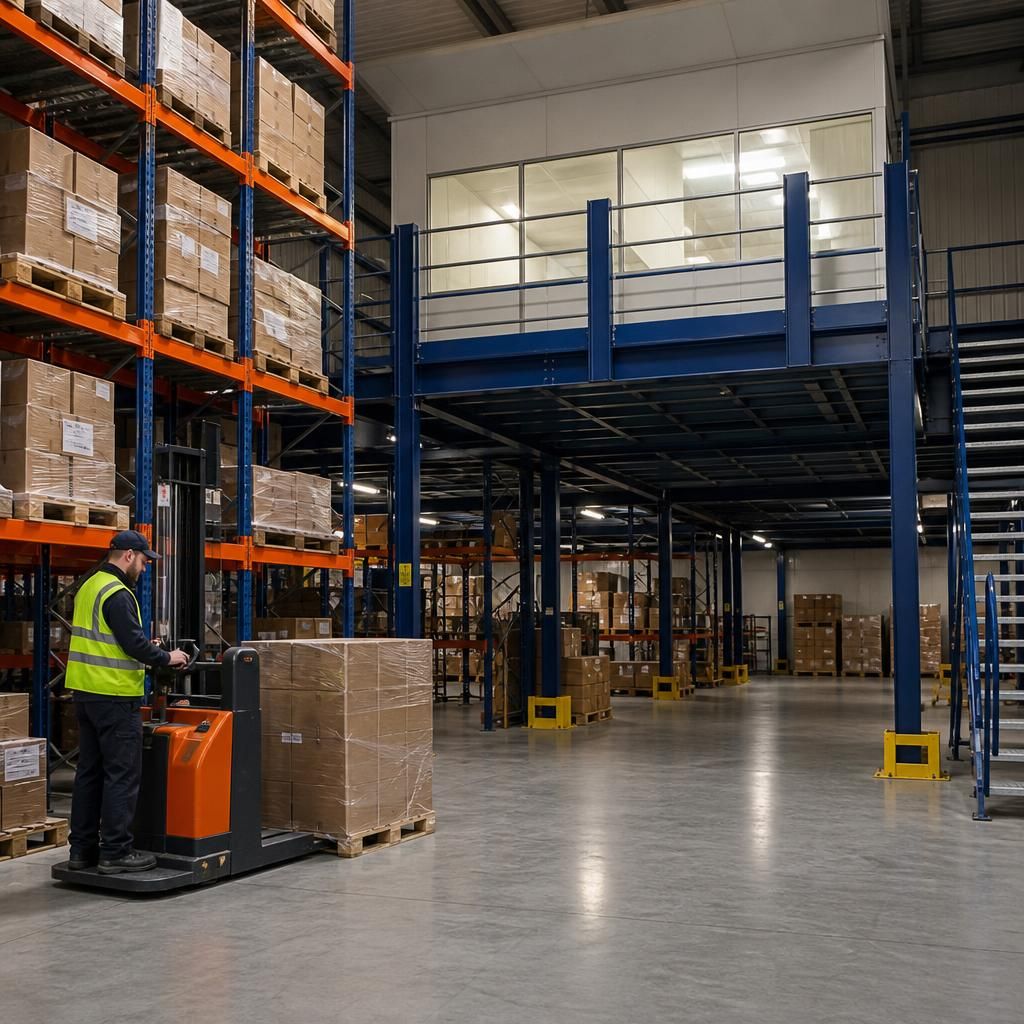
Visualising Warehouse Storage and Mezzanine Solutions
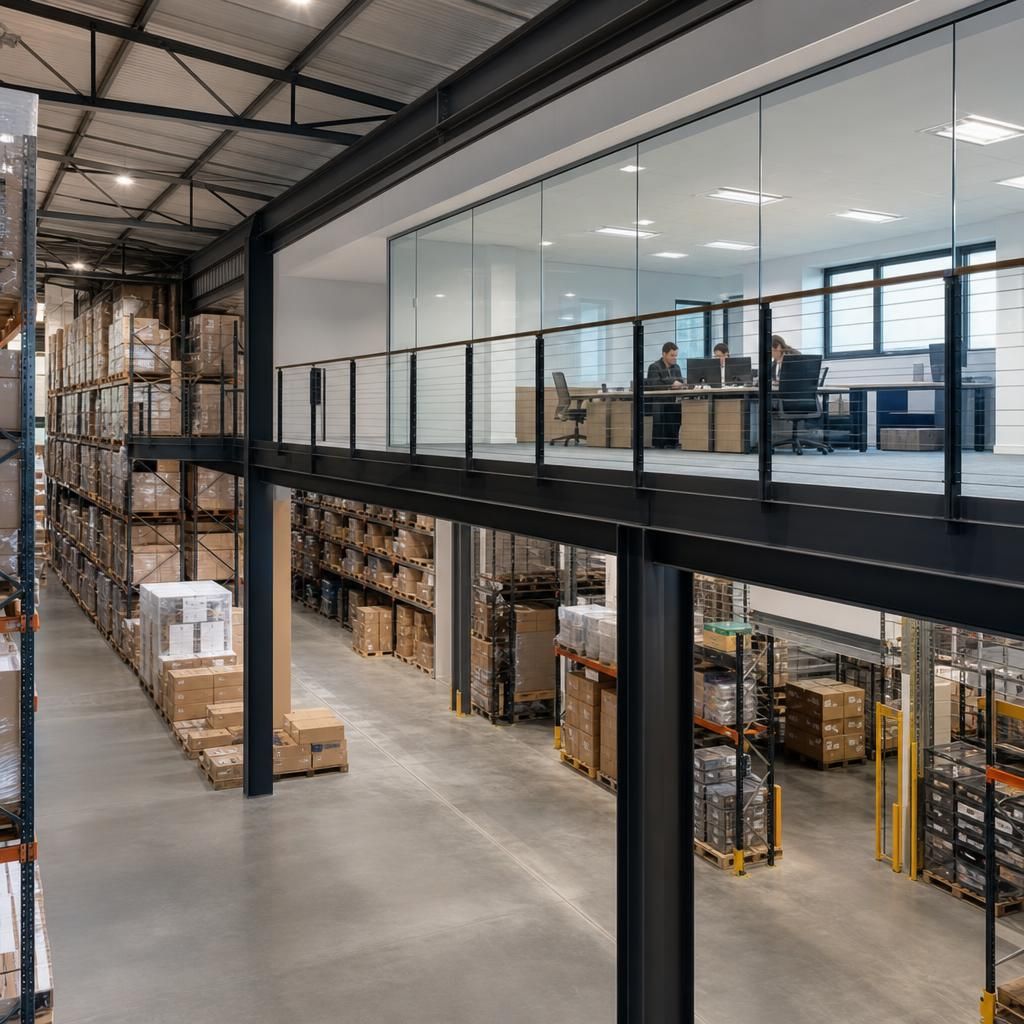
Maximising Vertical Storage
Warehouse racking systems effectively utilise vertical space, enhancing storage capacity without the need for additional floor area. They are adjustable to meet diverse inventory needs, offering flexibility.
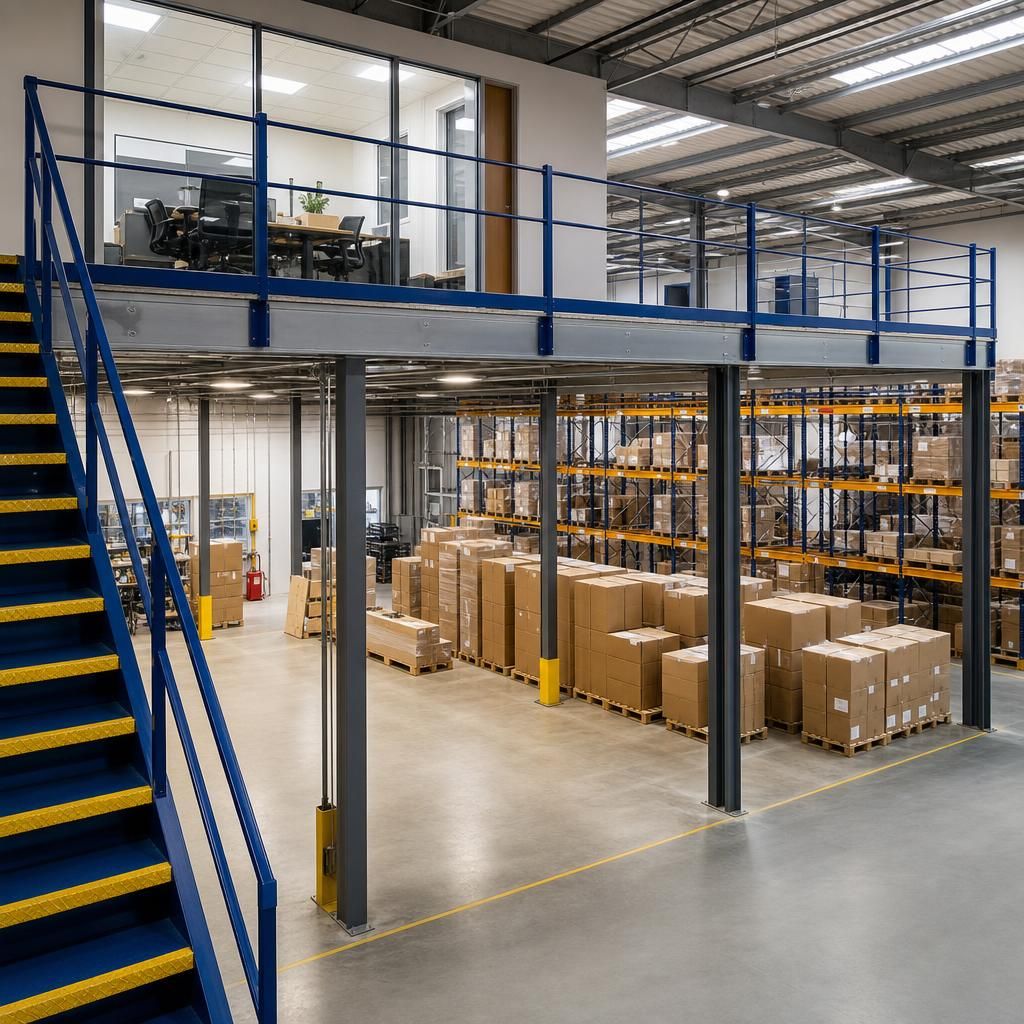
Expanding Usable Space
Mezzanine floors provide additional square footage by creating new levels within existing structures, suitable for various uses such as office spaces or additional work areas, helping avoid costly external expansion.
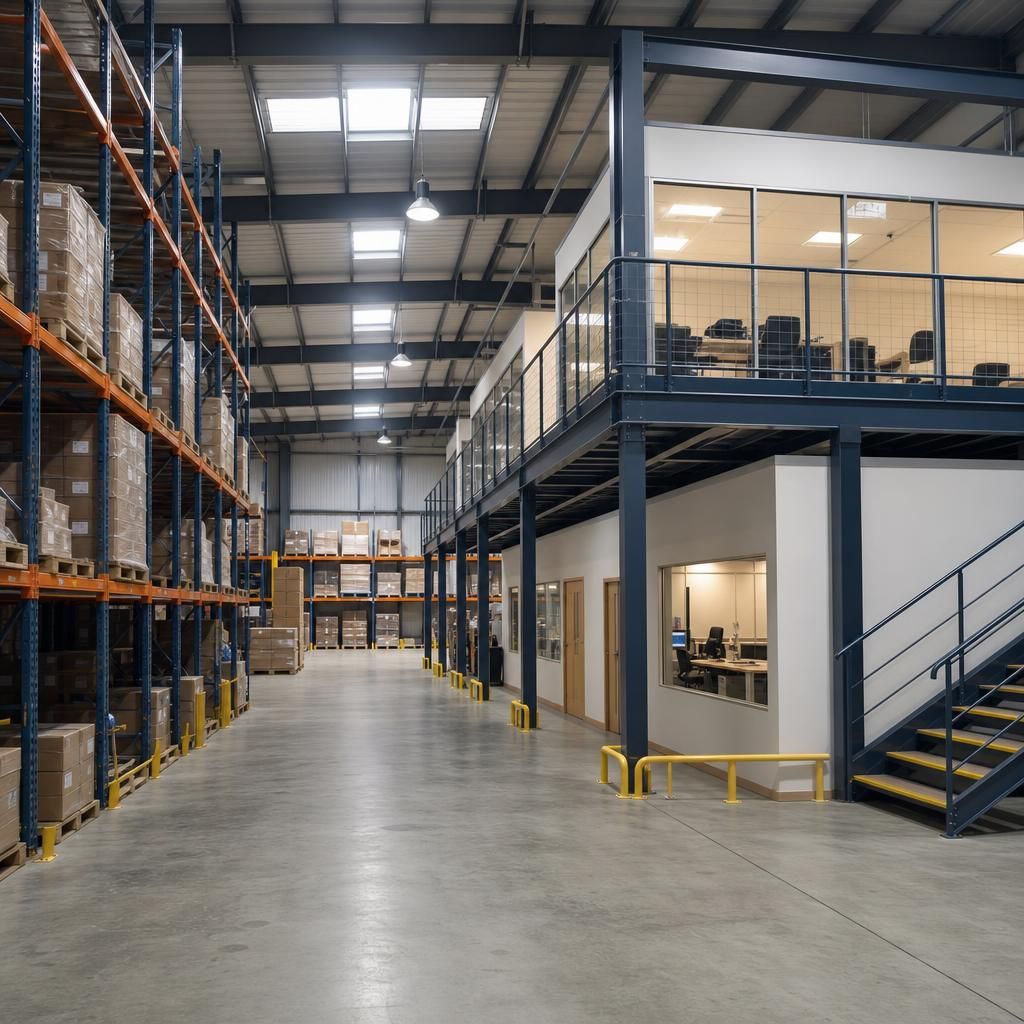
Efficient Installation Process
Warehouse racking systems generally require a straightforward installation process, ensuring quick setup and minimal disruption to warehouse activities. Their adaptability caters to evolving storage needs.
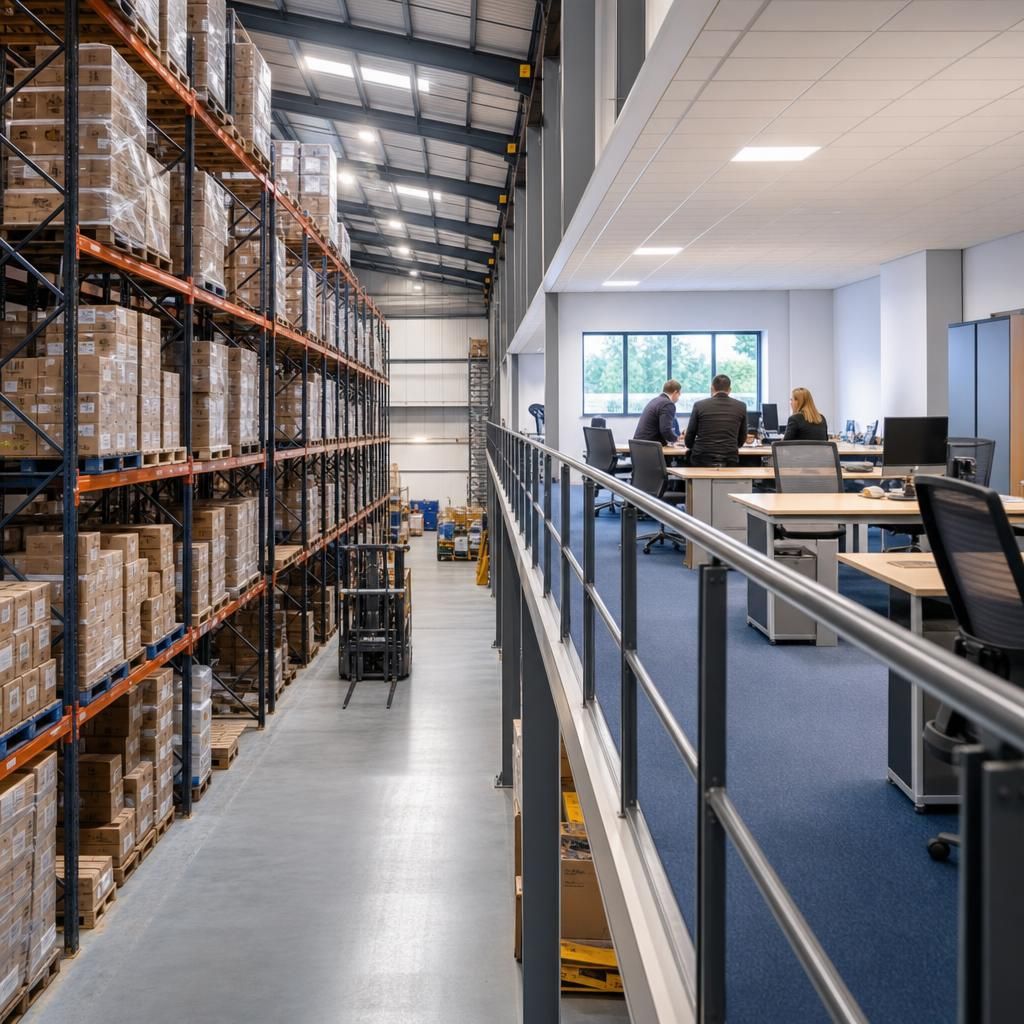
Optimising Warehouse Layout
By integrating mezzanine floors, businesses can significantly optimise their warehouse layout, turning unused overhead space into valuable sea level, which can be used for storage or operational purposes.
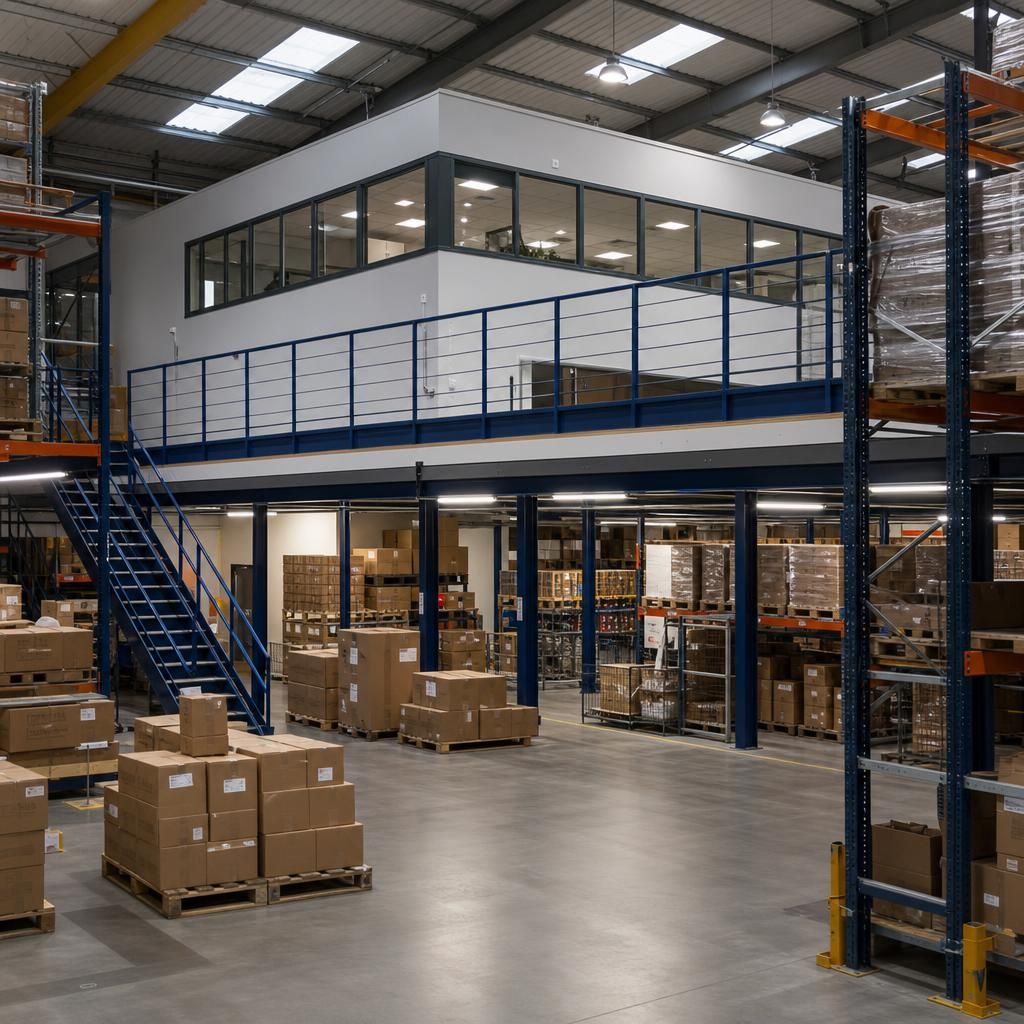
Ensuring Safety and Compliance
Warehouse racking systems must adhere to strict safety standards and undergo regular inspections to ensure compliance, safeguarding procedures and preventing potential accidents.
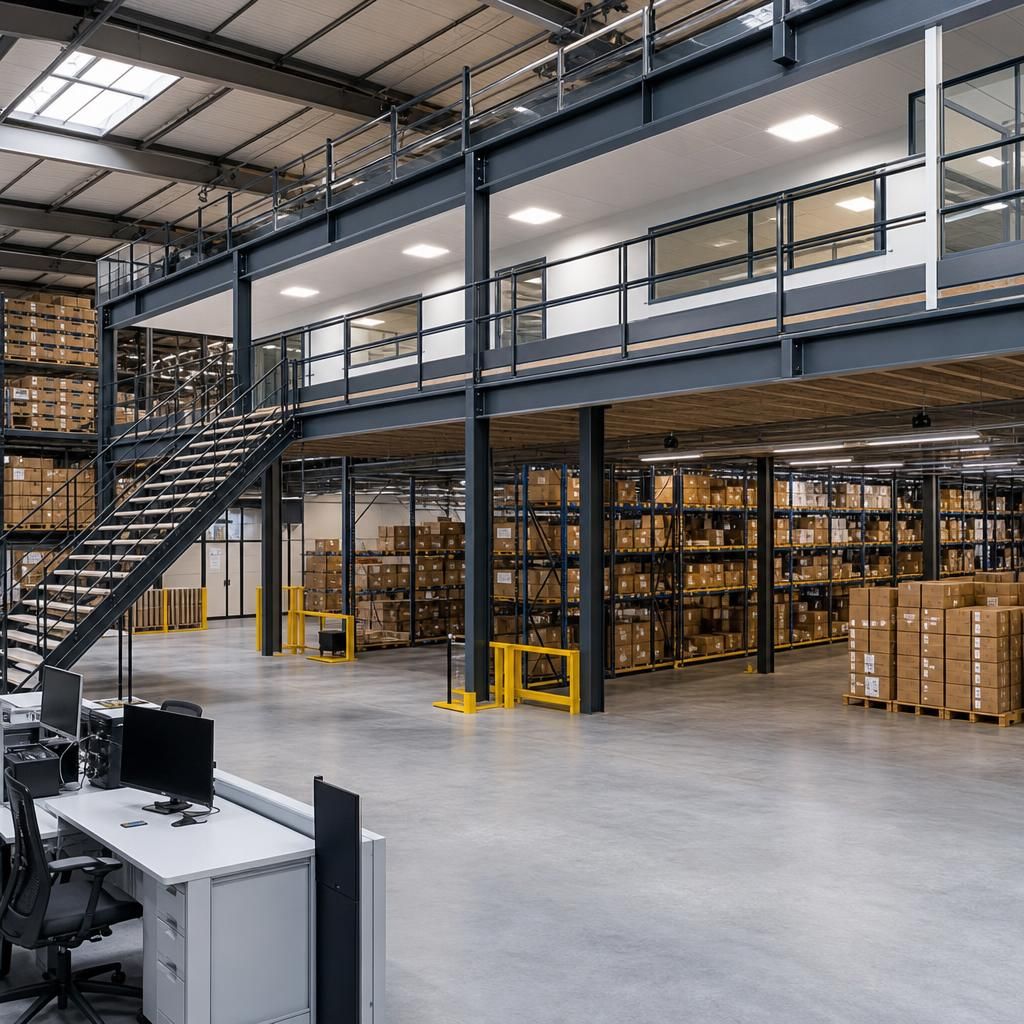
Cost-Benefit Analysis of Mezzanines
While mezzanines involve higher initial costs compared to racking systems, they offer a versatile solution for long-term space utilisation, which can ultimately outweigh the upfront expenses.
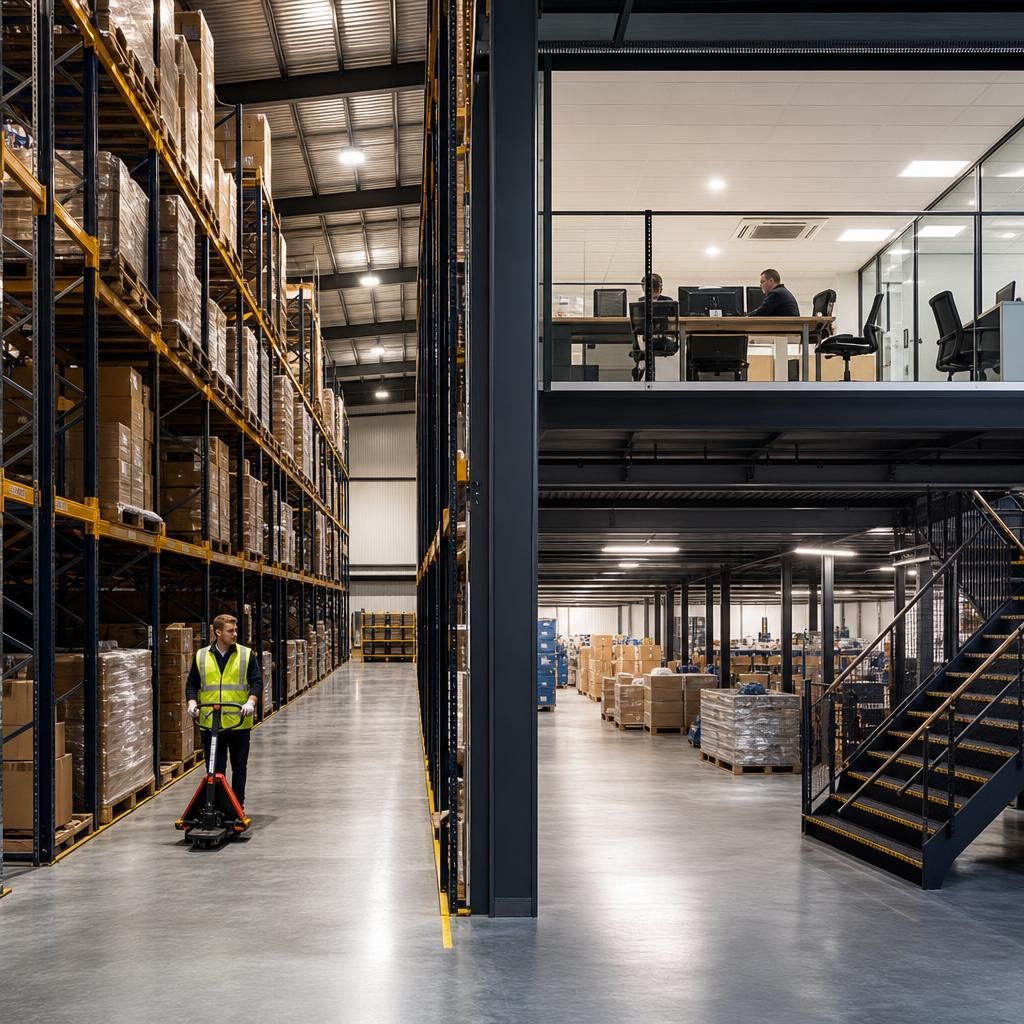
Enhancing Organisation
Racking systems facilitate efficient storage organisation, making it easier to track and access inventory, which can improve operational flow and increase productivity within a warehouse.
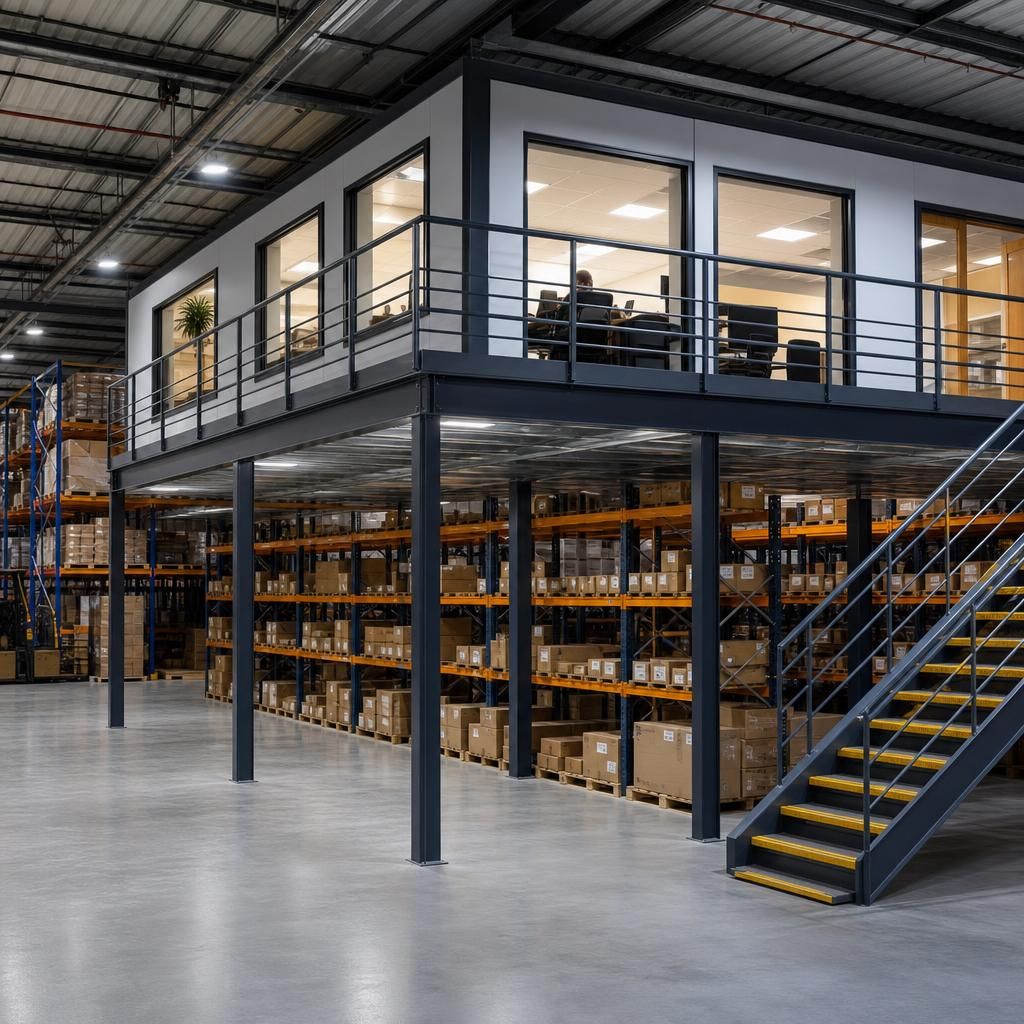
Supporting Business Growth
Mezzanines are suitable for companies expecting growth, providing room for expansion without necessitating relocation or extensive building modifications, thereby supporting business scalability.
Key Considerations for Warehouse Storage and Mezzanine Costs
Warehouse storage solutions and mezzanines each present distinct approaches to optimising existing space within industrial facilities. Warehouse storage often involves the utilisation of existing vertical space with warehouse racking systems. These systems are designed to maximise storage capacity by organising products efficiently, which can enhance the operational flow by making goods more accessible. In contrast, mezzanines are structures built within facilities to create additional floor levels, offering increased square footage for diverse uses such as additional storage, office spaces, or production areas without requiring building expansions.
When comparing warehouse racking with mezzanine installations, it’s important to consider the differences in their installation costs and scalability. Warehouse racking generally requires a lower initial investment and offers greater flexibility to adjust as inventory needs evolve. Conversely, mezzanines tend to have higher upfront costs due to structural and engineering considerations, yet offer the advantage of more flexible usage beyond storage, catering to various operational needs. Ultimately, the choice between warehouse storage and mezzanines should align with specific business requirements, future growth forecasts, and the level of investment readiness.
Installation Costs for Warehouse Racking vs Mezzanines
Understanding the installation costs of warehouse racking and mezzanines is vital for budget planning and decision-making. These two solutions vary greatly in initial investment requirements and long-term financial impact.
Installation Cost Breakdown for Racking and Mezzanines
Warehouse racking systems typically require lower initial expenses due to their straightforward design and minimal structural modification needs. The cost involves purchasing the racking materials and installation labour. On the other hand, mezzanines demand a higher upfront financial commitment due to their complexity and structural integration. These costs include engineering assessments, material investments, and compliance with building regulations.
Scalability and Adaptability of Warehouse Racking and Mezzanines
Scalability is a significant factor when choosing between warehouse racking and mezzanines. Each option offers different levels of adaptability to meet the changing needs of a business.
How Racking and Mezzanines Adapt to Business Growth
Warehouse racking offers superb flexibility, allowing for easy adjustments and reconfigurations as inventory volumes change. These systems provide the ability to expand vertically without disruptions. In contrast, mezzanines, while offering additional floor space for various uses, require more substantial alterations for expansion once installed, potentially involving further financial and structural considerations.
Operational Impact of Warehouse Racking vs Mezzanines
The choice between warehouse racking and mezzanines influences daily operations. It’s essential to consider how each impacts workflow and productivity in a warehouse environment.
Enhancing Operational Flow with Racking and Mezzanines
Warehouse racking systems enhance operational flow by organising products systematically, reducing the time taken to retrieve goods and improving accessibility. Mezzanines, by increasing floor space, can alleviate congestion, creating dedicated areas for varied operational activities. However, they may initially disrupt operations during installation due to structural changes needed, unlike the more straightforward process for racking.
Safety and Compliance with Warehouse Racking and Mezzanines
Safety and compliance are crucial when implementing warehouse racking or mezzanines. Both require adherence to specific standards to ensure a safe working environment.
Maintaining Safety Standards for Racking and Mezzanines
Warehouse racking demands regular inspections to ensure structural integrity and safety compliance. Proper load management and routine maintenance are necessary to prevent accidents. Mezzanines require adherence to fire safety regulations, structural load limits, and potential installation of safety barriers. Both systems must comply with industry standards and local regulations to guarantee the safety of personnel and assets.
Long-term Maintenance of Warehouse Racking and Mezzanines
Considering the long-term maintenance of warehouse racking and mezzanines is important for sustaining their functionality and safety over time.
Comparing Maintenance Needs of Racking and Mezzanines
Warehouse racking systems require consistent maintenance checks to assess wear and tear, replace damaged components, and ensure load management practices are followed. Mezzanines, while enduring minimal daily wear, may require periodic inspections and upkeep for flooring, structures, and safety features to ensure continued compliance with safety standards.
Understanding the Cost Differences in Warehouse Storage vs Mezzanines
Understanding the trade-offs between warehouse storage costs and mezzanine expenses is vital for effective space management. Warehouse racking optimises vertical storage, reducing initial outlays and ensuring quick adaptability. However, mezzanines extend usable floor space, offering diverse benefits albeit at a higher initial cost.
When choosing between racking and mezzanines, consider installation expenses and versatility. Warehouse racking is budget-friendly and adjustable to shifting inventory, while mezzanines provide multifunctional space for various operational demands. Selecting the right option demands evaluating these factors alongside business-specific needs and growth projections.
Cost-Effectiveness of Racking
Warehouse racking optimises vertical space at a lower initial investment, adapting easily to changing inventory needs.
Scalability of Warehouse Racking
Racking systems offer flexibility, allowing for easy adjustments and scalability as storage needs evolve.
Versatility of Mezzanines
Mezzanines provide multifunctional spaces, supporting diverse uses beyond storage, including offices and production areas.
Complexity of Mezzanine Installation
Building mezzanines involves structural and engineering considerations, resulting in higher upfront costs but offering greater space flexibility.
Space Optimisation Approaches
Racking focuses on vertical storage to maximise capacity, while mezzanines expand floor space to support varied operational needs.
Time Efficiency of Racking
Racking systems facilitate quick access to goods, enhancing operational flow and reducing retrieval times.
Customisation Options
Both racking and mezzanines can be tailored to meet specific business needs, though they cater to different usage dynamics.
Safety Considerations
Proper inspection and maintenance of racking ensure safety, complying with industry standards and prolonging system lifespan.
Specialisms in Warehouse Storage and Mezzanines
Identify key specialisms in warehouse racking and mezzanine implementations to align with your operational requirements. Understand distinct benefits across varied industrial contexts for effective space utilisation. Explore how solutions cater to specific storage and spatial demands efficiently.
Scalable Solutions
Warehouse racking systems provide scalable solutions for evolving inventory needs, allowing adjustments in layout to accommodate more products efficiently.
Tailored Installations
Mezzanines can be customised to specific requirements, offering additional floor space for diverse applications like office areas or increased storage.
Safety Inspections
Regular warehouse racking inspections ensure systems remain compliant with safety standards, preventing accidents and maintaining operational safety.
Cost-Effective Expansion
Mezzanines offer a cost-effective way to expand usable space within existing facilities, eliminating the need for external construction.
Optimised Performance
Through preventative care and maintenance, warehouse racking systems are optimised for longevity and efficient use of space.
Innovative Design
Advanced mezzanine designs incorporate flexible solutions that integrate seamlessly with existing structures, enhancing overall facility utility.
Efficient Storage
Warehouse racking enhances space efficiency by organising storage vertically, maximising product accessibility and operational flow.
Versatile Usage
Mezzanines allow for versatile space usage including storage, workstations, and even recreational areas, adapting to business needs.
Compliance Documentation
Proper documentation of racking systems and compliance checks ensure adherence to safety regulations and operational guidelines.
Making Informed Choices on Storage Solutions
When considering warehouse storage solutions, it’s essential to understand the fundamental differences between warehouse racking systems and mezzanine floors. Warehouse racking systems are designed to maximise vertical space, efficiently organising products for enhanced accessibility and operational flow. These systems often involve lower initial costs and offer scalability as inventory demands change.
Conversely, mezzanine floors introduce additional horizontal space within an existing facility, providing versatility for various uses, including storage and office space. While mezzanines generally require a larger initial investment due to structural adjustments, they can offer a significant return by enabling more flexible space usage across diverse operational needs.
Choosing between warehouse racking and mezzanines depends on specific business objectives, budget considerations, and anticipated future growth. Understanding these options helps in making informed decisions to optimise warehouse operations and ensure effective utilisation of available space.
Reasons to Choose Able Racking
Choosing Able Racking ensures expert warehouse racking inspections and maintenance, promoting safety and compliance. Our tailored solutions maximise storage efficiency, offering proactive care, skilled installations, and detailed safety audits for optimised warehouse operations nationwide.
Expert Warehouse Racking Solutions
Able Racking provides unparalleled expertise in warehouse racking solutions, ensuring that systems are installed and maintained for optimal performance and compliance. Our experienced team delivers comprehensive inspections and tailored maintenance strategies to enhance safety and operational efficiency.
Skilled Mezzanine Floor Installations
Our team excels in the design and installation of mezzanine floors, creating versatile additional space that maximises your facilities' usage. We focus on delivering solutions tailored to your operational needs, ensuring structural integrity and compliance with all relevant safety standards.
Comprehensive Safety Audits
We conduct detailed safety audits for warehouse racking systems to identify potential risks and prevent accidents. Our audits cover all aspects of racking safety and compliance, providing peace of mind and promoting a safer working environment for your staff.
Tailored Maintenance Strategies
Able Racking offers customised maintenance plans for both warehouse racking systems and mezzanine floors, designed to extend the lifespan of your installations and prevent costly repairs. Regular maintenance ensures that all systems remain functional and secure without unexpected disruptions.
Proactive Preventative Care
Our focus on proactive preventative care means we address potential issues before they escalate, keeping your storage systems running smoothly and efficiently. This approach reduces downtime, improves safety, and ensures your facilities operate at full capacity.
Customised Training and eLearning
We offer tailored training programmes and online learning opportunities to empower your team with the knowledge to manage and maintain your warehouse racking systems safely. Our courses are designed to fit your specific operational requirements, improving overall safety and efficiency.
Nationwide Service Coverage
Able Racking provides a nationwide service, catering to a broad range of industrial clients across the UK. Our commitment to quality and accessibility ensures that no matter where your facility is located, you have access to expert support and guidance.
Commitment to Quality and Compliance
Our dedication to maintaining the highest standards of quality and compliance is unmatched. We ensure that all installations and inspections adhere to the latest industry regulations, providing you with reliable systems that enhance safety and productivity.
Frequently Asked Questions about Warehouse Storage and Mezzanines
What are the key differences in the installation process between warehouse racking systems and mezzanine floors?
Warehouse racking involves the use of vertical storage systems designed to maximise the utilisation of space within a warehouse, enabling efficient organisation and accessibility of inventory for streamlined operations.
What are the cost implications of choosing warehouse racking systems over mezzanine floors?
Warehouse racking systems offer lower initial costs and flexible expansion, while mezzanine floors require higher upfront investment but provide versatile space options beyond storage, accommodating diverse business needs.
What are the maintenance considerations for warehouse racking systems compared to mezzanine floors?
Warehouse racking requires regular inspections for signs of damage, ensuring compliance and safety. Mezzanine floors demand structural assessments to uphold integrity, with both needing periodic maintenance to maximise lifespan.
How does the scalability of warehouse racking systems compare to mezzanine floors in adapting to changing storage requirements?
Warehouse racking systems offer greater scalability due to their modular design, allowing easy adjustment as inventory grows. Mezzanine floors, while providing additional space, are less adaptable to changing needs.
How do warehouse racking systems and mezzanine floors impact operational workflow and productivity?
Warehouse racking systems enhance workflow by improving product accessibility, while mezzanine floors increase operational space, allowing varied usage beyond storage, promoting flexibility in layout and department expansion.
Key Questions on Warehouse Storage vs Mezzanines
How do warehouse racking systems and mezzanine floors differ in terms of long-term maintenance requirements and costs?
Warehouse racking systems optimise vertical space through adjustable shelves, enhancing stock accessibility and inventory management efficiency. Mezzanines expand floor space, supporting additional operations but with higher structural cost implications.
What are the installation timelines for warehouse racking systems compared to mezzanine floors?
Warehouse racking systems typically have shorter installation timelines due to fewer structural modifications, compared to mezzanine floors which require more extensive engineering and construction work, leading to longer installation periods.
What are the differences in space optimisation between warehouse racking systems and mezzanine floors?
Warehouse racking systems enhance vertical storage flexibility, while mezzanine floors increase overall square footage, adapting existing spaces for diverse functions beyond storage, ensuring tailored utilisation aligned with business needs.
What factors should be considered when determining the cost-effectiveness of warehouse racking systems versus mezzanine floors?
Consider installation and operational adaptability, ongoing maintenance needs, and overall impact on workflow and productivity to assess cost-effectiveness between warehouse racking systems and mezzanine floors.
How do safety regulations differ for warehouse racking systems compared to mezzanine floors?
Warehouse racking systems focus on machinery safety and load capacity, whereas mezzanine floors must adhere to structural stability requirements. Each system must comply with specific health and safety regulations.