
Mezzanine Edge Protection Solutions
Mezzanine edge protection and gates are critical safety components designed to prevent falls and enhance safety on elevated platforms. These systems typically include guardrails, safety gates, and special pallet gates to ensure secure access to mezzanine areas. Selecting the appropriate protection involves evaluating load capacities, traffic flow, and compliance with safety regulations.
Transform Your Mezzanine Safety with Enhanced Edge Protection
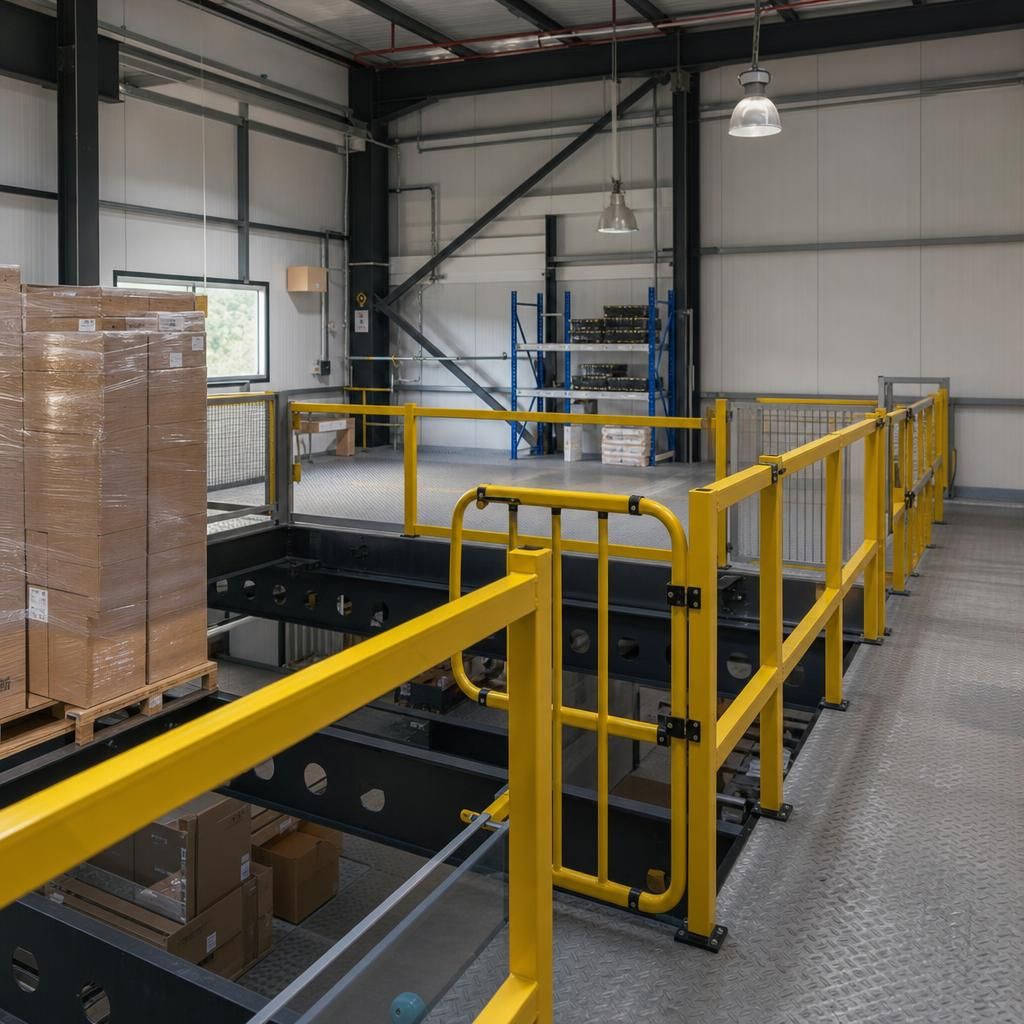
Before: Limited Guardrails
This mezzanine setup demonstrates the standard guardrails providing basic edge protection, which may be insufficient for high-traffic or heavy-load areas.
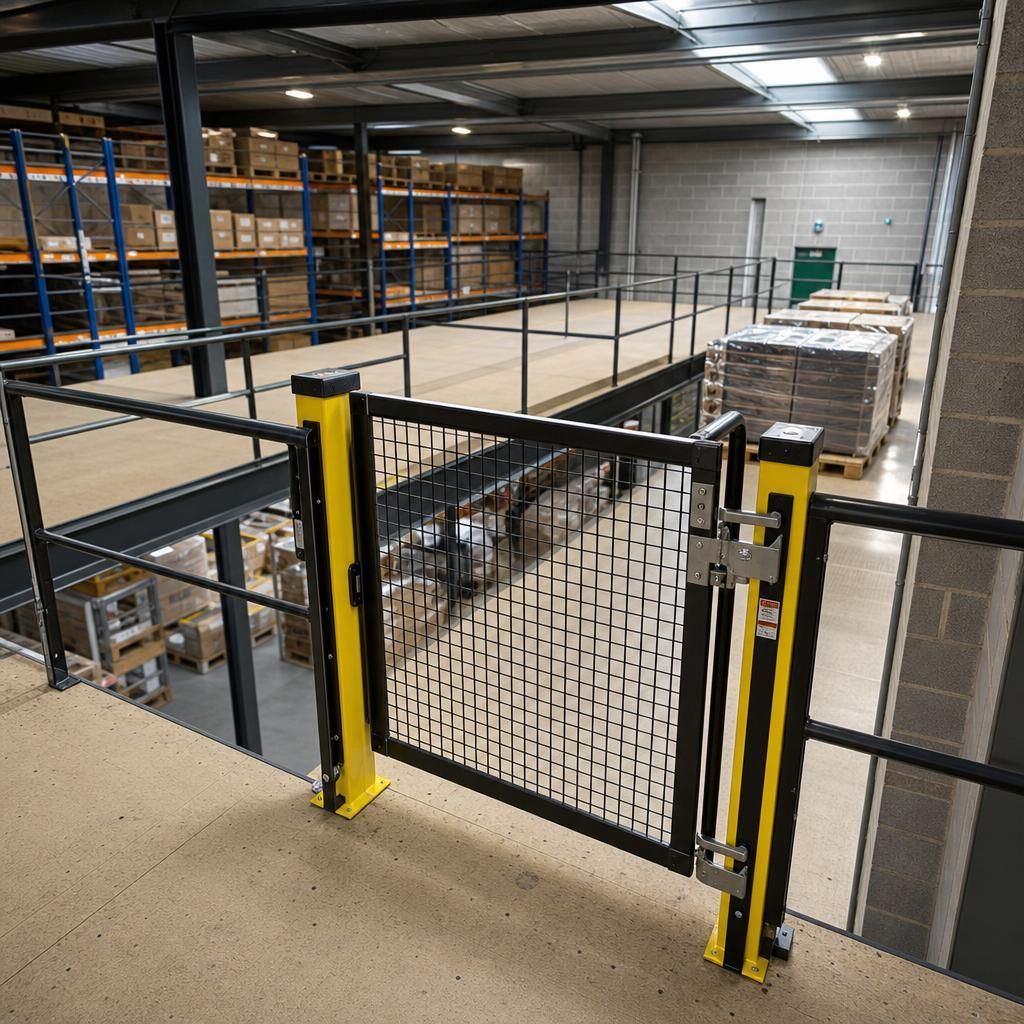
After: Comprehensive Edge Solution
Upgraded guardrails and customised gates enhance safety, providing secure access and maintaining compliance with safety regulations.
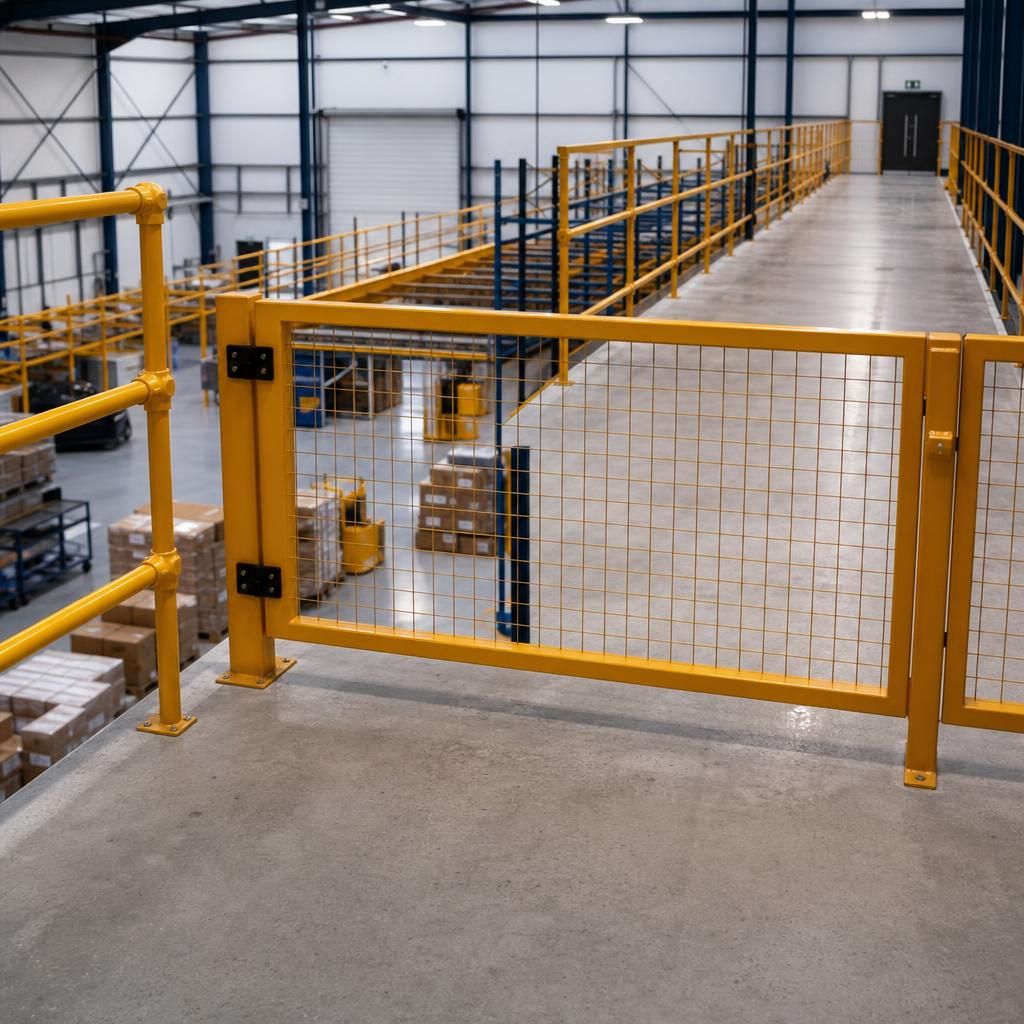
Before: Exposed Edges
Unprotected mezzanine edges present fall hazards, posing risks to workers and materials stored on elevated platforms.
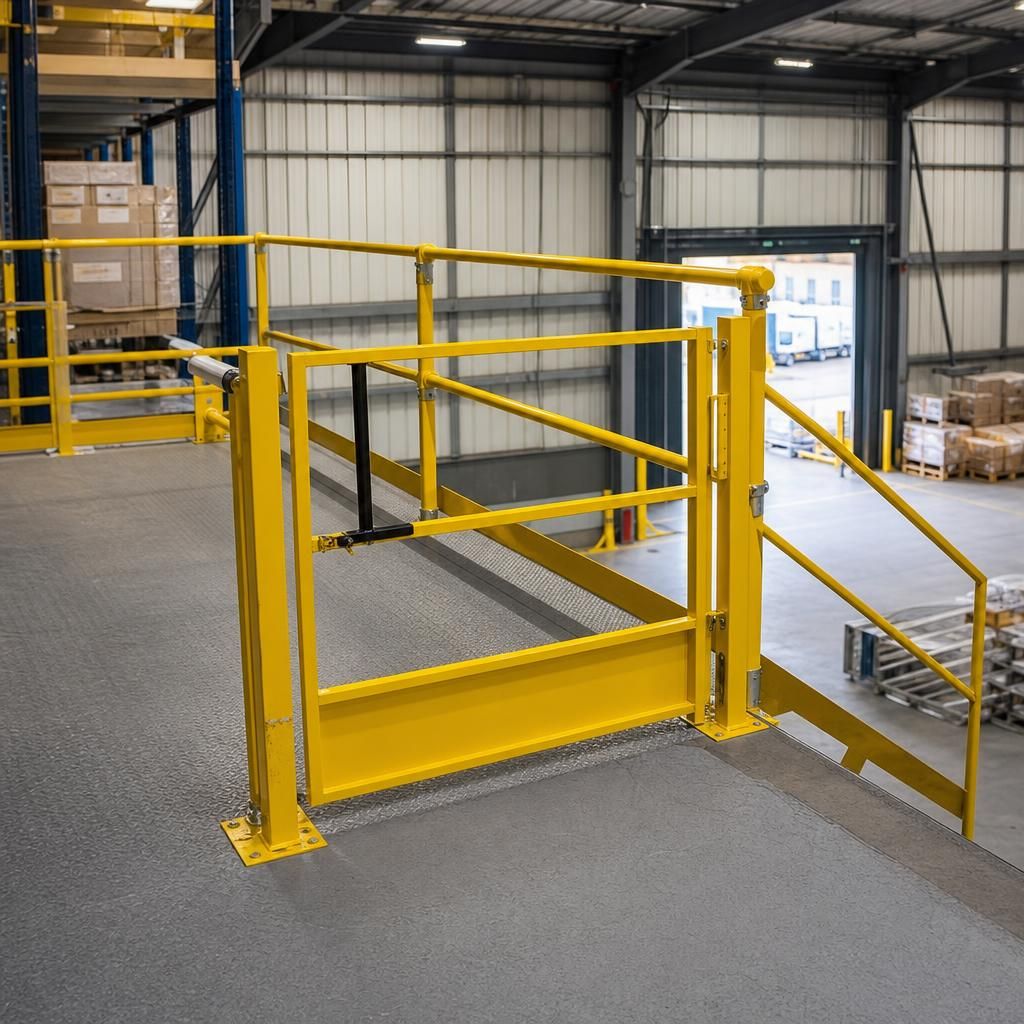
After: Full Edge Barrier Installation
Installation of robust edge barriers significantly reduces the risk of falls, ensuring safer navigation across the mezzanine.
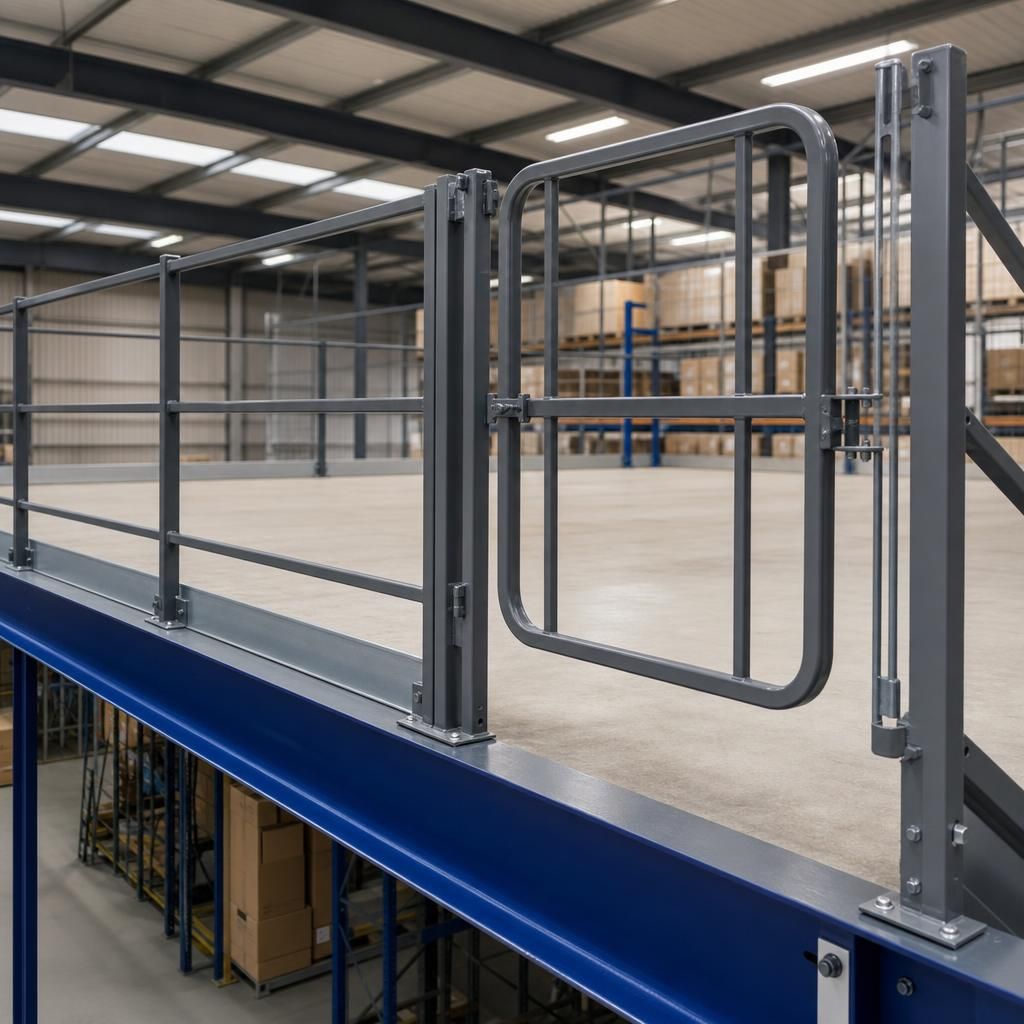
Before: Inefficient Access Points
Lack of pallet gates can complicate the movement of materials, leading to potential interruptions in workflow.
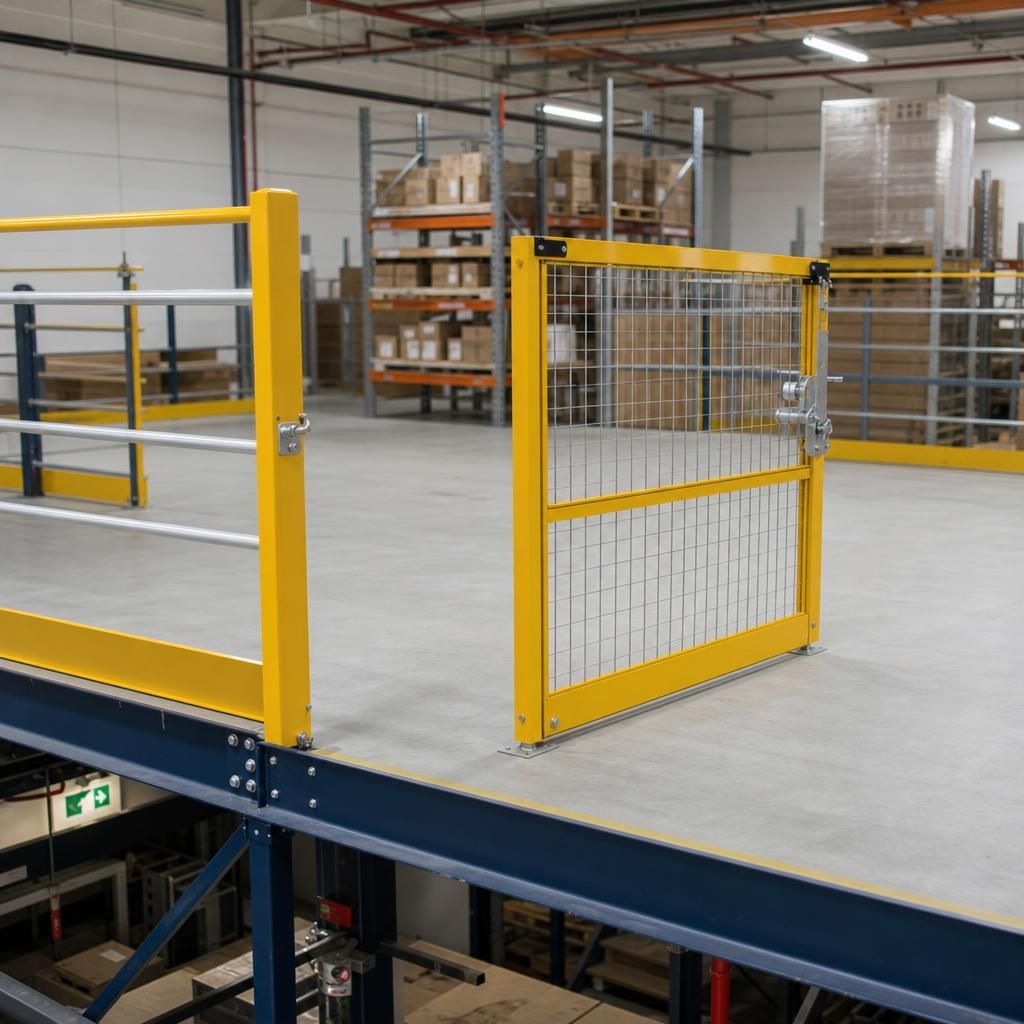
After: Secure Pallet Gate Integration
Integrated pallet gates facilitate safe and efficient material handling, improving operational flow and safeguarding personnel.
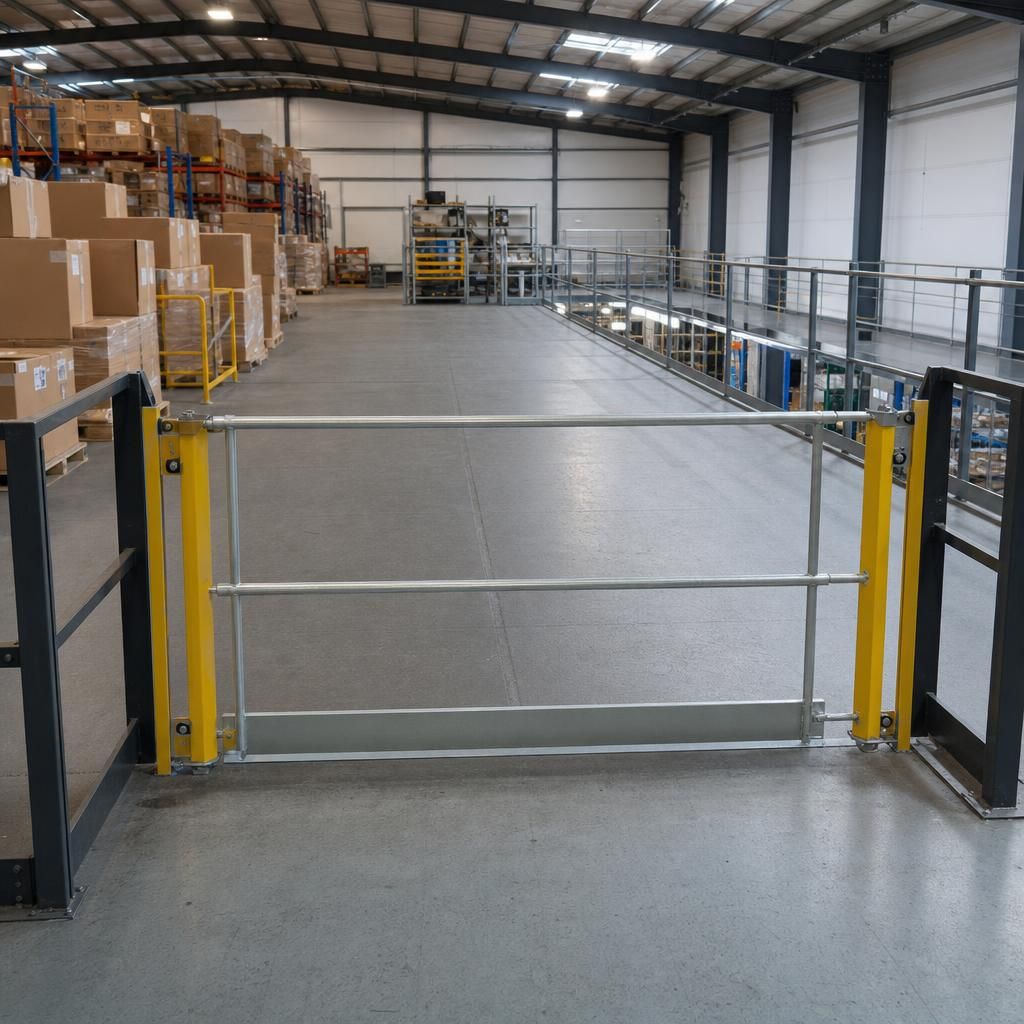
Before: Generic Safety Measures
Standard safety measures may not address specific requirements, leaving certain areas vulnerable to safety hazards.
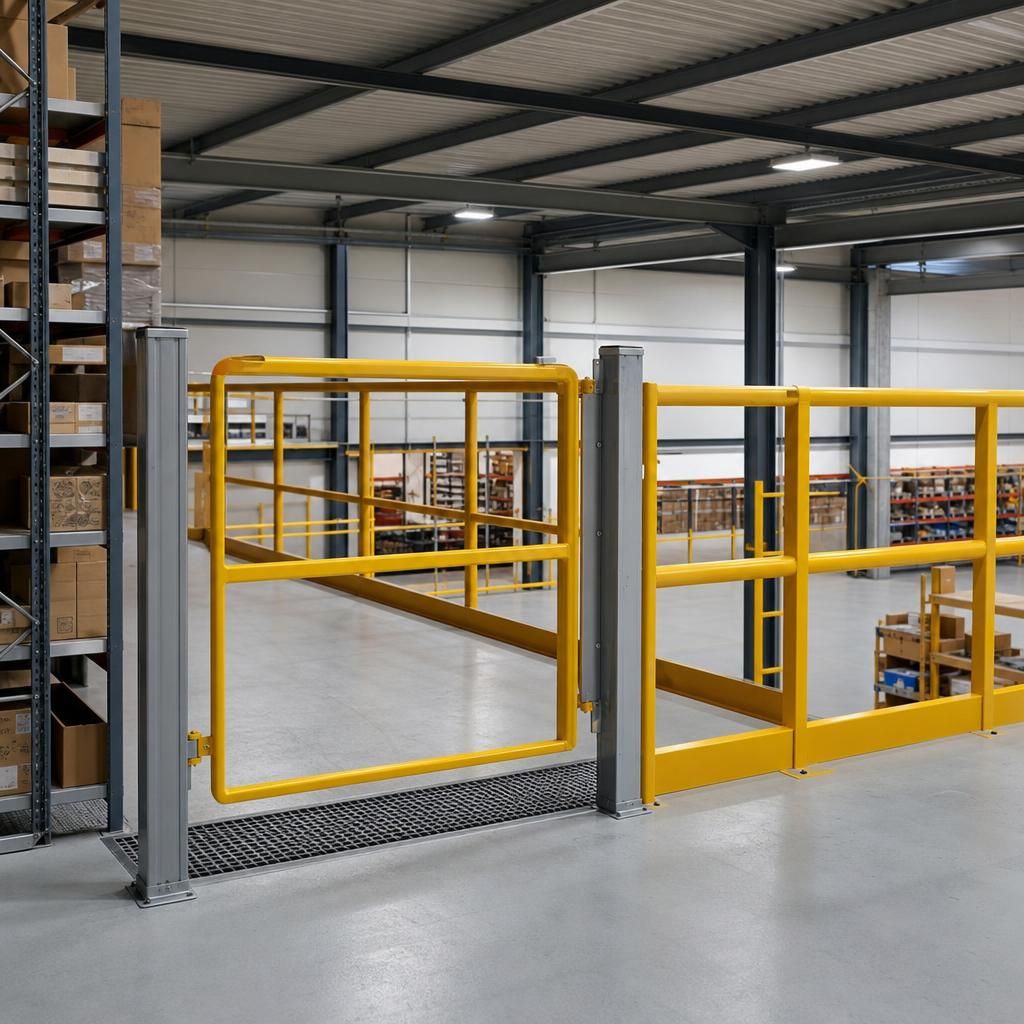
After: Tailored Safety Enhancements
Customised solutions address specific safety challenges, providing tailored enhancement to meet the unique demands of your facility.
Essential Considerations for Mezzanine Edge Protection Solutions
Mezzanine edge protection and gates are integral components for ensuring the safety and compliance of elevated platforms in industrial environments. These protective measures typically include guardrails, safety gates, and pallet gates, which play a vital role in preventing falls and facilitating safe access to mezzanine levels. When planning for mezzanine safety solutions, it is essential to evaluate the layout of your mezzanine, assess the load capacities, and understand the traffic flow to select the most effective edge protection system. By accounting for these considerations, you can enhance workplace safety and ensure compliance with relevant safety regulations.
Addressing concerns and considerations around mezzanine edge protection can significantly increase trust and confidence in the chosen safety solutions. It’s important to consider factors such as the durability and robustness of protection materials, the ease of installation and maintenance, and the adaptability to different mezzanine configurations. Understanding common concerns can help guide your decision-making process, ensuring the protection solutions not only meet legal safety requirements but also align with organisational safety goals. Making informed choices about edge protection is crucial for safeguarding personnel and maintaining smooth operational workflows.
Understanding Mezzanine Edge Protection Materials
Selecting the right materials for mezzanine edge protection is essential in ensuring longevity and effectiveness. Different materials offer various levels of durability and resistance to wear, which must be considered alongside their ability to meet regulatory safety standards.
Material Options and Their Properties
Common materials used for mezzanine edge protection include steel, aluminium, and high-strength composites. Steel is highly durable and provides excellent structural integrity but is heavier and more expensive than alternatives. Aluminium offers a good balance of strength and weight and is resistant to corrosion, making it suitable for environments where moisture is a concern. High-strength composites are lightweight and can be engineered to meet specific safety requirements, though they may come at a higher initial cost. Choosing the right material involves considering the environmental conditions, expected wear and tear, and budget constraints.
Important Safety Regulations and Compliance
Compliance with safety regulations is paramount when implementing mezzanine edge protection solutions. Understanding the necessary legal requirements helps to ensure your installation is both effective and lawful.
Key Standards for Mezzanine Safety
In the UK, mezzanine safety standards are governed by regulations such as the Workplace (Health, Safety and Welfare) Regulations 1992 and BS EN ISO 14122-3:2016. These guidelines dictate specifications for guardrail heights, load capacities, and the design of safety gates and access points. Ensuring compliance involves thorough knowledge of these standards and implementing edge protection solutions that meet or exceed these benchmarks. Regular audits and inspections are recommended to maintain compliance and address any potential safety hazards promptly.
Cost Considerations for Mezzanine Edge Protection
When planning mezzanine edge protection installations, budgeting is an important factor, impacting the selection of materials and systems. Understanding cost implications helps in making informed decisions.
Breaking Down the Costs of Implementation
The cost of mezzanine edge protection varies based on several factors, including the type and quality of materials used, the complexity of the installation, and the size of the area to be protected. While upfront costs might be significant, investing in high-quality materials and professional installation can reduce long-term maintenance expenses. Additionally, effective edge protection can mitigate risks of workplace accidents, potentially lowering insurance premiums and preventing costly legal liabilities. A detailed cost-benefit analysis is advisable to gauge the overall financial impact.
Installation and Maintenance Best Practices
Proper installation and regular maintenance are crucial for ensuring the ongoing effectiveness and safety of mezzanine edge protection systems. Adhering to best practices can prolong system lifespan and reliability.
Ensuring Optimal Performance Through Best Practices
For initial installations, working with experienced professionals ensures that mezzanine edge protection is fitted according to manufacturer specifications and safety standards. Routine inspections should be scheduled to identify any wear, damage, or potential safety hazards. Maintenance tasks might include tightening fittings, checking for corrosion, and replacing damaged components promptly to avoid compromising safety. Documenting maintenance activities and inspections helps track lifespan and performance, facilitating informed decision-making about updates or replacements.
Adapting to Changing Operational Needs
Industrial environments are dynamic, warranting mezzanine systems to evolve alongside operational changes. Flexible edge protection solutions accommodate these shifts without compromising safety.
Customisation and Scalability of Mezzanine Systems
As businesses grow, operational needs may shift, necessitating changes to existing mezzanine setups. Modern edge protection systems are designed with adaptability in mind, offering modular components that can be configured or reconfigured to suit new layouts or expanded capacity requirements. When planning installations, consider future scalability to ensure the systems remain aligned with evolving operational goals. Consulting with experts can provide insights into designing flexible protection solutions that cater to both current and anticipated needs.
Premium Mezzanine Safety Enhancements
Mezzanine edge protection encompasses systems designed to ensure safety on elevated platforms by preventing falls and accidents. These systems typically consist of guardrails, which provide a physical barrier along the edges of the mezzanine, and safety gates that secure access points and manage traffic flow effectively, maintaining compliance with safety regulations.
Prioritising edge protection solutions involves assessing the specific requirements of your mezzanine space, including load capacities and expected personnel traffic. Considerations such as the durability of materials and ease of installation are crucial for ensuring the effective integration of these safety components into your industrial setup.
Guardrails
Guardrails form the backbone of mezzanine edge protection, offering a physical barrier that prevents falls from elevated platforms.
Safety Gates
Safety gates enhance mezzanine safety by controlling access points and aiding in the secure movement of people and materials.
Pallet Gates
Pallet gates are designed to facilitate safe loading and unloading of goods, ensuring workflow efficiency while maintaining safety.
Custom Solutions
Our tailored edge protection solutions accommodate unique mezzanine configurations, ensuring personalised safety compliance.
Durable Materials
Using robust materials, our edge protection systems ensure long-term durability and effective safety in high-traffic areas.
Quick Installation
Efficient installation processes minimise downtime, allowing you to implement safety measures swiftly without disrupting operations.
Safety Compliance
Our solutions meet rigorous safety standards, providing peace of mind and regulatory compliance for your mezzanine areas.
Maintenance Plans
Regular maintenance plans are available to ensure edge protection systems remain functional and effective over time.
Safety Benefits
Enhance workplace safety by ensuring mezzanine edge protection and gates prevent accidents, promote compliance, and optimise operational efficiency.
Proven Safety Solutions for Mezzanine Edge Protection
Mezzanine edge protection systems are essential for ensuring the safety and structural integrity of elevated work platforms within industrial environments. These systems integrate guardrails, safety gates, and adjustable pallet gates, which function to prevent personnel falls and protect material handling processes. Selecting suitable edge protection involves considering the mezzanine’s design, anticipated load capacities, and the specific flow of traffic across the platform. Material durability and compatibility with existing mezzanine layouts are critical factors that influence the effectiveness of these safety systems. Implementing robust edge protection enhances operational safety and ensures compliance with industry regulations governing elevated workspaces.
Customer Questions About Mezzanine Edge Protection & Safety Gates
What are the different types of mezzanine safety gates and how do they function?
Mezzanine edge protection and gates prevent falls on raised platforms, ensuring safety. These systems, including guardrails and safety gates, comply with regulations and enhance mezzanine area accessibility and safety.
What are the safety regulations governing mezzanine edge protection and gates?
Safety regulations for mezzanine edge protection and gates mandate compliance with BS EN 14122-3 standards, ensuring robust guardrails and secure gates to prevent falls and enhance workplace safety on elevated platforms.
What materials are commonly used for mezzanine edge protection systems, and how do they affect durability?
Common materials for mezzanine edge protection include steel, aluminium, and durable polymers. These materials enhance durability and ensure compliance, providing robust barriers and secure access points for elevated platforms.
What factors should be considered when installing mezzanine floor safety gates?
Consider load capacity, traffic flow, and regulation compliance when installing mezzanine floor safety gates. Ensure durability and compatibility with existing structures for effective access and accident prevention.
What maintenance is required for mezzanine edge protection systems to ensure continued safety compliance?
Regular inspections and cleaning are vital for mezzanine edge protection systems to remain compliant. Check for wear and damage, tighten loose fittings, and ensure all components function efficiently for safety.
Secure Your Mezzanine with Expert Edge Protection Solutions
Ensure optimal safety for your mezzanine floors with expertly designed edge protection and gates. These systems support secure operations by preventing falls and controlling access. Contact us today to discuss your specific mezzanine safety requirements.
Common Questions About Mezzanine Edge Protection and Gates
What materials are typically used for mezzanine edge protection and gates in industrial settings?
Mezzanine edge protection, including safety gates, guardrails, and pallet gates, prevents falls and ensures compliance. Evaluate load limits, traffic patterns, and material durability for effective implementation in various configurations.
How do mezzanine floor safety gates contribute to operational efficiency and safety compliance?
Mezzanine floor safety gates enhance efficiency by regulating safe access, reducing accidents, and ensuring compliance with safety standards, critical for maintaining streamlined operations in industrial environments.
What factors should be considered when choosing the type of safety gate for a mezzanine floor?
Consider factors like load capacity, traffic patterns, ease of installation, durability, and compliance with safety standards when selecting mezzanine safety gates for optimal protection and operational efficiency.
What are the essential maintenance practices for mezzanine edge protection systems?
Regular inspections, timely repairs, and cleaning are essential practices for maintaining mezzanine edge protection. These strategies ensure safety components remain reliable, meet compliance standards, and extend their operational lifespan.
What considerations are involved in ensuring compliance with mezzanine safety standards?
Ensure your mezzanine systems comply with safety standards by assessing regulations, consulting with safety experts, and implementing compliant materials and design, crucial for maintaining legal and operational integrity.