
What are the main types of pallet racking systems?
The main types of pallet racking systems are selective, drive-in, push-back, pallet flow, double-deep and very narrow aisle systems. Each offers a different balance of accessibility, storage density, stock rotation and warehouse space efficiency, so the right choice depends on your pallets, handling equipment and operating requirements.
The main types of pallet racking systems are selective, drive-in, push-back, pallet flow, double-deep and very narrow aisle systems. Each is designed for a different balance of pallet accessibility, storage density, stock rotation, warehouse space and handling equipment. The most suitable system depends on the number and type of pallets held, how frequently stock is accessed, the required rotation method and the available building height and floor area.
Selective pallet racking
Selective pallet racking is the most widely used pallet storage system because it provides direct access to every stored pallet. Pallets are positioned on adjustable beams within individual bays, with aisles between the rows for forklift access. Its layout is straightforward to adapt, making it suitable for warehouses holding a broad range of products or stock-keeping units.
This system is particularly useful where:
- Each pallet needs to be located and retrieved independently.
- Products have varied dimensions, weights or turnover rates.
- Stock rotation and inventory visibility are important.
- The warehouse uses conventional counterbalance or reach trucks.
- Future changes to bay levels or product ranges are likely.
The main compromise is that selective pallet racking uses more aisle space than high-density systems. It normally offers less storage density, but its accessibility and flexibility often make it the most practical option for general warehousing and distribution.
Drive-in pallet racking
Drive-in pallet racking stores pallets on support rails within deep lanes. A forklift enters the lane to place or retrieve pallets, allowing several pallets to be stored behind one another. Because the system removes many of the aisles found in selective layouts, it can make better use of the available floor area.
Drive-in pallet racking is most appropriate for warehouses with large quantities of the same product, limited stock variety and relatively low pallet selectivity. It can work well for products stored in batches, particularly where the last pallet placed into a lane is expected to be the first pallet removed. This is a last-in, first-out arrangement, so it is not normally the preferred choice for date-sensitive products that require strict first-in, first-out rotation.
Forklift access, pallet condition and load consistency are especially important. Pallets must be suitable for the support rails, and operators need adequate training because the truck travels inside the storage structure.
Push-back pallet racking
Push-back pallet racking uses inclined rails and wheeled or roller-supported carts. When a new pallet is loaded, it pushes the pallets already in the lane towards the rear. When the front pallet is removed, the remaining pallets move forward under gravity. This provides higher storage density than selective pallet racking while retaining access to the front pallet of each lane.
Push-back systems are generally suited to businesses that:
- Store several pallets of the same product.
- Need more density than selective pallet racking can provide.
- Want to reduce forklift travel inside the structure.
- Can operate with a last-in, first-out stock rotation method.
The number of pallets stored in each lane should be matched to the required stock turnover. Deep lanes can improve capacity, but they may reduce selectivity and make stock control more important.
Pallet flow racking
Pallet flow racking uses inclined roller tracks to move pallets from the loading side towards the picking side. New pallets are loaded at the rear, while the pallet at the front is available for retrieval. This supports first-in, first-out rotation and separates forklift loading from order picking or despatch activity.
It is commonly considered for food, beverage, pharmaceutical and other operations where stock age, batch control or expiry dates must be managed carefully. Pallet flow can also support fast-moving products by presenting pallets at a consistent picking face.
The system requires compatible pallets and controlled loading practices. Roller tracks, brakes, separators and lane components must be selected for the pallet dimensions and load characteristics. A technical assessment is important where loads vary significantly, as inconsistent pallets can affect movement through the lane.
Double-deep pallet racking
Double-deep pallet racking places one pallet position behind another, normally using a reach truck fitted with an appropriate attachment. It increases storage density by reducing the number of aisles, while providing more selectivity than some deeper systems.
This arrangement can be useful where there are several pallets of the same product and a balance is needed between density and accessibility. It is less suitable where every pallet must be immediately available, because the rear pallet cannot be retrieved until the front position is clear. The operating method also needs careful planning to avoid unnecessary pallet movements and stock rotation issues.
Very narrow aisle pallet racking
Very narrow aisle pallet racking uses closely spaced aisles and specialised handling equipment to make greater use of the warehouse footprint. The storage structure can often be installed to a greater height than a conventional layout, subject to the building, load, truck and safety requirements.
Very narrow aisle systems are suitable where floor area is restricted but vertical capacity is available, and where the business can justify dedicated equipment and controlled operating procedures. Trucks may require guidance systems or other aisle-control features, depending on the design. The layout must account for pedestrian segregation, emergency access, lighting, floor condition and the specific clearances required by the equipment.
Mobile pallet racking
Mobile pallet racking is mounted on powered or mechanically operated bases that move along floor rails. Instead of keeping a permanent aisle between every row, the operator opens an aisle only where access is needed. This can provide high storage density while preserving direct access to pallets when required.
Mobile systems may be considered for warehouses with high storage requirements, limited floor space or stock that needs secure, controlled access. They involve moving machinery and require suitable floor construction, safety controls, emergency stop arrangements and an operating procedure understood by all relevant personnel.
How the systems compare
- Best for direct access: Selective pallet racking provides the clearest access to individual pallets.
- Best for maximum batch density: Drive-in and push-back systems can store substantial quantities of similar products in compact layouts.
- Best for first-in, first-out rotation: Pallet flow systems are designed to move stock through lanes in loading order.
- Best for increasing height and reducing aisle width: Very narrow aisle systems use specialised trucks and require detailed layout planning.
- Best for combining density and controlled access: Mobile pallet racking can reduce fixed aisle space while opening access when required.
Many warehouses use a combination of systems rather than relying on one layout throughout the building. For example, selective pallet racking may be used for mixed products, pallet flow for date-sensitive stock and drive-in or push-back storage for large product batches. Separating stock by turnover, product characteristics and handling requirements can make the overall operation more efficient than applying the same system to every item.
What to check before choosing a system
A proper selection process should consider pallet dimensions, pallet quality, maximum loads, product turnover, stock rotation, required selectivity and the handling equipment already in use. The assessment should also cover clear internal height, floor capacity and condition, column positions, sprinkler arrangements, lighting, fire routes, pedestrian movement and available loading space.
The proposed design should be checked against the manufacturer’s specifications and the applicable workplace safety requirements. Load notices must reflect the installed configuration, and changes to beam levels, pallet types or operating methods should not be made without confirming that the structure remains suitable. A competent inspection can identify damage, missing components, overloading, inadequate protection and other issues before they affect safe operation.
The best pallet racking system is therefore not simply the one with the highest storage density. It is the system that safely accommodates the building, loads, equipment and stock-control method while providing the level of access the operation actually needs. A detailed site assessment and a clear understanding of daily warehouse activity will help confirm whether selective, high-density, flow-based or specialised pallet racking is appropriate.
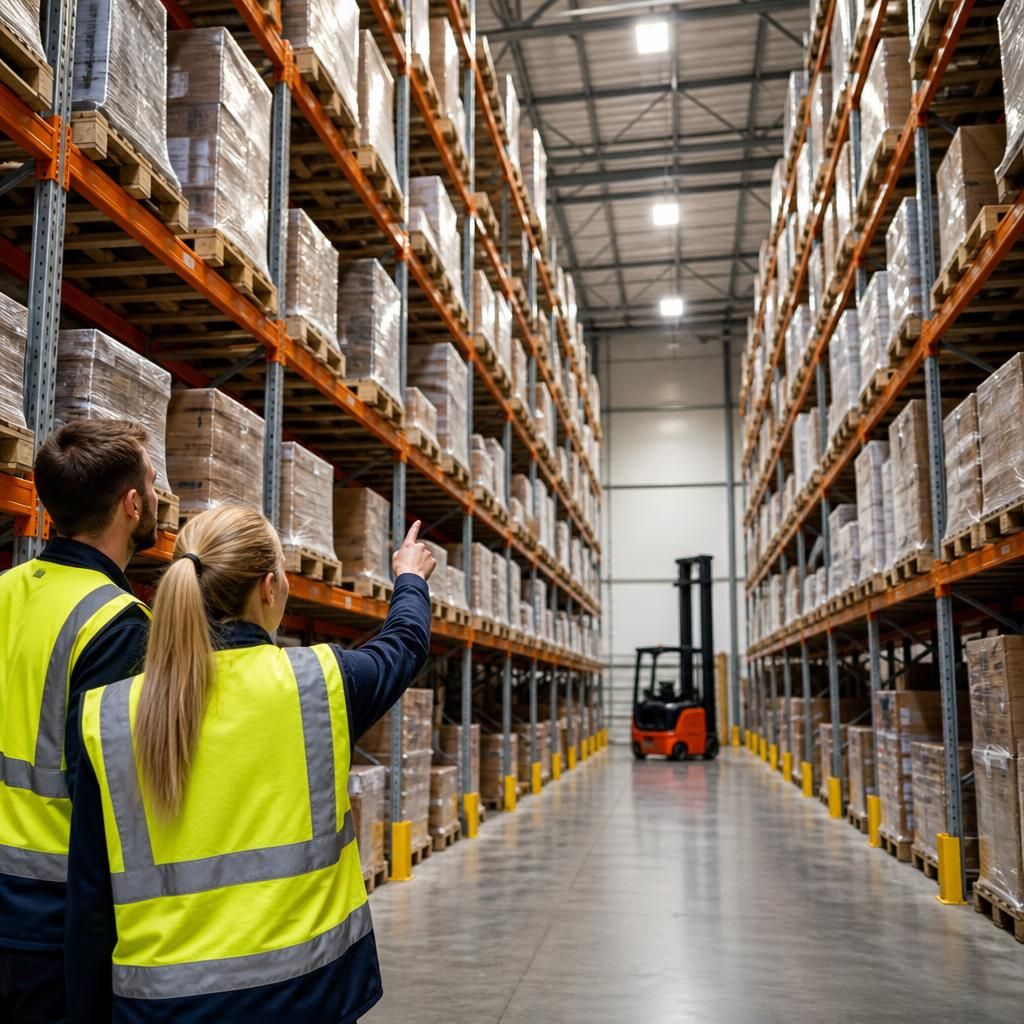
The most suitable pallet racking system depends on the balance between pallet access, storage density and stock rotation. Selective pallet racking provides direct access to every pallet, while drive-in and push-back systems store larger batches in deeper lanes but offer less selectivity.
Stock rotation is an important deciding factor. Pallet flow systems support first-in, first-out movement for products with expiry or batch-control requirements, whereas drive-in and push-back systems generally suit last-in, first-out storage. The choice should also account for pallet condition, load weights, handling equipment, available height and aisle requirements.
Need help choosing a pallet racking system?
If you need help choosing the right pallet racking system, Able Racking can assess your warehouse layout, stock requirements and handling equipment. Contact our experienced team for practical advice based on your operational needs.