
What materials are typically used in the construction of longspan racking systems, and how do they affect performance and durability?
Longspan racking systems are typically constructed from formed or rolled steel uprights and beams, with steel, timber or composite decking selected according to the load and storage environment. Steel provides strength and structural stability, while the decking type, protective coatings and manufacturing quality affect load performance, resistance to corrosion, impact and long-term durability.
Longspan racking systems are usually constructed from formed or rolled steel uprights and beams, with the supporting decking selected to suit the stored loads and working environment. Steel provides the primary structural strength and stability, while the choice of decking, protective finish, fixings and protective accessories affects load performance, resistance to damage and service life.
Structural steel components
The uprights form the vertical frames that transfer stored loads to the floor. They are commonly manufactured from profiled steel, which provides a high strength-to-weight ratio and allows the system to support substantial loads without using unnecessarily heavy components. The profile, thickness, perforation pattern and manufacturing quality all influence the upright’s resistance to bending, twisting and impact.
Steel beams span between the uprights and support the decking or stored goods. Their size, shape, connection design and steel grade affect the system’s load capacity and deflection under load. Beams must be selected as part of a complete system rather than judged by appearance alone. Two beams with a similar visual profile may have different capacities because of variations in section design, material thickness and connection details.
Bracing, frame ties, beam connectors, locking devices and fasteners also contribute to stability. These components help maintain the alignment of the frames and prevent beams from becoming displaced during normal use. Missing, loose or damaged locking devices can reduce the intended performance of an otherwise sound installation, so they should be checked during routine inspections.
Decking materials
Decking is available in several forms, and the correct choice depends on the load type, shelf span and handling method:
- Steel panels provide a durable, non-combustible surface and are suitable where resistance to impact, wear or demanding operating conditions is important.
- Wire mesh decking offers good visibility through the levels and allows light and sprinkler water to pass through. It is often useful where housekeeping, fire protection arrangements and visual inspection are priorities.
- Timber-based or chipboard decking can provide a practical, cost-effective surface for suitable boxed or unitised loads. It must be protected from moisture, overloading and damage to its edges or supporting areas.
- Composite decking combines materials to provide particular properties, such as improved stiffness, hygiene or resistance to environmental conditions. Its suitability depends on the manufacturer’s load tables and installation requirements.
Decking should be supported correctly across the specified span. It should not be assumed that a panel is suitable simply because it fits the bay. Point loads, unevenly distributed goods, pallet feet and handling equipment can create stresses that differ from those considered in a general load assessment.
Protective coatings and corrosion resistance
Most steel components have a painted, powder-coated or galvanised finish. These coatings protect the underlying steel from moisture and surface corrosion, while also improving visibility and providing a consistent finish. Powder coating is commonly used for internal warehouse environments, provided the system is kept dry and protected from aggressive substances.
Galvanised finishes can offer better resistance where humidity, condensation or temperature variation is expected. However, no coating makes steel immune to damage. Scratches, cuts, drilled holes, standing water, chemical exposure and contact with wet materials can all compromise protection. Damaged areas should be assessed and repaired using an appropriate method, rather than simply covered without addressing the cause.
Cold stores and other low-temperature environments require particular care. Condensation during temperature changes, cleaning regimes and moisture entering damaged finishes can accelerate corrosion. Materials, coatings and decking should therefore be chosen with the operating environment in mind, and the installation should be inspected for rust, coating failure and water retention.
How materials affect performance and durability
Material selection affects longspan racking in four main ways:
- Strength: The steel profile and section thickness determine how much load the uprights and beams can safely support when correctly configured.
- Stiffness: Stiffer components limit deflection and help keep stored goods stable and level. Excessive movement may indicate overloading, impact damage or an unsuitable configuration.
- Resistance to impact: Coatings do not prevent deformation caused by forklifts, trolleys or falling goods. Where traffic operates close to the installation, suitable end protection, upright guards and good traffic management are important.
- Resistance to the environment: Moisture, chemicals, temperature changes, dust and cleaning products can affect steel, timber-based decking and fixings differently. The most durable system is one specified for its actual conditions of use.
Manufacturing accuracy is as important as the raw material. Consistent profiles, properly formed connections, sound welds where applicable and correctly finished surfaces help components perform as designed. Unauthorised alterations, mixing components from different systems or replacing parts with unapproved alternatives can change the load-bearing behaviour and invalidate the original design assumptions.
Choosing materials for a reliable installation
Material selection should begin with the intended load, bay dimensions, access equipment, storage method and environmental conditions. Consider whether goods are loose, boxed, palletised, corrosive, damp or likely to create concentrated loads. The decking must match the support spacing and load distribution, while beams and frames must be selected using the manufacturer’s specifications and design information.
During an inspection, look for bent steel, cracked or damaged decking, corrosion, missing beam locks, loose fixings, distorted frames and coating damage. Pay particular attention to areas near vehicle routes and lower levels, where impact is more likely. Any component that has lost its shape or shows significant damage should be taken out of service or assessed by a competent person before the system is used again.
With correctly specified materials, professional installation and regular inspection, longspan racking can provide a durable storage solution. Its performance depends not only on the strength of the steel, but also on compatible components, correct loading, protection from impact and timely maintenance throughout the system’s working life.
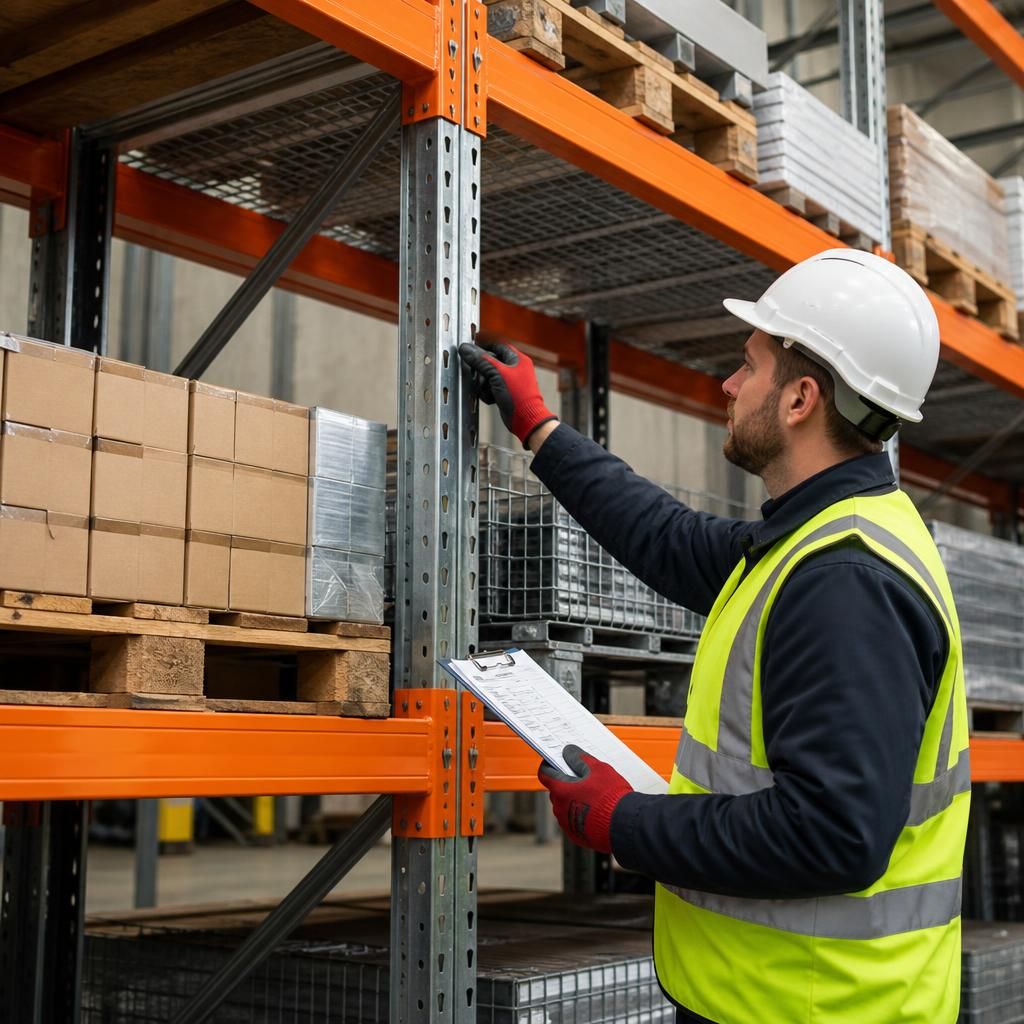
Steel provides the main strength in longspan racking, but its durability also depends on the finish and the environment. Painted or powder-coated steel is suitable for many dry warehouse areas, while galvanised components may be more appropriate where humidity, condensation or temperature changes are expected. Timber-based, steel and wire mesh decking should likewise be selected for the stored load and operating conditions.
Protective coatings do not prevent damage from vehicle impact, scratches, standing water or chemical exposure. Damaged components should be assessed promptly, and any corrosion, distortion or weakened decking should be addressed before it affects the safe performance of the warehouse racking system.
Arrange a longspan racking materials assessment
Arrange a longspan racking materials assessment with Able Racking to review component condition, protective finishes and suitability for your warehouse environment. Our experienced team can identify material-related risks and recommend practical corrective action.