
What are the cost implications of installing mezzanine loading and access systems?
The cost of installing mezzanine loading and access systems depends on the design, load requirements, access equipment, structural alterations, installation conditions and required safety measures. A complete budget should also allow for surveys, design approval, compliance checks, commissioning and ongoing maintenance, as these help protect long-term safety, reliability and operational value.
The cost of installing mezzanine loading and access systems is determined by the structural design, required load capacity, access equipment, site conditions, safety provisions and level of integration with existing warehouse operations. A reliable budget should include more than the equipment itself: surveys, engineering, approvals, installation, commissioning, training and future maintenance can all affect the total cost.
Design and survey costs are usually the starting point. A competent assessment may need to review the building structure, available headroom, floor condition, access routes, existing services, fire protection and the intended flow of goods and people. The complexity of the survey and the amount of engineering design required will depend on whether the system is a straightforward installation or must work around existing equipment and building constraints.
The load requirements have a direct influence on the structure and associated equipment. A system intended for light goods will have different design requirements from one handling dense, heavy or regularly moved loads. The design should consider the maximum working load, how loads are distributed, the frequency of use and whether loading will be manual or mechanised. Under-specifying these requirements can create safety and operational problems, while over-specifying them may add unnecessary cost.
Access equipment is another major cost consideration. Depending on the application, the installation may include goods lifts, pallet gates, conveyors, stairways, loading platforms, guarding and control systems. Each option has different purchase, installation, power, maintenance and training requirements. A lift may provide controlled vertical movement, while a conveyor can support a continuous flow of goods. The most suitable combination should be selected according to the type, size and frequency of loads rather than initial purchase price alone.
Where a pallet gate or other loading gate is required, the specification should account for safe operation, interlocking, guarding and compatibility with the loading process. Additional controls may be necessary to prevent access to an open loading edge and to ensure that the gate cannot be operated in an unsafe sequence. These features can increase the initial cost but are important parts of a compliant system.
Building alterations and enabling works can also affect the budget. These may include modifications to floors, walls, doors, lighting, electrical supplies, fire protection, ventilation or existing transport routes. Restricted access, limited working space and the need to keep nearby operations running can increase installation time. Before work begins, the installation plan should identify lifting arrangements, delivery access, temporary protection and any periods when areas must be isolated.
Safety and compliance costs should be treated as essential rather than optional extras. The project may require structural calculations, design checks, risk assessments, guarding, edge protection, safe access, emergency arrangements and suitable operating instructions. Depending on the building and project scope, planning, Building Regulations, fire safety and construction management requirements may also need to be considered. The exact obligations should be confirmed during the design and approval process.
Installation costs are influenced by the number of components, site conditions, assembly method and the experience required to complete the work safely. A detailed quotation should make clear whether it includes delivery, unloading, installation, testing, commissioning, waste removal and handover documentation. It should also identify any assumptions about the building, power supply, working hours and access to the installation area.
Operational disruption is a cost that is often overlooked. Installing a loading and access system may temporarily restrict movement through part of the warehouse, interrupt dispatch activity or require work outside normal operating hours. Good planning can reduce this impact. Phased installation, agreed isolation periods and clear communication with site personnel help control both direct downtime and the risk of delays to customer orders.
After installation, the budget should allow for commissioning, inspection and training. Operators need to understand safe loading limits, controls, pedestrian segregation, emergency procedures and the correct response to faults. Handover information should include operating instructions, maintenance requirements and relevant design or inspection records. This provides a clear reference for supervisors and supports consistent use of the system.
Whole-life cost is more useful than the initial purchase price when comparing options. Consider energy use, planned servicing, statutory or manufacturer-recommended inspections, replacement parts, software or control-system support and the consequences of unplanned downtime. A system that is cheaper to install may be less economical if it is difficult to maintain, has limited parts availability or causes frequent interruptions to material flow.
When reviewing quotations, check that each proposal clearly states:
- the design load, operating conditions and intended use;
- the equipment and safety components included;
- structural surveys, calculations and design approval responsibilities;
- building alterations, electrical work and fire protection assumptions;
- delivery, installation, testing, commissioning and handover arrangements;
- operator training and the documentation provided;
- planned maintenance, inspection and warranty provisions; and
- any exclusions, provisional items or conditions that could lead to additional charges.
The best way to control cost is to define the loading process and safety requirements before selecting equipment. A site-specific assessment can identify constraints early, compare alternative access arrangements and separate essential compliance measures from optional features. It can also reduce the likelihood of redesign, remedial work or operational disruption after installation.
In practice, the right solution is the one that balances capital cost with safe capacity, reliable goods movement, maintainability and the expected future use of the facility. A properly designed and commissioned mezzanine loading and access system should support efficient operations without compromising structural safety or compliance.
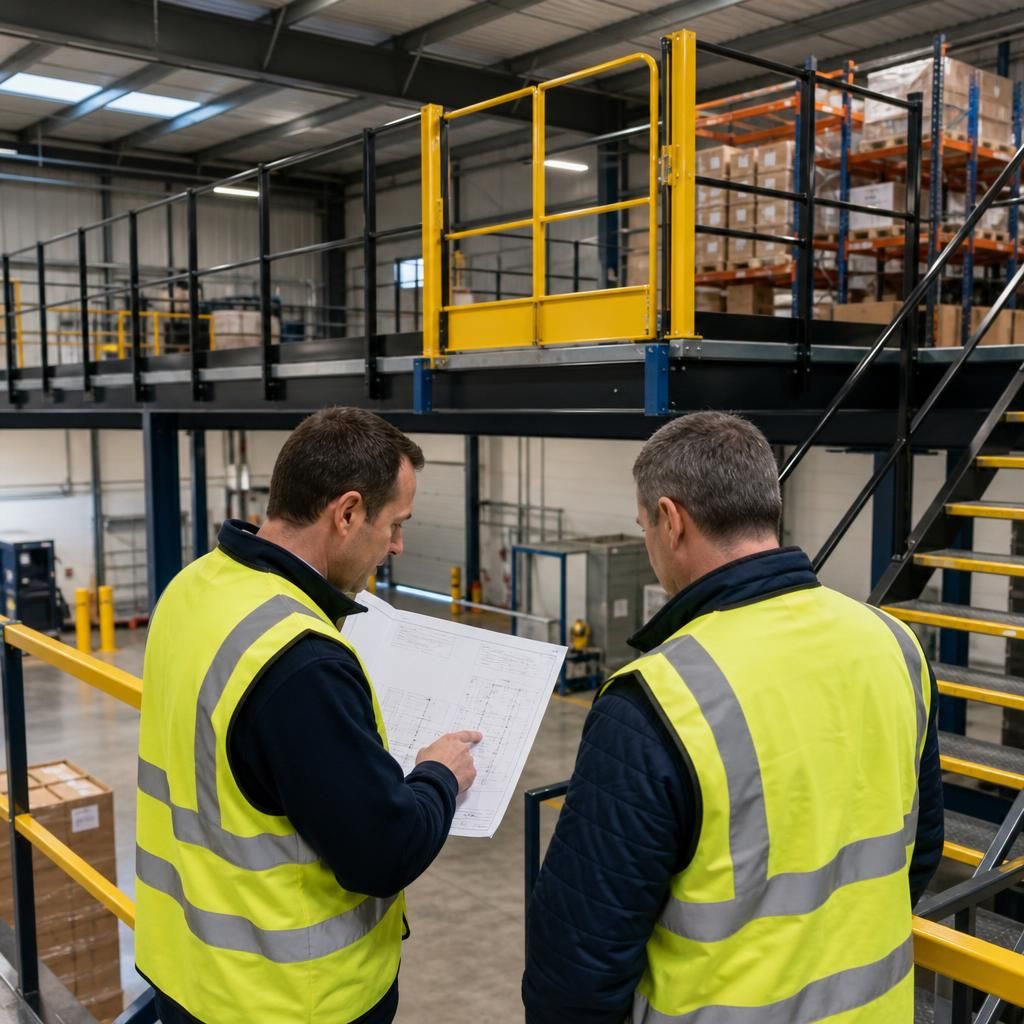
The most reliable way to control the cost of installing mezzanine loading and access systems is to compare the complete project scope, not just the equipment price. A suitable quotation should identify design work, structural checks, delivery, installation, guarding, controls, testing, commissioning, training and handover documentation.
It should also state any exclusions, provisional items and building alterations that may create additional charges. Comparing planned maintenance, energy use, replacement parts and potential downtime helps establish the whole-life cost. This approach supports a safe, compliant installation while reducing the risk of redesign, unexpected remedial work or disruption after commissioning.
Discuss your mezzanine loading and access system requirements
Contact our team to discuss your mezzanine loading and access system requirements, including design, safety provisions, installation conditions and whole-life costs. We can help review your site needs and clarify the scope before you proceed.