
What practical skills will I gain from the Pallet Racking Installer Training course?
The Pallet Racking Installer Training course develops practical skills in safely assembling, positioning, securing and inspecting warehouse racking systems. You will also learn to interpret installation information, identify hazards and defects, apply safe working procedures, and confirm that completed installations meet current industry requirements.
The Pallet Racking Installer Training course develops the practical skills needed to assemble, position, secure and check warehouse racking systems safely. You will learn how to work from installation information, handle components correctly, use tools and access equipment, recognise hazards, identify defects and confirm that a completed installation is suitable for use.
The course is designed to turn technical guidance into safe working practice. It combines instruction with practical tasks so that you can understand not only what to do, but also why each stage matters. This is particularly important when installing pallet racking, where small errors in alignment, connection, anchoring or component selection can affect the stability and performance of the whole system.
Understanding installation information
You will learn how to interpret the information provided for a warehouse racking installation. This can include layout drawings, component schedules, installation instructions, load information and site-specific requirements. The training helps you identify the position of frames, beams, protection equipment and accessories before work begins.
Practical skills include checking that the components delivered to site correspond with the planned installation and raising concerns where information is incomplete, unclear or inconsistent. You will also learn why installers must not make unapproved changes to the design or substitute components without appropriate authorisation.
Identifying and handling components
The course familiarises you with the main components used in pallet racking systems, including upright frames, beams, connectors, bracing, baseplates, anchors, guards and other specified accessories. You will develop the ability to distinguish between components, understand their intended position and check them for visible damage before installation.
Correct handling is covered because components can be damaged by unsuitable lifting, dragging, dropping or storage. You will practise methods that reduce the risk of damage to the equipment and injury to people working nearby. This includes maintaining suitable storage areas, keeping components stable and following agreed manual-handling procedures.
Safe assembly and positioning
You will gain practical experience in assembling warehouse racking in the correct sequence. This includes positioning frames, fitting beams and bracing, securing connections and checking that components are properly seated. The training reinforces the need to follow the specified method rather than relying on assumptions based on a similar installation.
Positioning skills include working from the planned layout, maintaining required clearances and checking that the installation does not obstruct access routes, fire equipment, doors, lighting or other services. You will learn how to identify issues with the floor, surrounding building features or available working space before they create a problem during installation.
Anchoring, alignment and tolerances
A key practical outcome is the ability to check that the system is stable, aligned and secured in accordance with the installation requirements. You will learn how anchors and baseplates contribute to the stability of the structure and why the correct fixing method, location and installation procedure matter.
The course also covers the importance of checking vertical alignment, beam positioning, frame condition and connection security. Where specified tolerances apply, you will learn how to measure or assess the installation and report results accurately. If an installation falls outside the required limits, the correct response is to stop, protect the area where necessary and refer the issue for an appropriate decision rather than attempting an unauthorised adjustment.
Using tools and access equipment safely
You will develop safer working habits when using hand tools, powered tools and equipment required for installation work. This includes selecting suitable equipment, carrying out pre-use checks, using tools as intended and storing them safely when they are not in use.
Where access equipment is used, the training addresses the need for competent operation, suitable positioning and effective control of the work area. You will learn to consider overhead risks, falling objects, pedestrian movement, vehicle activity and the condition of the floor. The practical emphasis is on coordinating the task so that installers, other contractors and warehouse personnel are not exposed to avoidable hazards.
Applying safe systems of work
The training helps you apply risk assessments, method statements and site rules to real installation activities. You will learn how to identify hazards such as unstable components, work at height, manual handling, moving vehicles, falling materials and unauthorised access to the work zone.
You will also practise using suitable control measures, including exclusion zones, temporary stability measures, personal protective equipment, clear communication and orderly work sequencing. The course reinforces the importance of stopping work when conditions change or when the required controls are not in place.
Inspecting completed installations
Inspection skills are an important part of the installer’s role. You will learn how to carry out visual and practical checks during installation and before the system is handed over. These checks can include looking for damaged frames or beams, missing or insecure components, poor connections, inadequate anchoring, misalignment and obstructions that could affect safe operation.
You will also learn to recognise signs that require further investigation, such as impact damage, distortion, unusual movement or components that do not match the installation information. The course explains the difference between an issue that can be corrected within the agreed installation process and a defect that must be reported to a responsible person or suitably qualified specialist.
Recording defects and communicating information
Practical competence includes more than completing the physical installation. You will learn how to record checks, communicate defects and provide clear information about work that has been completed or remains outstanding. Accurate records should identify the location and nature of an issue, the immediate action taken and any further action required.
Clear communication is essential when working as part of an installation team. You will practise confirming responsibilities, reporting changes, coordinating lifting and access activities, and handing over information to the site contact. These habits help prevent misunderstandings and support effective ongoing inspection and maintenance.
Confirming readiness for use
By the end of the practical training, you should understand the checks required before a warehouse racking installation is put into service. This includes confirming that the structure has been assembled according to the available information, components are secure, protection measures are fitted where specified, defects have been addressed or reported, and the relevant documentation is complete.
The course therefore provides a practical foundation for safe installation work, defect recognition and professional site conduct. It does not replace the need to follow the current instructions for a particular system, comply with site controls or seek technical advice when conditions fall outside the installer’s competence. Able Racking’s experienced operatives apply the same careful approach during installations, inspections and repairs: work to the available information, check each stage and report anything that could affect safety or performance.
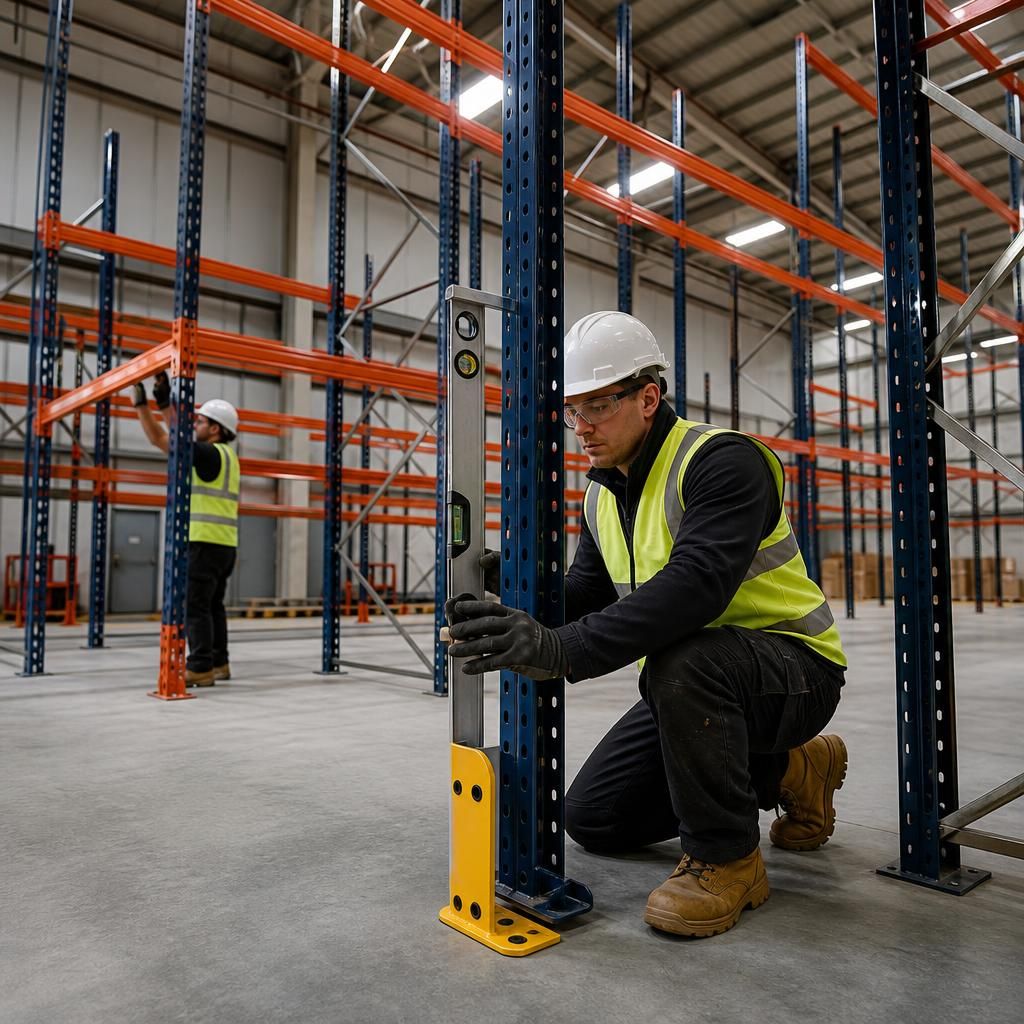
One key practical skill gained from Pallet Racking Installer Training is the ability to check an installation as it progresses, not only after the work is complete. You will learn to assess frame alignment, beam connections, bracing, baseplates, anchors and protective equipment against the installation information and applicable site requirements.
The training also develops your ability to recognise and report defects, including damaged components, insecure connections, missing fixings, distortion or obstructions. You will practise recording the location and nature of an issue, applying any immediate control measures and referring problems that require technical judgement to the responsible person. This helps ensure warehouse racking is not handed over for use until outstanding concerns have been addressed or formally recorded.
Enrol on the Pallet Racking Installer Training Course
Enrol on the Pallet Racking Installer Training course to develop the practical skills needed for safe warehouse racking installation, inspection and compliance. Contact Able Racking to discuss your training requirements and next steps.