
What is the duration of a typical rack inspection course?
A typical rack inspection course is completed in one day, combining classroom learning with practical inspection exercises. The exact duration may vary according to the course format, delegate experience and the depth of assessment required.
A typical rack inspection course is completed in one day. It usually combines structured classroom instruction with practical inspection exercises, allowing delegates to understand the principles of warehouse racking safety and apply them during realistic assessments. The exact duration can vary according to the course format, delegate experience and the depth of assessment required.
The course normally begins with the essential principles of warehouse racking inspection. This includes the purpose of routine inspections, the responsibilities of those involved, common causes of damage and deterioration, and the importance of following the manufacturer’s information and relevant guidance. Delegates learn how to recognise unsafe conditions and distinguish between issues requiring immediate action and those that should be monitored or addressed through planned maintenance.
Time is also allocated to examining the main components of a warehouse racking system. Delegates may review frames, beams, bracing, guards, fixings, floor connections, load notices and other safety-critical elements. The course explains how damage, overloading, poor installation, impact and unauthorised alterations can affect the stability and performance of the system.
The practical part of the course is an important reason why a typical programme takes a full day. Delegates apply the inspection process to warehouse racking, identify faults and record their findings clearly. They may practise classifying damage, deciding when an area should be taken out of service, and communicating recommendations to the responsible person. This helps connect the theory with the decisions an inspector must make in an operational warehouse.
Assessment is generally integrated into the training rather than treated as a separate subject. Depending on the course format, delegates may complete written questions, practical observation, inspection exercises or a combination of assessment methods. The course provider should explain the assessment requirements before training begins, including any evidence needed for certification.
Delegates with previous experience of warehouse racking, warehouse operations or safety inspections may find some subjects familiar, but the course still needs to cover the complete inspection process. Experience can help a delegate work through practical exercises more efficiently; it does not replace the need to demonstrate a consistent and competent approach.
Where a group has specific operational requirements, the training format may be adapted. For example, the content can place greater emphasis on the types of warehouse racking, damage patterns or inspection records relevant to the site. This may affect the timetable, particularly where additional practical work or discussion is needed. Any changes to the standard duration should be agreed before the course is booked.
Before attending, delegates should allow time to review the joining instructions and bring any relevant site procedures or questions. If the course includes practical work, suitable safety clothing and footwear may be required. Completing the course is only one part of maintaining warehouse racking safety: inspections must continue at the appropriate frequency, findings must be recorded, and defects must be dealt with promptly by competent people.
In most cases, planning for a full day provides enough time to cover the required knowledge, complete practical inspection activities and assess understanding without rushing safety-critical topics. Able Racking can confirm the precise timetable, delivery method and certification arrangements for the selected rack inspection course before attendance.
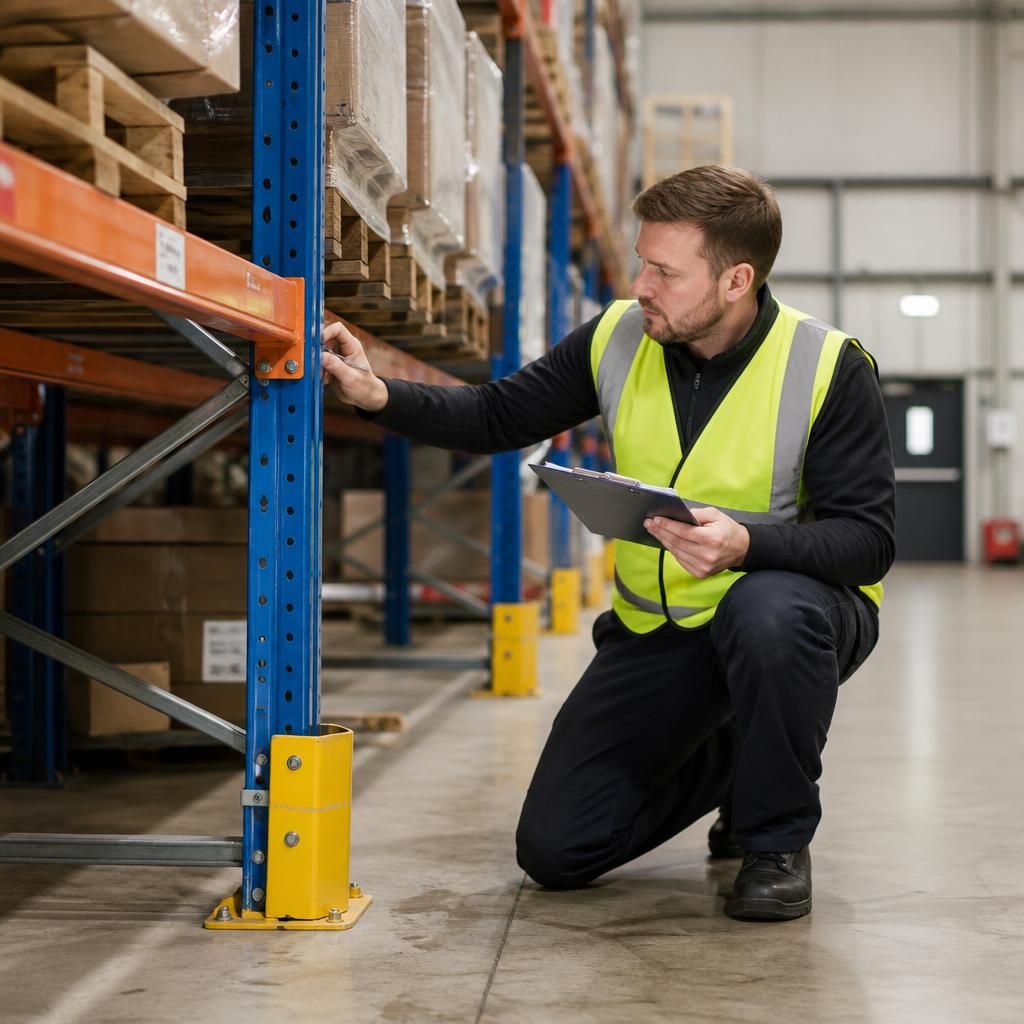
The practical inspection element is a key reason a typical rack inspection course takes a full day. Delegates apply the inspection process to warehouse racking, examine components such as frames, beams, bracing and fixings, and practise identifying damage or unsafe conditions. They also learn how to record findings, classify defects and recommend appropriate action, including when an area should be taken out of service. This practical work helps confirm that delegates can apply the course knowledge consistently in a working warehouse environment.
Confirm Your Rack Inspection Course Duration
Contact Able Racking to confirm the duration, format and practical requirements for your selected rack inspection course before booking.