
Pallet Racking Inspection Essentials
Pallet racking inspection is a critical process ensuring warehouse racking systems are safe and operationally efficient. This checklist focuses on structural integrity, correct load handling, and adherence to safety regulations. Regular inspections help identify potential hazards, enabling timely maintenance and prevention of costly downtime. Ensure your warehousing operations maintain compliance and safety by systematically following this inspection guide.
Visualising the Benefits of Regular Pallet Racking Inspections
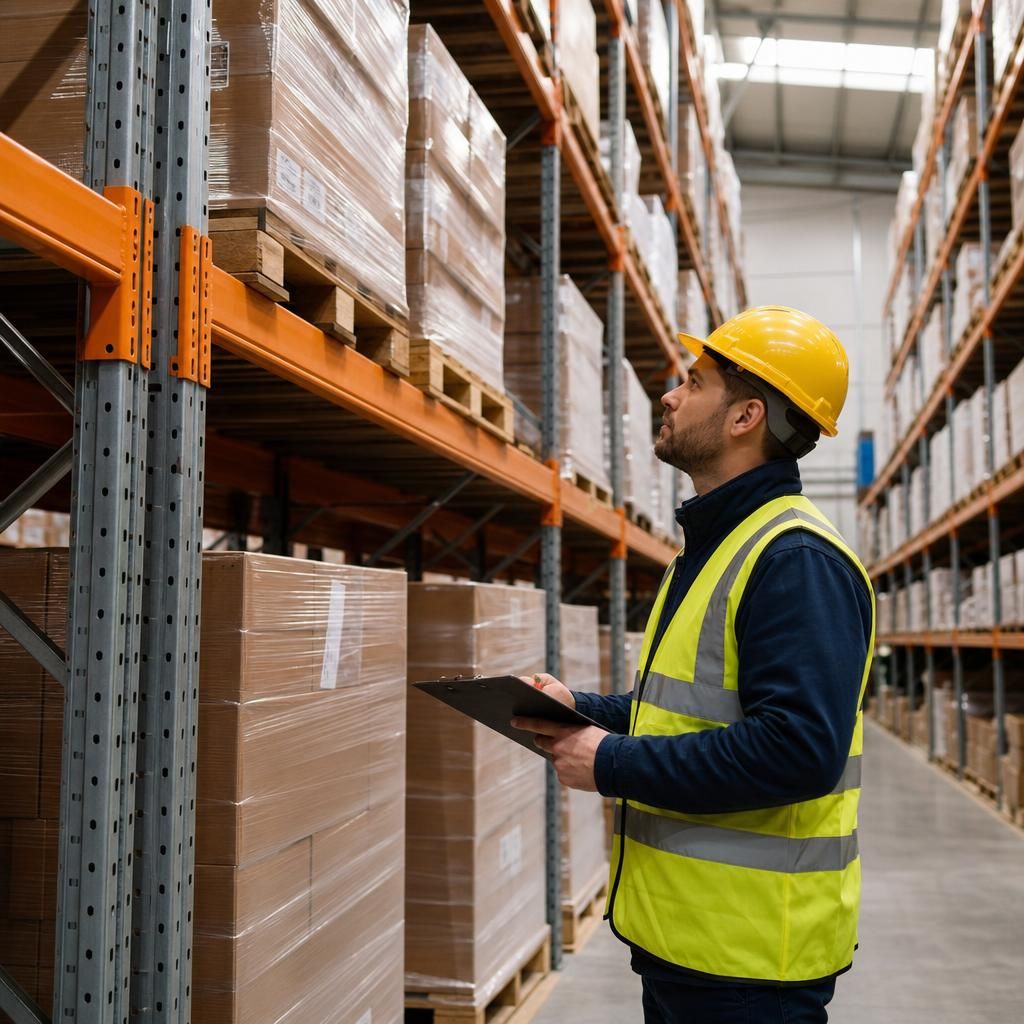
Ensuring Structural Integrity
Regular inspections help identify structural issues like bent frames or misaligned beams, which are crucial for maintaining the integrity of warehouse racking systems.
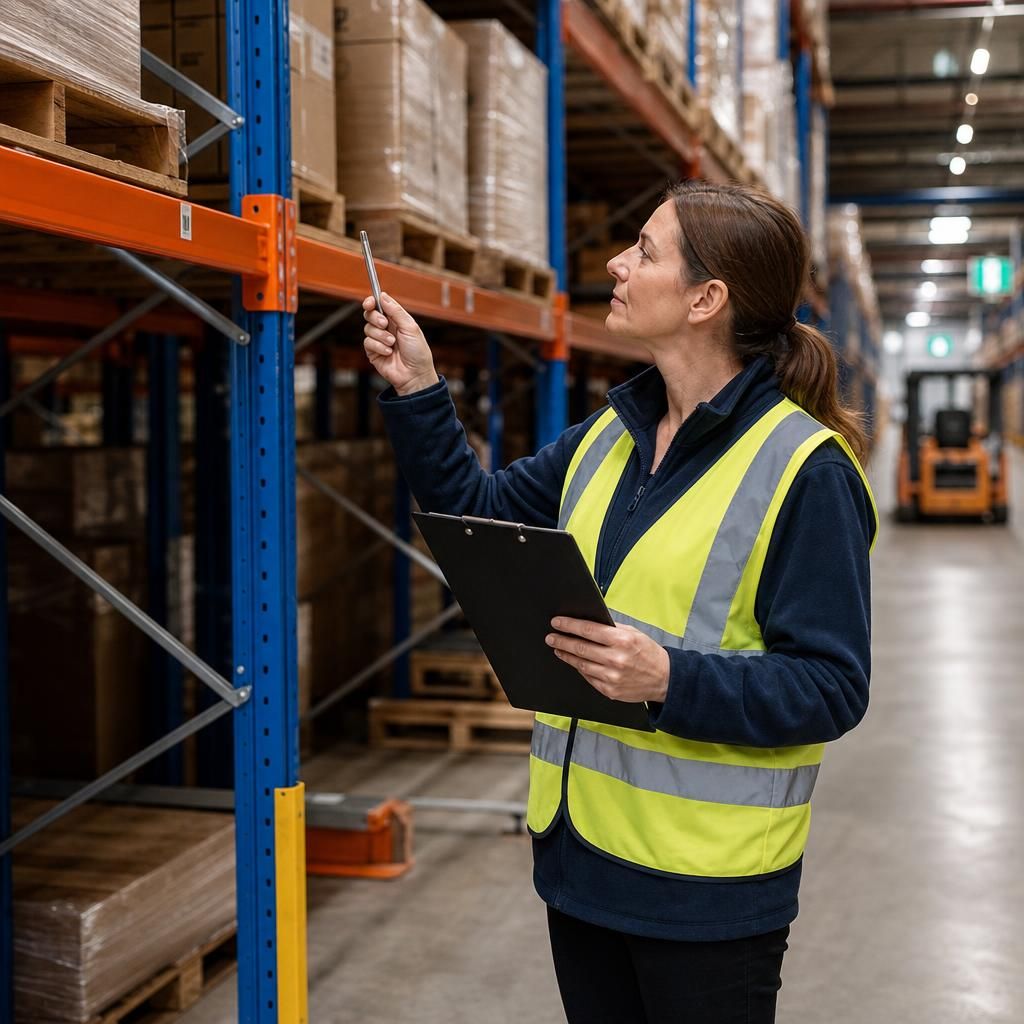
Correct Load Handling
Inspecting load handling practices ensures that weight limits are respected, preventing undue stress on racking systems and averting potential collapses.
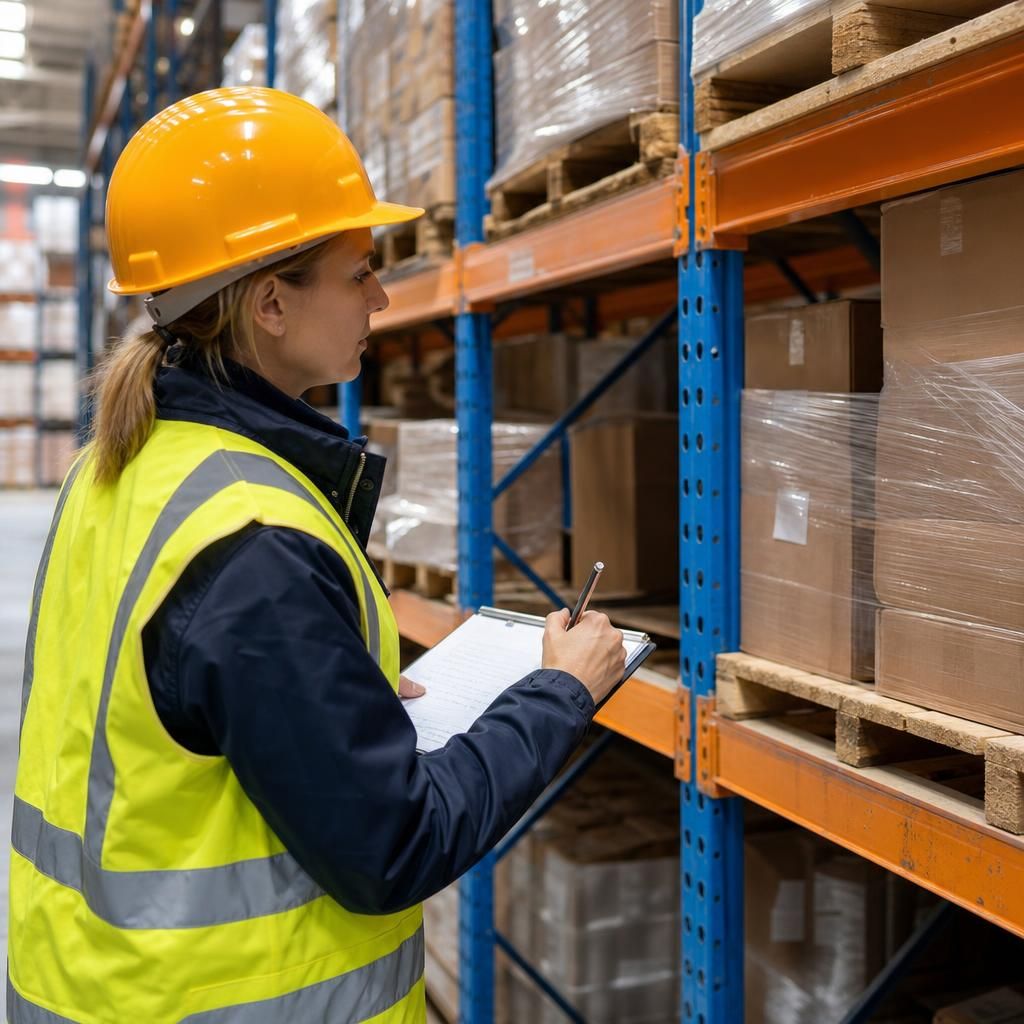
Adhering to Safety Regulations
Ongoing compliance with safety regulations through regular inspections helps prevent legal issues and promotes a secure working environment.
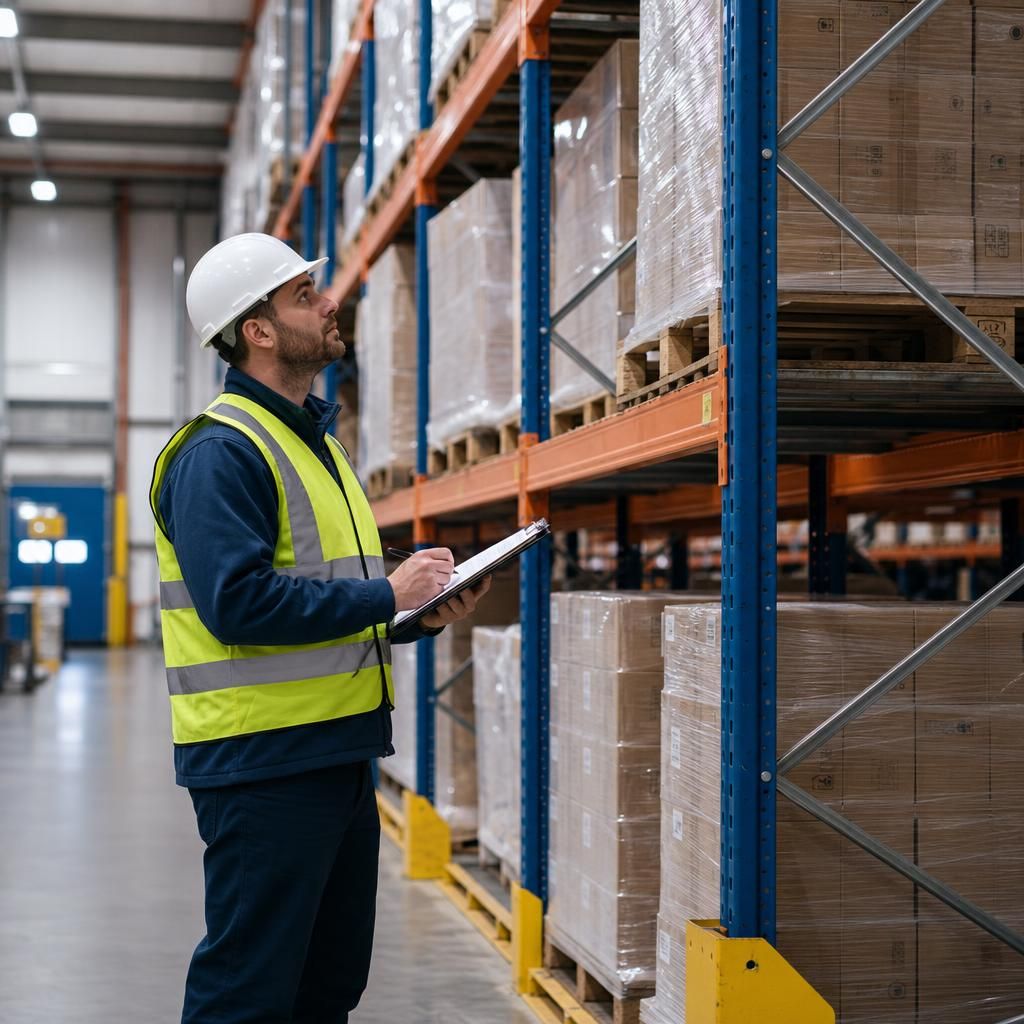
Identifying Potential Hazards
Spotting hazards such as rust, corrosion, and physical damage during inspections aids in proactive maintenance and damage prevention.
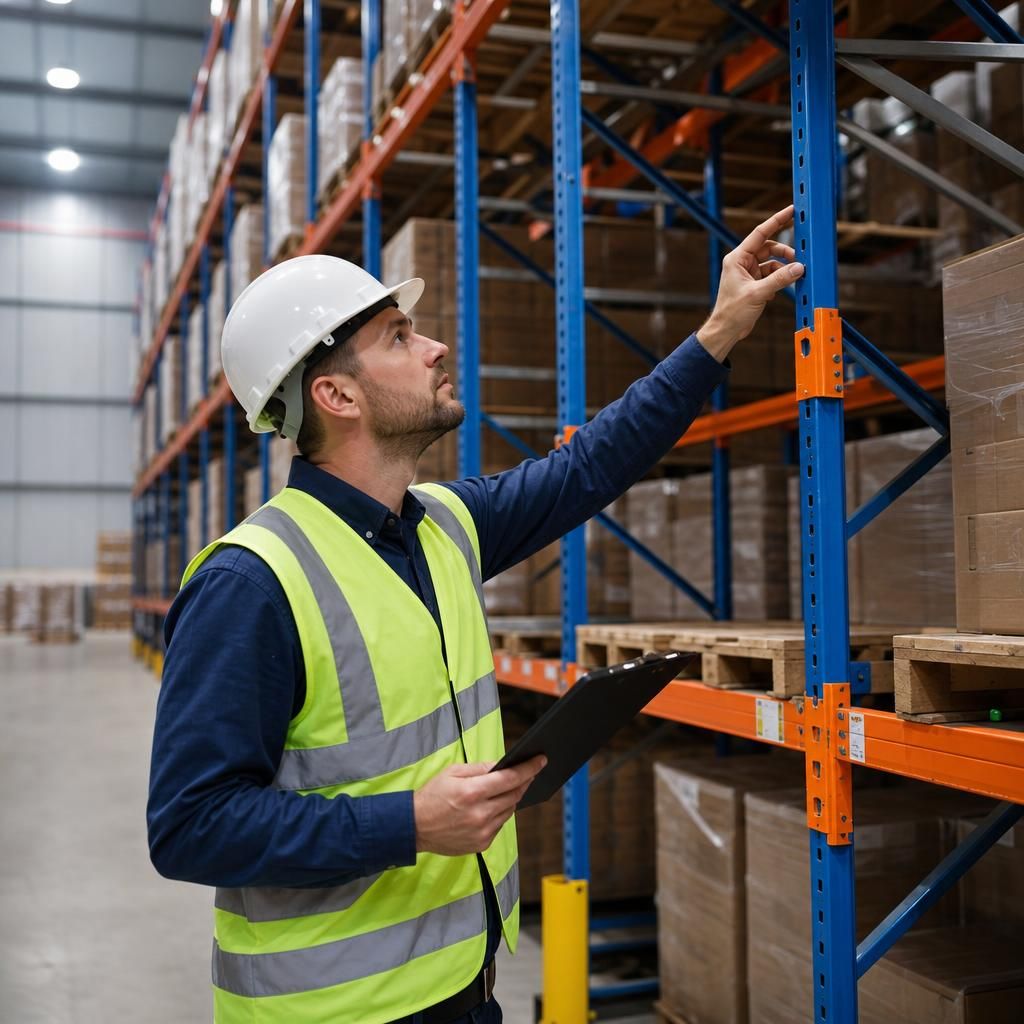
Timely Maintenance Interventions
Regular checks facilitate timely repair interventions, reducing downtime and ensuring the uninterrupted functioning of warehouse operations.
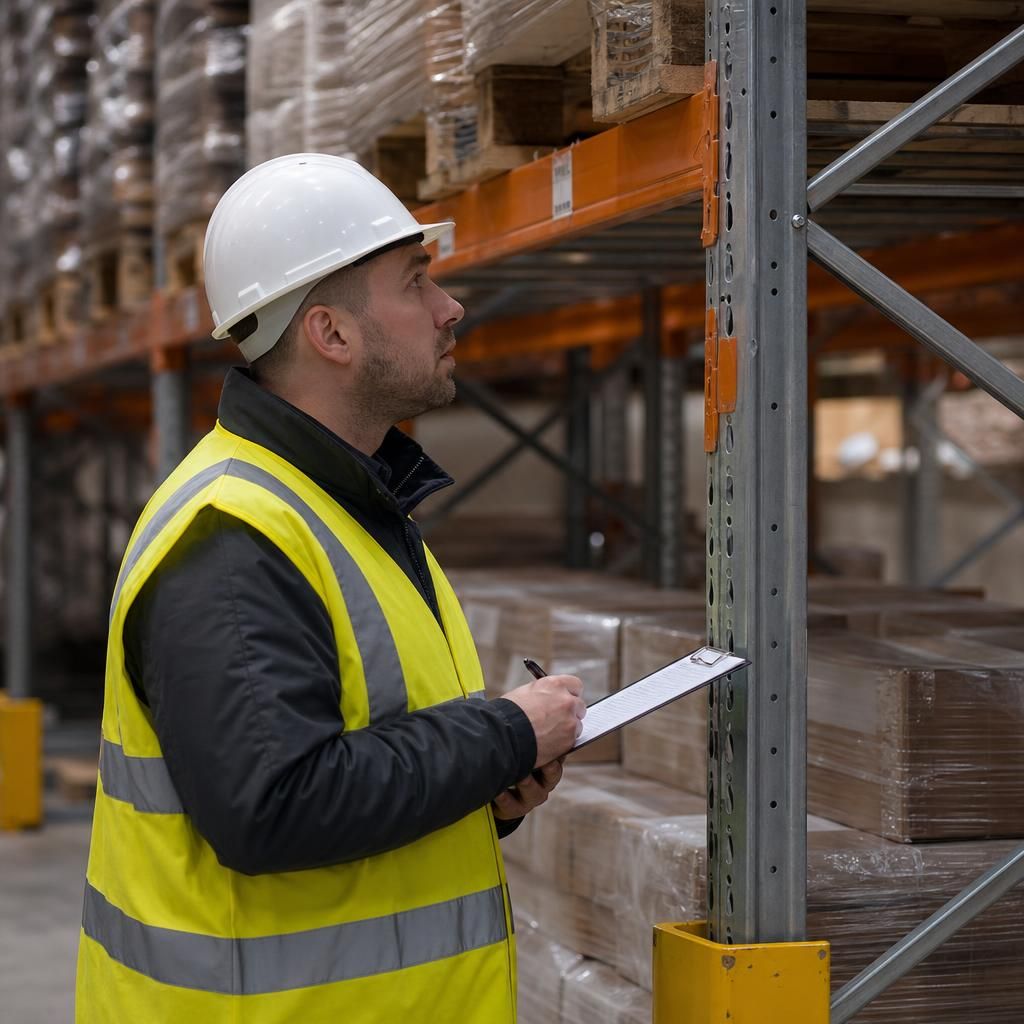
Training for Safety
Training employees on regular inspection protocols improves overall safety awareness and enhances the effectiveness of maintenance activities.
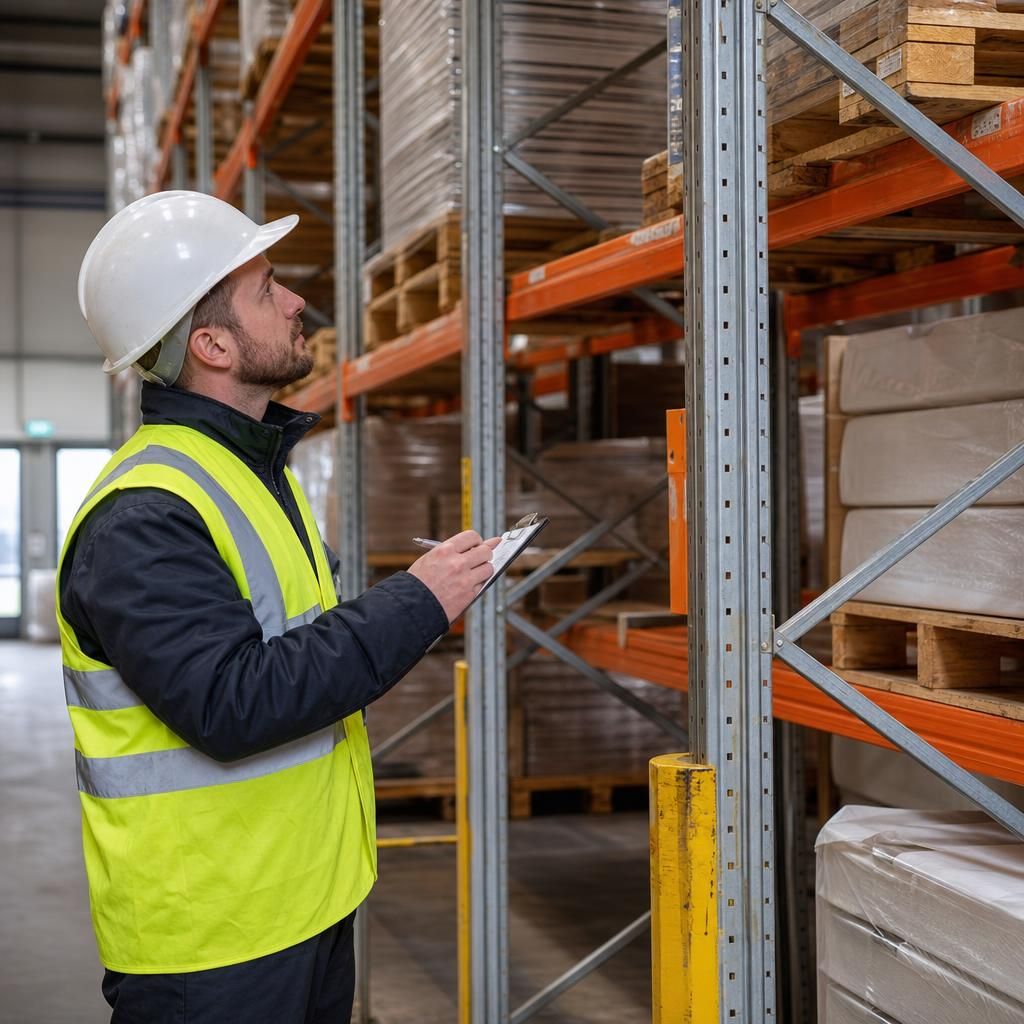
Optimising Warehouse Efficiency
Systematic inspections enable the optimization of racking configurations, thereby improving space utilization and operational efficiency.

Routine Inspection Checklist
Using a detailed checklist for routine inspections ensures all critical aspects are covered, supporting the longevity and dependability of racking systems.
Detailed Pallet Racking Inspection Guidelines
Pallet racking inspection is a crucial practice within warehouse management, targeting the evaluation of structural elements such as beams, uprights, and decking. This inspection ensures that each component confirms with industry safety standards, thus safeguarding the warehouse environment and contributing to operational efficiency. Inspections focus on identifying any form of damage, whether it’s bent beams or missing safety clips, which, if left unchecked, could lead to potential collapse or safety incidents. Frequent and methodical inspection is essential to preemptively address such issues, thereby supporting compliance with safety regulations and preventing costly disruptions.
Choosing a reliable and comprehensive pallet racking inspection checklist is key to maintaining the structural integrity of racking systems. Important aspects to consider include the existing state of load capacities, signs of rust or corrosion, and the accuracy of component installations. By following a detailed checklist, businesses can ensure their warehouse racking systems remain both safe and efficient, significantly reducing the incidence of accidents and enhancing worker safety. This structured approach not only protects staff and inventory but also extends the lifespan of the racking system, promoting a resilient and productive warehousing operation.
Structural Component Assessment
Evaluating the integrity of the structural components in pallet racking systems is paramount for ensuring safety. Inspections focus on checking the condition of beams, uprights, and deckings, identifying any signs of damage or misalignment.
Key Areas for Structural Inspection
Inspections should examine for bent beams, misaligned uprights, and compromised decking. Look for signs of wear or stress fractures that could undermine the racking system’s stability. Regular checks can prevent potential structural failures and ensure compliance with industry safety standards.
Load Capacity Verification
Maintaining appropriate load capacities is critical for the safety and efficiency of warehouse racking systems. Overloading can lead to structural damage and increase the risk of collapse.
Checking Load Limits
Start by verifying that load capacities are clearly marked and adhered to. Check for signs of overloading such as sagging beams or stressed joints. Ensure all team members involved in loading are aware of these limits and regularly review them during inspection.
Safety Clip and Connector Inspection
Safety clips and connectors play a vital role in keeping racking components securely in place. Missing or damaged clips could lead to unexpected disassembly, presenting a significant safety hazard.
Inspection Protocol for Clips and Connectors
Inspect each bay for the presence and condition of safety clips and connectors. Look for signs of wear, rust, or missing parts. Replace any compromised components immediately to maintain the integrity of the racking system.
Rust and Corrosion Monitoring
Rust and corrosion can weaken the structural components of a racking system, leading to failures if not addressed promptly. A thorough inspection should include a check for any signs of corrosion.
Addressing Corrosion
Identifying rust spots early is crucial for maintaining the longevity of racking systems. Include a visual examination of all metal surfaces during inspections, paying special attention to joints and areas with previous corrosion issues. Apply protective coatings as needed to mitigate future rust development.
Training and Compliance Checking
Ensuring that staff are trained in proper racking use and that procedures comply with safety standards is essential for operational safety and efficiency.
Ensuring Staff Training and Compliance
Regularly review training programs to ensure all warehouse personnel are knowledgeable about the correct operation and inspection of pallet racking systems. Document compliance checks and update procedures as necessary to align with current safety regulations and best practices.
Trusted Credentials and Proven Expertise
Pallet racking inspection is a systematic process aimed at evaluating the safety and efficiency of warehouse storage systems. This involves a thorough examination of key structural components, such as frames, beams, and deckings, to ensure they conform to industry standards and are free from damage or misalignment.
Key considerations during these inspections include identifying signs of rust or corrosion, verifying the correct installation of components, and checking that load capacities are not exceeded. Conducting these assessments regularly reduces risk, ensures compliance with safety regulations, and promotes a safer, more productive work environment.
Demonstrated Expertise in Ensuring Racking Safety
Certified Inspection Team
Our team of certified inspectors is highly trained to ensure that all warehouse racking inspections meet industry standards.
Commitment to Safety
We prioritise safety by conducting thorough inspections that prevent accidents and boost operational productivity.
Years of Expertise
With decades of experience, our specialists bring unparalleled expertise to each inspection, ensuring lasting racking integrity.
Verified Compliance
We ensure all inspections are compliant with the latest safety regulations, safeguarding your warehouse environment.
Advanced Inspection Techniques
Utilising cutting-edge techniques, we meticulously examine each component for signs of wear or damage.
Proven Track Record
Our extensive portfolio showcases successful inspections that have enhanced safety for countless warehouses.
Innovative Solutions
We employ innovative strategies to identify potential safety risks, ensuring proactive prevention of issues.
Timely Interventions
Our prompt service helps address any issues quickly, reducing downtime and enhancing operational consistency.
Comprehensive Reports
Receive detailed reports that provide actionable insights into the status and safety of your racking systems.
Why Choose Able Racking for Pallet Racking Safety
Able Racking stands out for its extensive expertise in warehouse racking safety, providing reliable, expert-led preventive measures. Our skilled team ensures your systems are compliant, efficiently maintained, and operational, minimising risks effectively.
Decades of Expertise in Warehouse Racking Safety
Able Racking brings decades of experience to warehouse racking safety, offering services that are grounded in extensive practical knowledge. Our team's expertise ensures that all inspections, installations, and maintenance tasks are carried out to the highest standards, guaranteeing compliance and operational efficiency.
Comprehensive Inspection Processes
Our inspection processes are comprehensive, focusing on all aspects of warehouse racking systems. We meticulously assess every component, from beams to uprights, ensuring that all elements meet safety standards. This thorough approach minimizes risks and ensures safe warehouse operations.
Rapid and Reliable Repairs
Able Racking is dedicated to providing rapid and reliable repairs following our inspections. By addressing identified issues promptly, we help prevent minor problems from escalating into major safety hazards, thus maintaining a safe and productive warehouse environment.
Preventative Maintenance Solutions
Our preventative maintenance solutions are designed to extend the lifespan of your warehouse racking systems. Through regular inspections and upkeep, we mitigate wear and tear, ensuring continuous compliance with safety regulations and reducing the likelihood of costly repairs.
Tailored eLearning Programs
Able Racking offers tailored eLearning programs aimed at enhancing understanding of warehouse racking safety. These programs are customised to the specific needs of your operations, ensuring that your team has the knowledge and skills required to maintain a safe working environment.
Commitment to Safety and Compliance
Safety and compliance are at the core of Able Racking's services. We continuously update our practices to align with the latest industry standards, ensuring that your warehouse racking systems are always safe, compliant, and optimised for performance.
National Coverage with Local Expertise
While we offer national coverage, our service retains a local touch, ensuring that each client receives personalised attention. Able Racking's professionals are committed to delivering exceptional service, efficiently meeting the unique safety needs of industrial clients across the UK.
Professionalism and Quality Assurance
Known for professionalism, Able Racking ensures quality in every aspect of our services. From initial inspection to final repairs and maintenance, we guarantee thoroughness and commitment to uphold the highest standards of warehouse safety.
Industry-Leading Expertise in Pallet Racking Safety
With decades of hands-on experience, Able Racking has earned a reputation as a leader in warehouse racking safety. Our commitment to quality and professionalism is evidenced by our expertly trained team and comprehensive solutions.
Key Questions to Ask About Pallet Racking Inspections
What are the critical components to inspect during a pallet racking safety check?
Effective pallet racking inspections are crucial to ensure structural safety, verify compliance with industry standards, and prevent costly disruptions in warehouse operations. Identifying damage and inconsistencies early ensures resilience.
How often should pallet racking inspections be conducted to ensure safety compliance?
Pallet racking inspections should be conducted at least annually, alongside regular visual checks. This frequency ensures potential hazards are identified promptly, maintaining both operational safety and compliance with industry standards.
What specific safety regulations should be adhered to during pallet racking inspections?
Pallet racking inspections must follow UK regulations such as PUWER and Health and Safety at Work Act, ensuring that all safety standards and load-bearing specifications are strictly adhered to.
What are the best practices for conducting a thorough and effective pallet racking inspection?
Utilise a detailed checklist, review load capacities, check for rust, and ensure proper installation components. Conduct visual inspections regularly to address damages for sustained safety and compliance.
What are the consequences of neglecting regular pallet racking inspections?
Neglecting regular pallet racking inspections can result in structural failures, potential safety hazards, and non-compliance with safety regulations, leading to increased liability and costly operational disruptions.
Addressing Your Pallet Racking Safety Concerns
What are the key elements to check during a pallet racking inspection?
Our inspections focus on key areas like structural integrity, load management, and connections to ensure compliance with safety regulations, helping to prevent accidents and maintain efficient warehouse operations.
What should be included in a routine pallet racking inspection?
A routine pallet racking inspection should include checks of beams, uprights, safety clips, and load signs to ensure all elements comply with safety standards and maintain operational integrity.
How often should a pallet racking inspection be conducted?
Pallet racking inspections should be conducted regularly, at least once a year, to comply with safety standards, promptly address any damage, and ensure optimal warehouse operation and safety.
What training is recommended for staff conducting pallet racking inspections?
Staff conducting inspections should undergo training in warehouse racking safety protocols, specifically focusing on recognizing damage, proper load capacities, and adherence to current compliance standards to ensure thorough assessments.
What are the consequences of neglecting regular pallet racking inspections?
Neglecting regular pallet racking inspections can lead to structural failures, increased accident risks, and legal non-compliance, compromising warehouse safety and efficiency.