
Racking Inspection Process & Scope
Warehouse racking inspection is a systematic process to assess the condition and safety of storage systems. Regular inspections help identify structural damages, ensure compliance with standards, and maintain optimal performance. This involves a thorough examination of components, checking for wear and tear, misalignment, and load distribution issues, thus safeguarding goods and workplace safety.
Visualising Secured and Efficient Warehouse Operations
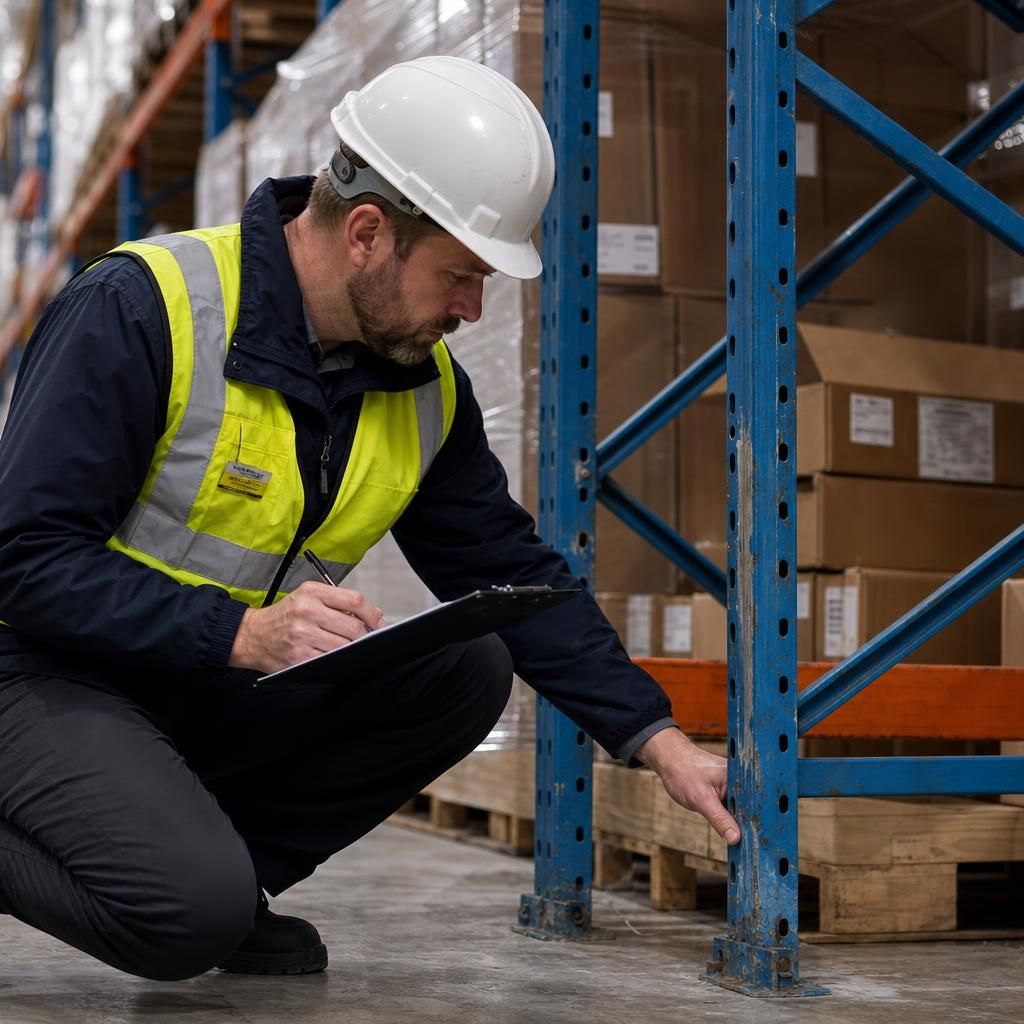
Comprehensive Racking Assessments
A thorough examination of all racking components such as beams, uprights, and baseplates ensures compliance with safety standards and operational efficiency.
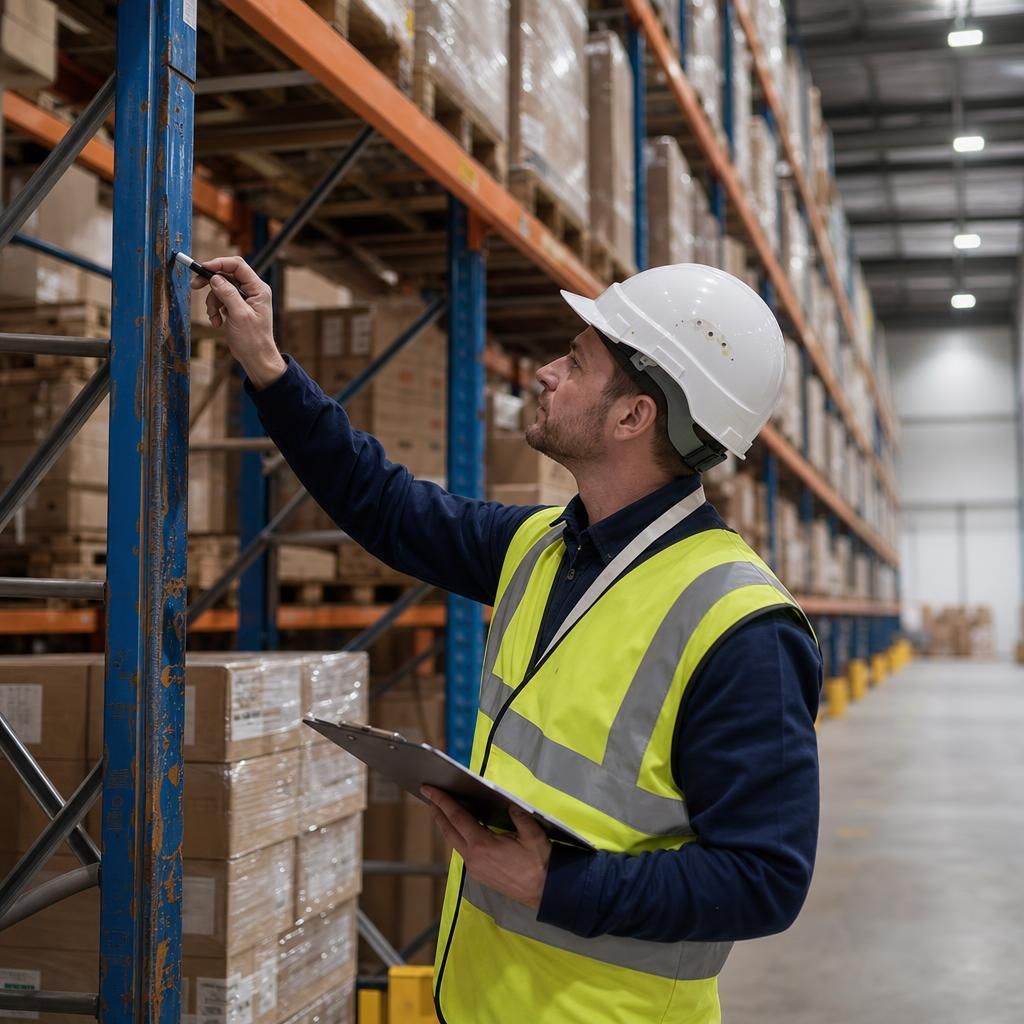
Identifying Structural Damages
Regular inspections identify signs of wear and tear, misalignment, and potential risks that could compromise the structural integrity of the racking system.
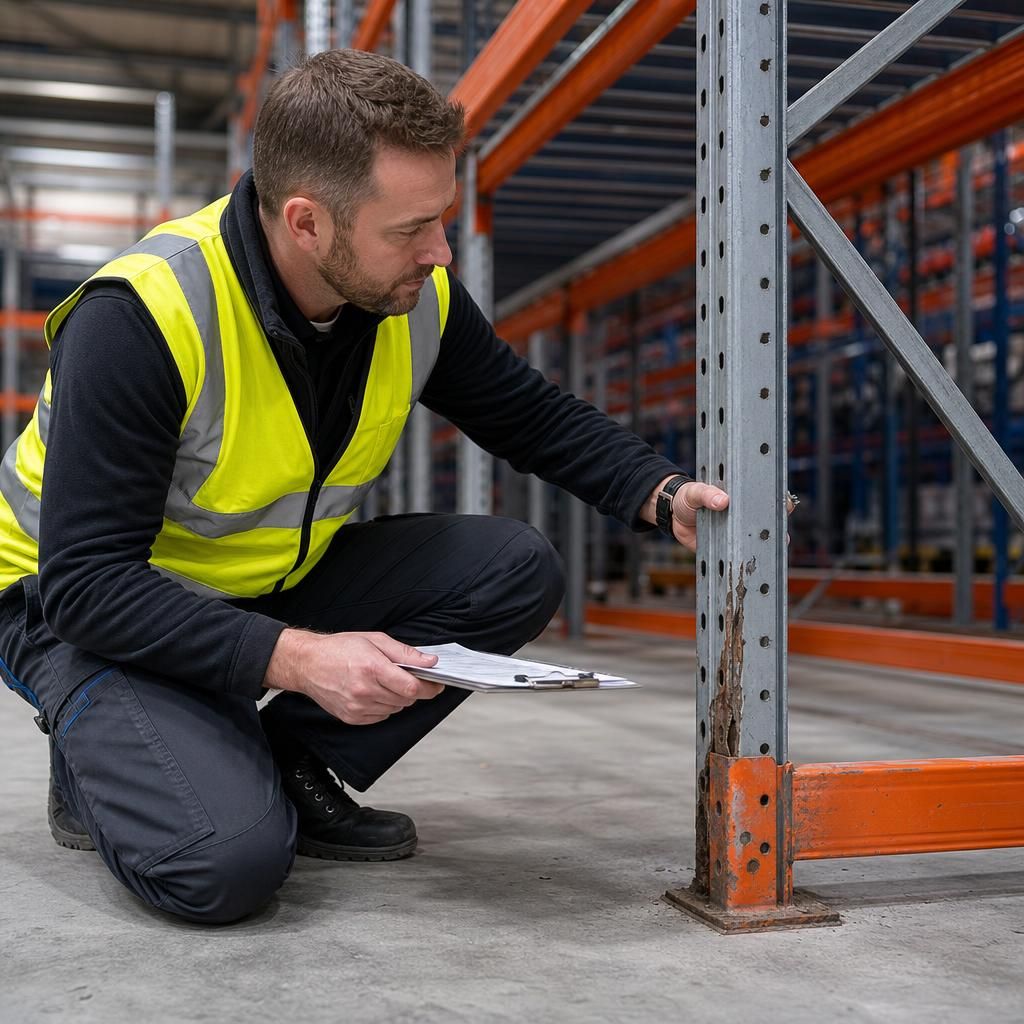
Ensuring Safety and Compliance
By adhering to industry guidelines, regular inspections help maintain compliance with safety regulations, safeguarding both goods and personnel.
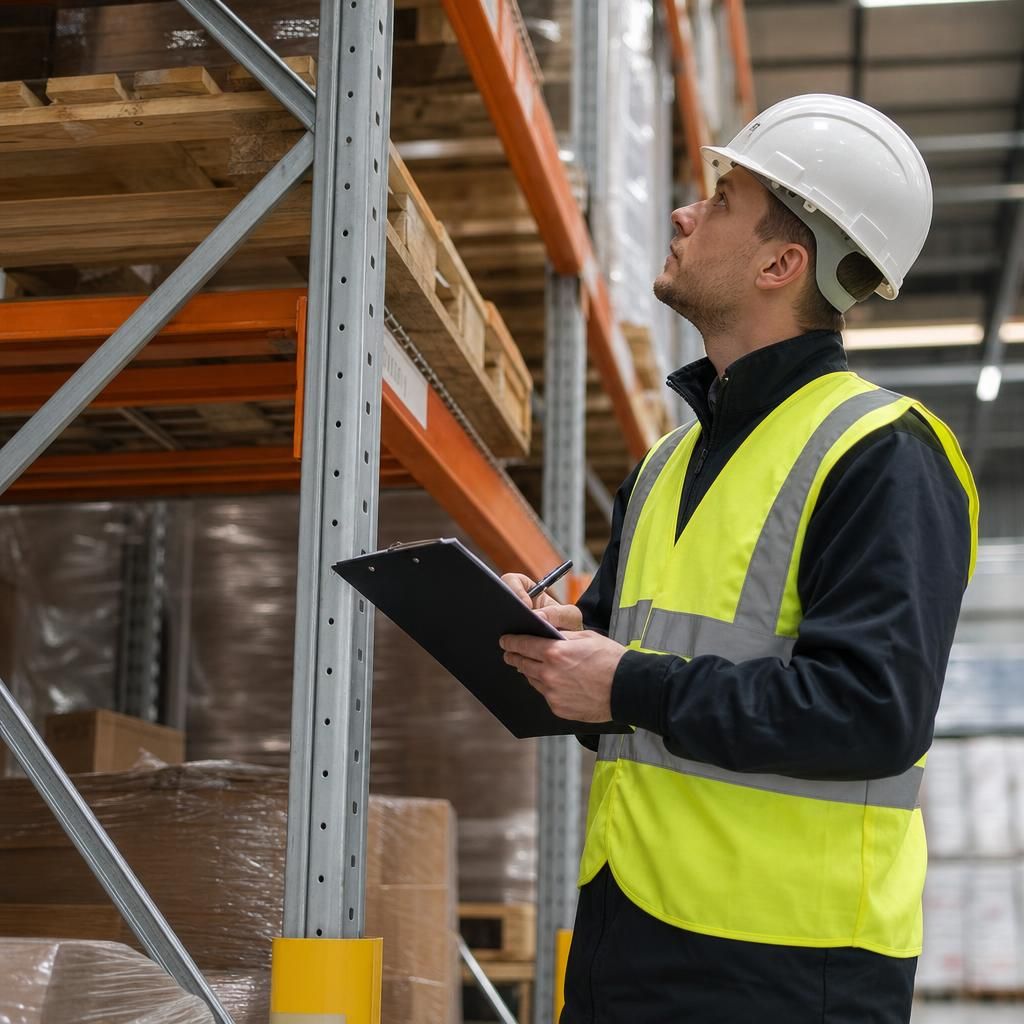
Checking for Load Distribution
Correct load distribution is critical to avoid undue stress on racking systems. This inspection aspect ensures weight is evenly spread across all components.
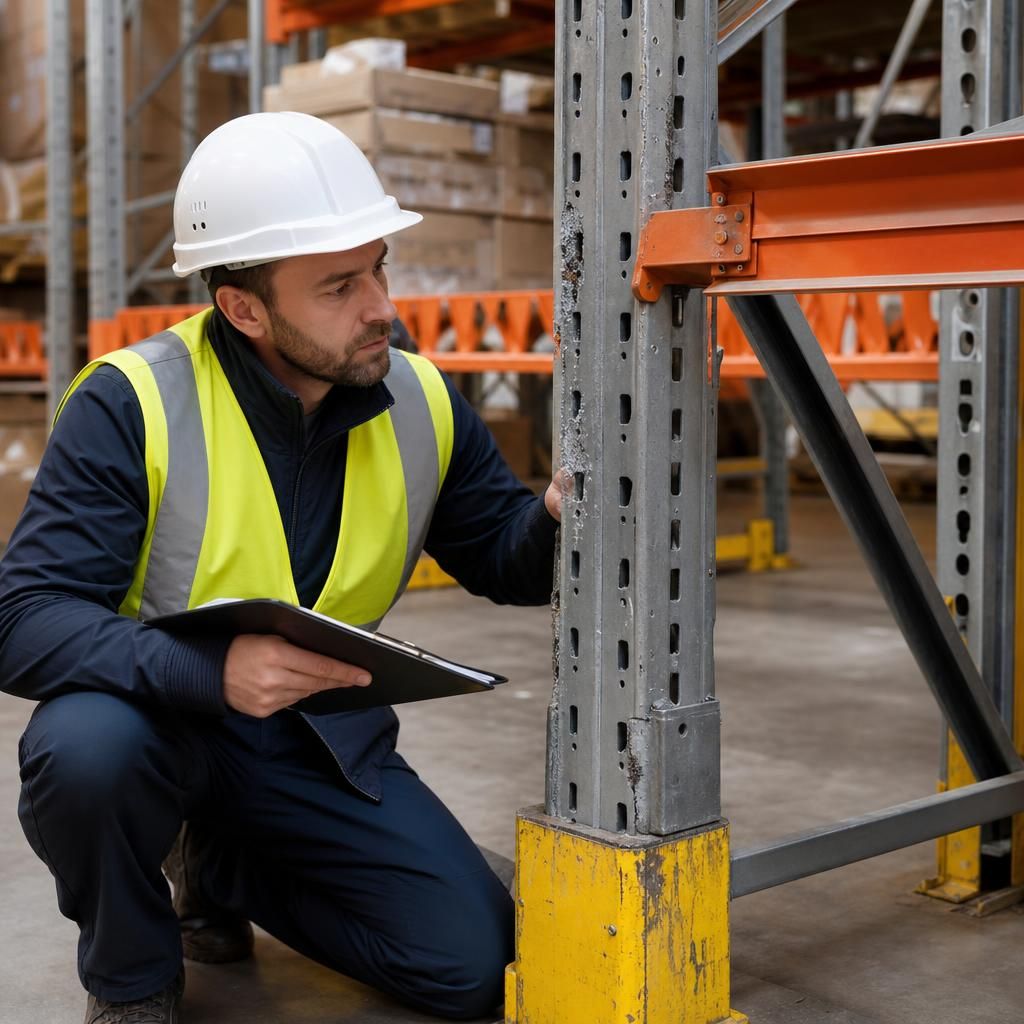
Proactive Maintenance Measures
Inspections emphasize preventative care, identifying potential issues before they escalate, thus prolonging the working life of racking installations.
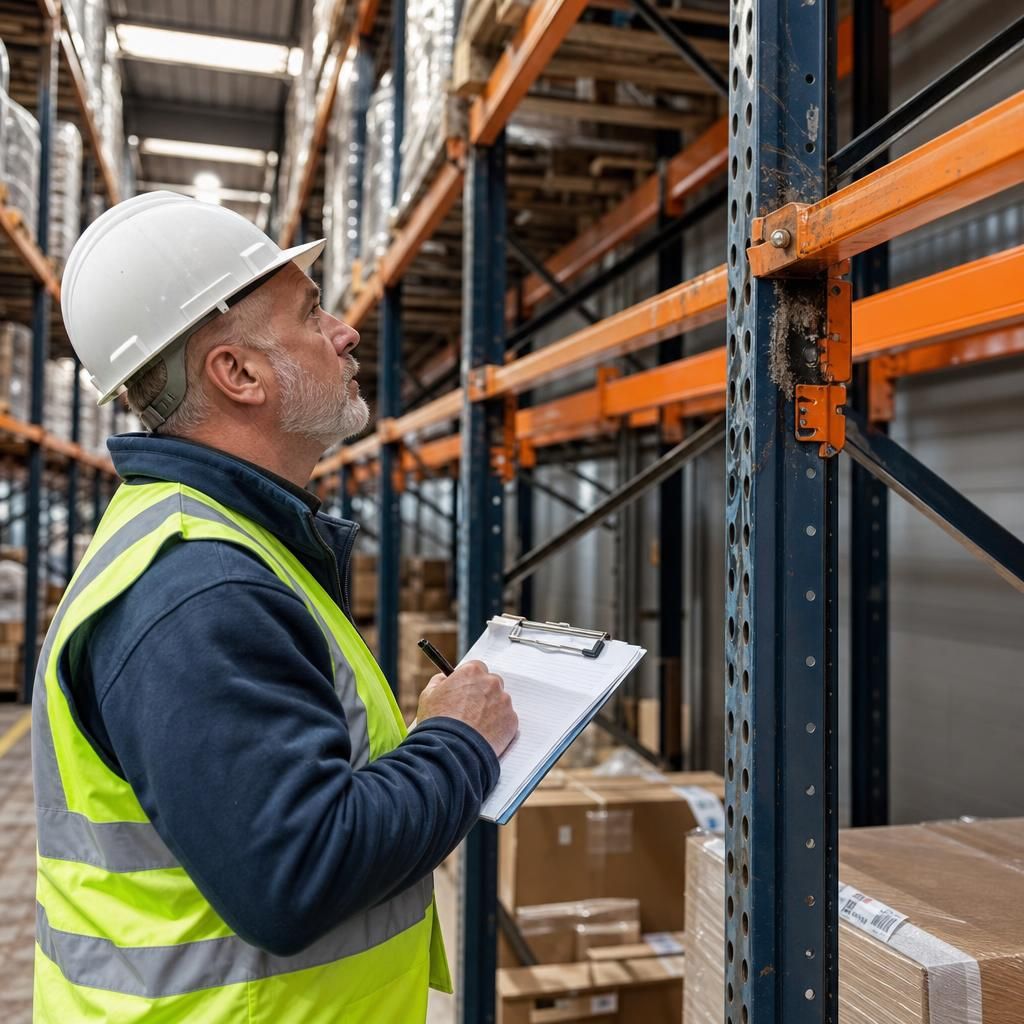
Optimised Operational Efficiency
Maintaining an effective inspection routine supports optimised warehouse operations and minimises disruptions, aligning with best practices for industrial safety.
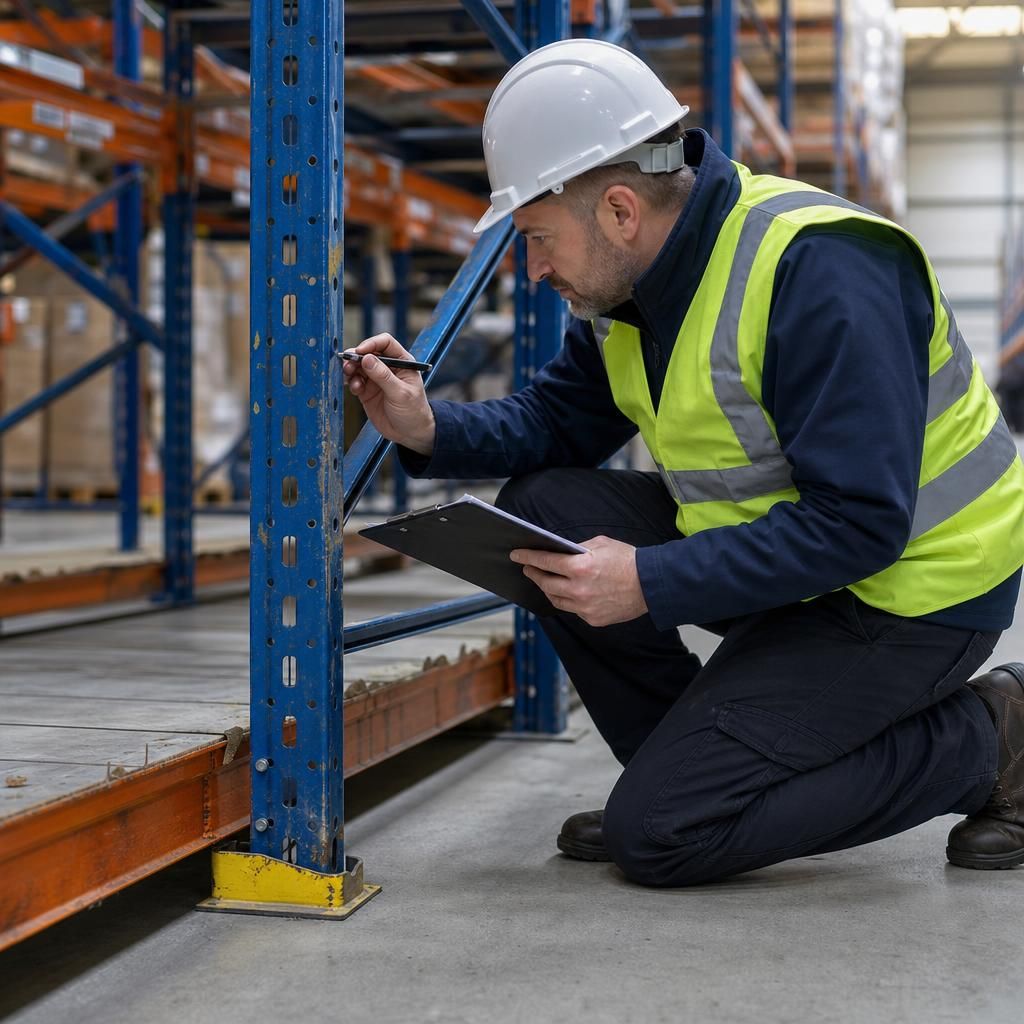
Expert Inspection Personnel
Utilising trained inspectors ensures detailed and accurate assessments, leveraging their expertise to maintain safe and effective warehouse racking systems.
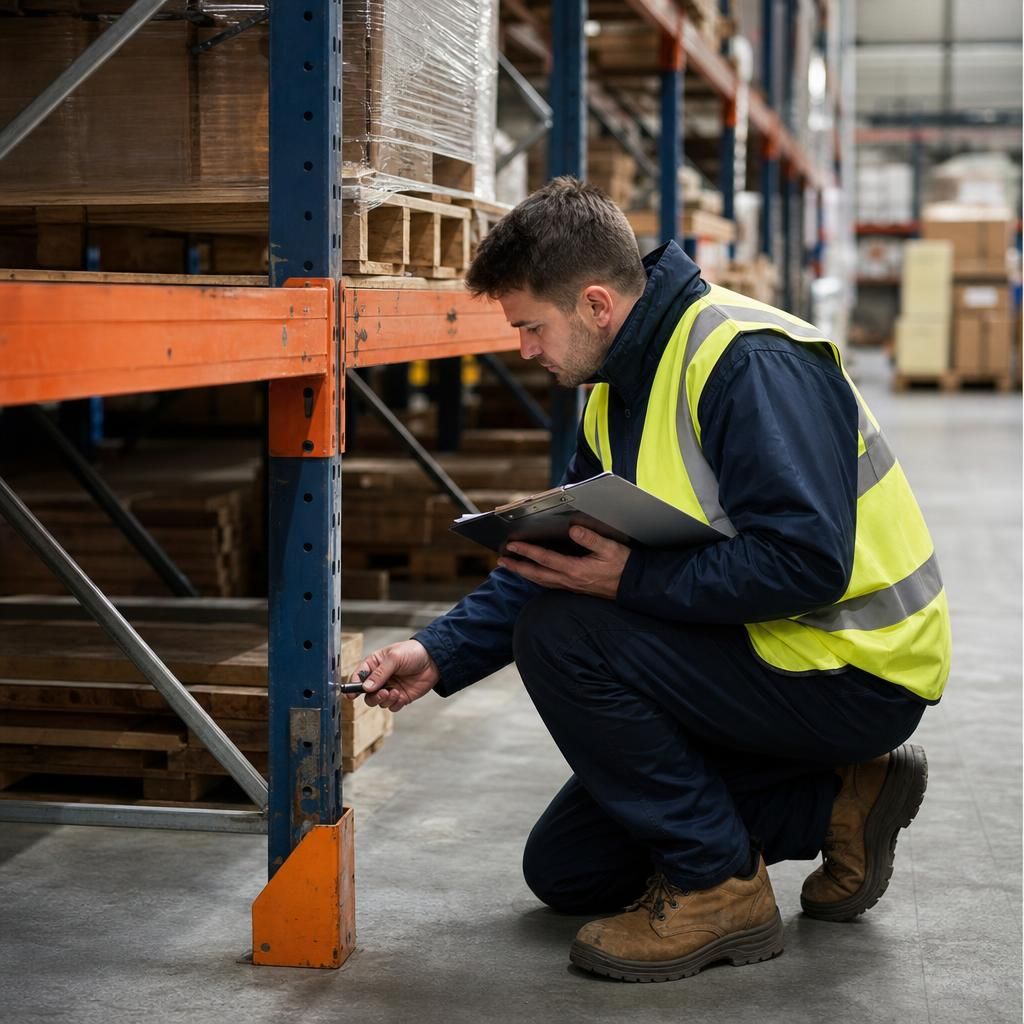
Risk Mitigation Strategies
Effective inspections contribute to mitigating risks by addressing critical areas that could lead to accidents or inventory loss, supporting safer work environments.
Detailed Components of Warehouse Racking Inspection
The warehouse racking inspection process is a critical component of maintaining safe and operational storage systems in industrial environments. It involves the systematic evaluation of warehouse racking structures to identify any possible damages, misalignments, or issues with load distribution that could compromise stability and performance. Key elements of the inspection include checking beams, uprights, connectors, and baseplates for signs of wear and stress. Regular and thorough inspections are essential to ensure compliance with safety standards and to prevent accidents or disruptions in the storage operation.
Deciding on the appropriate frequency and depth of warehouse racking inspections is crucial for effective maintenance. Factors such as the type of materials stored, the frequency of use, and the overall environment of the warehouse can influence the inspection schedule. Businesses must also consider the necessary qualifications of inspectors to ensure accurate assessments and reliable findings. By understanding these elements, industrial clients can make informed decisions that enhance the longevity of their storage systems and support a safe working environment.
Frequency of Inspections
Determining the schedule for warehouse racking inspections is crucial for maintaining safety and compliance.
Setting an Inspection Schedule
The frequency of warehouse racking inspections depends on various factors, including the type of goods stored, the load levels, and usage patterns. Regular inspections might be carried out monthly, quarterly, or annually depending on the risk levels and regulatory requirements. High-pressure environments with heavy use might necessitate more frequent checks to ensure ongoing structural integrity. Setting a clear inspection schedule helps in proactive maintenance, reducing the likelihood of accidents and extended downtime.
Qualified Inspectors
The expertise of inspectors is paramount in conducting thorough and accurate racking inspections.
Importance of Qualified Personnel
Warehouse racking inspections must be conducted by qualified professionals who understand the structural and safety aspects involved. Inspectors need to be knowledgeable about safety regulations, industry standards, and potential risk factors. Their qualifications might include specific training in safety standards such as SEMA or equivalent certifications. A qualified inspector can accurately assess the condition of the racking, ensuring that all safety measures are met and identifying any areas needing attention.
Types of Inspections
Understanding the different types of warehouse racking inspections can guide businesses in choosing the appropriate process.
Routine and Comprehensive Inspections
Warehouse racking inspections typically fall into two categories: routine visual checks and comprehensive audits. Routine inspections involve regular visual assessments by trained staff to identify obvious issues such as physical damage or obstructions. Comprehensive inspections are in-depth audits conducted by certified inspectors, involving detailed examination of all components, load assessments, and structural alignments. Each type of inspection serves a specific purpose, with routine checks providing ongoing oversight and comprehensive audits ensuring complete compliance and safety.
Inspection Tools and Equipment
The tools and equipment used in racking inspections can significantly affect the accuracy and efficiency of the process.
Essential Tools for Inspections
Common tools used during a warehouse racking inspection include measuring tapes for verifying dimensions and alignment, spirit levels for checking structural plumbness, and torque wrenches for ensuring correct tension in bolts. Additional tools might include cameras and recorders for documenting findings. The choice of tools can vary depending on the complexity of the racking system and specific inspection requirements. Using the right tools ensures that inspections are thorough and findings are reliable, supporting the long-term safety and effectiveness of storage systems.
Recording and Reporting Findings
Accurate recording and reporting of inspection findings are vital for tracking maintenance needs and ensuring compliance.
Documentation Processes
During a warehouse racking inspection, findings should be meticulously documented to create a reliable record of the storage system’s condition. Reports typically include details of any identified damage, misalignments, overloading, and recommendations for corrective actions. Accurate documentation provides a reference for future inspections and helps in validating safety compliance. Moreover, detailed reports aid in prioritising maintenance activities and budgeting for necessary repairs, thereby enhancing operational safety and efficiency.
Proven Expertise in Warehouse Racking Safety
The warehouse racking inspection process involves a detailed examination of storage systems to identify potential risks and ensure safety and compliance with industry standards. This inspection includes evaluating the condition of beams, uprights, and other components to detect issues such as wear or misalignment that could affect the structural integrity.
By conducting regular inspections, businesses can minimise risks associated with warehouse operations, thereby enhancing safety and preventing costly disruptions. Qualified inspectors perform these assessments to deliver accurate and reliable findings, reinforcing confidence in the ongoing safety and functionality of the storage environment.
Trusted Expertise in Warehouse Racking Inspections
Certified Inspectors
Our team consists of fully certified inspectors, enhancing trust and reliability in our assessments.
Proven Track Record
We have a long history of successful inspections, ensuring the safety and compliance of racking systems nationwide.
Comprehensive Reports
Detailed inspection reports provide actionable insights to maintain optimal racking conditions.
Safety First Approach
Our primary focus is safeguarding your storage environment through meticulous safety evaluations.
Innovative Solutions
We employ cutting-edge techniques and solutions to address complex racking safety challenges.
Regular Inspection Schedules
Customised inspection schedules ensure timely assessments and uninterrupted warehouse operations.
Industry Recognition
Our consistency in delivering quality has earned us industry-wide recognition and trust.
Rapid Response Repairs
Quick action on repairs reduces downtime and maintains the efficiency of your racking systems.
Why Choose Able Racking for Warehouse Racking Inspections?
Choose Able Racking for unmatched expertise in warehouse racking inspections, ensuring compliance, safety, and seamless operation for your storage systems.
Extensive Industry Experience
Able Racking boasts decades of experience in the warehouse racking industry, highlighting our comprehensive understanding of various racking systems. This extensive background enables us to identify potential safety concerns accurately and offer the best solutions tailored to our clients' needs.
Qualified Inspection Specialists
Our team comprises highly trained and certified inspectors who specialise in warehouse racking systems. Their expertise ensures that every inspection meets the required regulatory standards, providing clients with reliable assessments and peace of mind.
Detailed Reporting and Documentation
We deliver thorough inspection reports that detail the condition of your racking systems, including actionable insights and recommendations for improvement. This documentation is essential for maintaining compliance and supports your operational decision-making processes.
Proactive Maintenance Solutions
Able Racking not only identifies current issues but also anticipates potential problems via proactive maintenance solutions. This approach helps prolong the life of your racking systems and prevents costly repairs and downtime.
Customised Inspection Schedules
Understanding that each warehouse has unique requirements, we offer customised inspection schedules to fit the specific needs of your operations. This adaptability ensures that inspections occur at optimal times, minimising disruption while maximising safety and efficiency.
Commitment to Safety Standards
Safety is at the core of Able Racking's operations. Our services are designed to comply with the latest industry safety standards, ensuring your warehouse racking systems meet all necessary regulations. This commitment helps reduce risks and facilitates a safer work environment.
Experience You Can Trust in Warehouse Racking Safety
Our extensive tenure in the warehouse racking industry underscores our commitment to safety and compliance. With decades of expert experience, Able Racking has established a leading reputation in warehouse racking safety services.
Essential Questions for Effective Racking Inspections
What are the legal and safety standards for warehouse racking inspections in the UK?
Regular warehouse racking inspections identify potential hazards like structural damage or misalignment, ensuring safety and compliance with industry standards, thus preventing costly repairs and operational delays.
What factors should be considered when assessing the structural integrity of warehouse racking systems?
Evaluate material load limits, connection integrity, and upright alignment to ensure warehouse racking structures meet safety and performance standards. Regular assessments help prevent failures and maintain operational safety.
What is the process for scheduling and preparing for a warehouse racking inspection?
To schedule a warehouse racking inspection, contact Able Racking for availability. Prepare by ensuring racking areas are clear of obstructions, providing access to site plans, and detailing specific inspection requirements.
How often should warehouse racking inspections be conducted for optimal safety and compliance?
Warehouse racking inspections should be conducted annually or more frequently based on usage intensity, environmental conditions, and material type. Regular checks ensure safety compliance and minimise risks of structural failure.
What qualifications or certifications should inspectors have for conducting warehouse racking inspections effectively?
Inspectors should be familiar with British warehouse racking standards, hold relevant qualifications in storage system safety, and possess extensive hands-on experience to conduct thorough and accurate warehouse racking inspections.
Answering Your Racking Inspection Queries
What qualifications should a warehouse racking inspector have to ensure safety and compliance?
Our inspection process involves evaluating warehouse racking for damage, wear, and compliance. Regular checks prevent accidents, maintain efficiency, and comply with safety standards, enhancing overall warehouse operations.
How often should warehouse racking systems be inspected for maximum safety and efficiency?
Warehouse racking systems should be inspected every 6 to 12 months, but factors like frequency of use and environmental conditions can necessitate more frequent inspections to ensure safety and efficiency.
What elements are inspected during a typical warehouse racking audit to ensure safety?
Inspectors examine beams, uprights, braces, and connectors for signs of damage or wear to ensure structural integrity, compliance with safety standards, and optimal warehouse racking performance.
What should be included in a detailed warehouse racking inspection report?
A detailed warehouse racking inspection report should include findings on structural integrity, compliance with safety standards, identified damages, corrective actions needed, and recommendations for improving racking performance and safety.
What common compliance standards and regulations should warehouse racking inspections adhere to?
Warehouse racking inspections must comply with standards like the UK Health and Safety Executive (HSE) guidelines and the Storage Equipment Manufacturers Association (SEMA) codes to ensure safety and effectiveness.