
Efficient Mezzanine Lift Systems
Mezzanine lift systems are integral to efficient warehouse operations, enhancing the way goods are transported between levels. These systems are designed to facilitate the safe and reliable movement of items, ensuring seamless access and loading capabilities. Common types include hydraulic lifts, freight elevators, and scissor lifts, each offering unique benefits depending on the specific warehouse requirements. Key considerations for adopting a mezzanine lift system include load capacity, installation space, and compliance with safety standards. By incorporating a mezzanine lift, businesses can optimise workflow and improve overall productivity in multi-tiered storage environments.
Visualise Enhanced Efficiency with Mezzanine Lift Systems
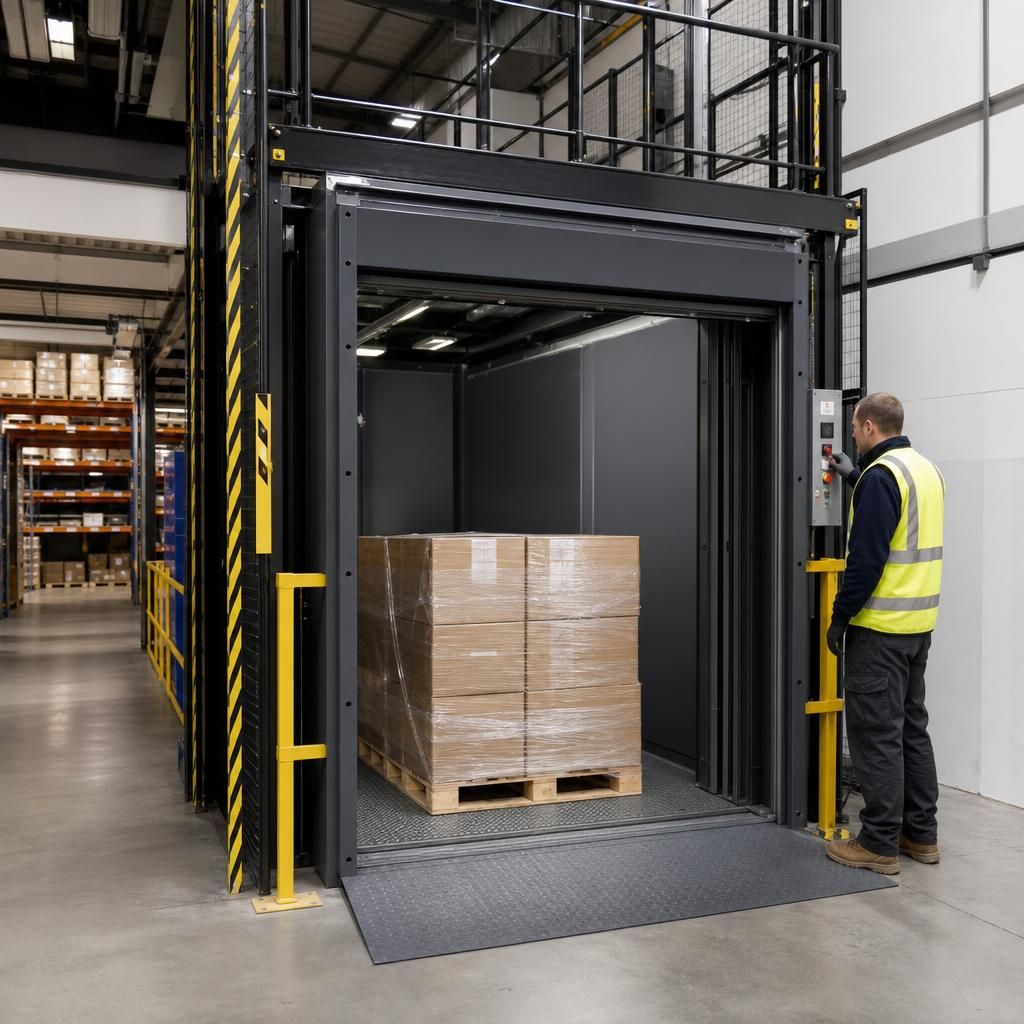
Hydraulic Lift Systems
Hydraulic lift systems utilise fluid pressure to elevate and transport goods between different mezzanine levels. They are renowned for their load-bearing capabilities, making them ideal for warehouses that handle heavy inventory. The integration of hydraulic lifts in a warehouse enhances the efficiency of goods movement and reduces manual labour, streamlining operations.
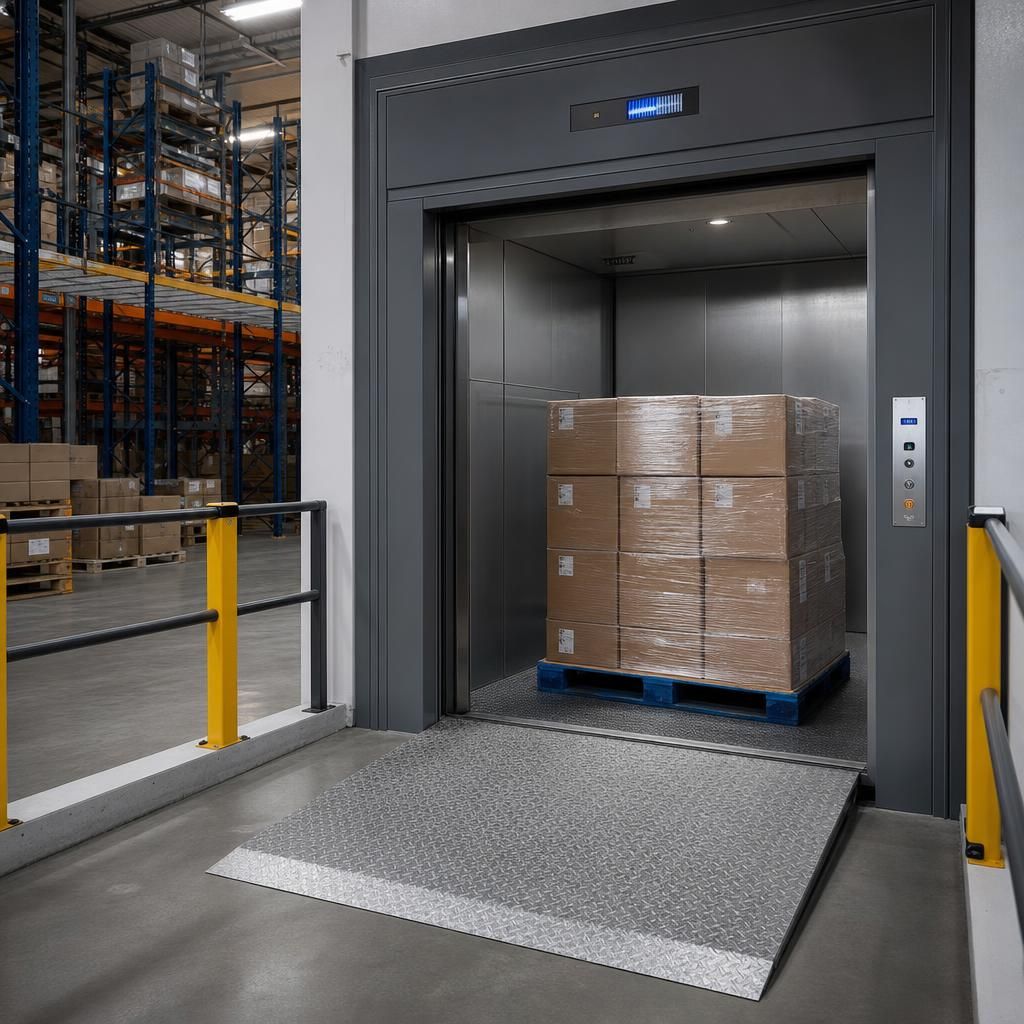
Freight Elevators
Freight elevators are specially designed for transporting large and heavy items between mezzanine floors. Their robust structure supports substantial weight capacities, making them essential for warehouses with bulky materials. They offer reliable vertical transport, ensuring inventory moves seamlessly without risking safety compromises.
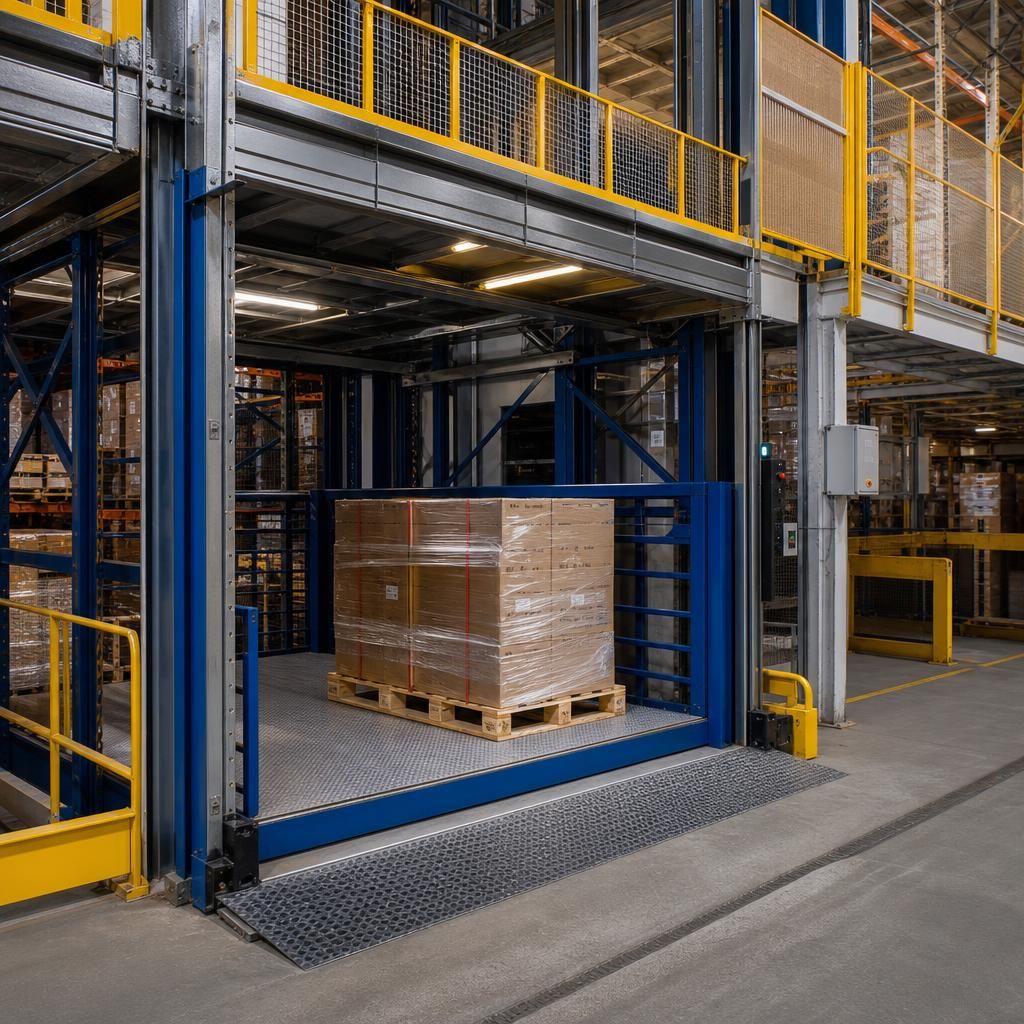
Scissor Lifts
Scissor lifts present a compact and versatile solution for warehouses with space constraints. Known for their ease of installation, these lifts offer a practical approach to elevating goods with excellent stability. Their operation is straightforward, catering to prompt adjustments in multi-story warehouse environments.
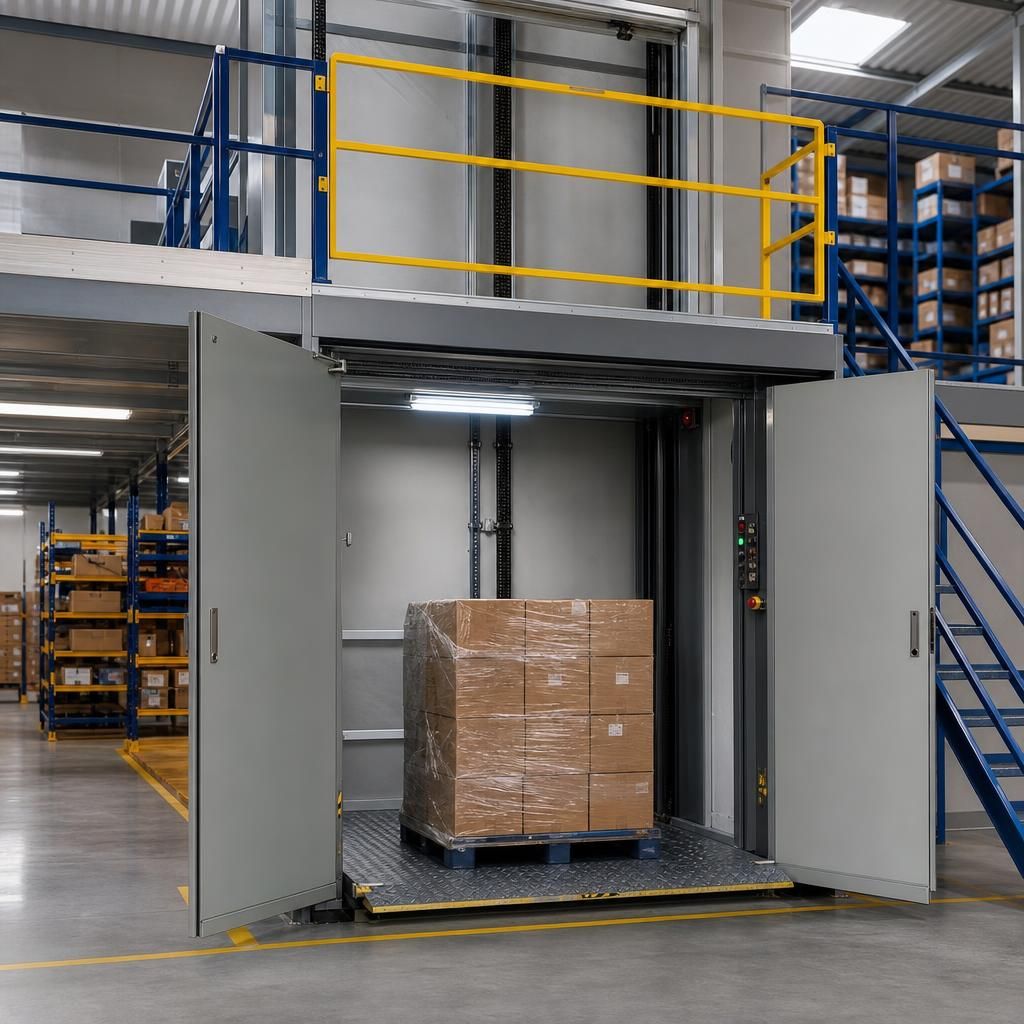
Loading Ramps
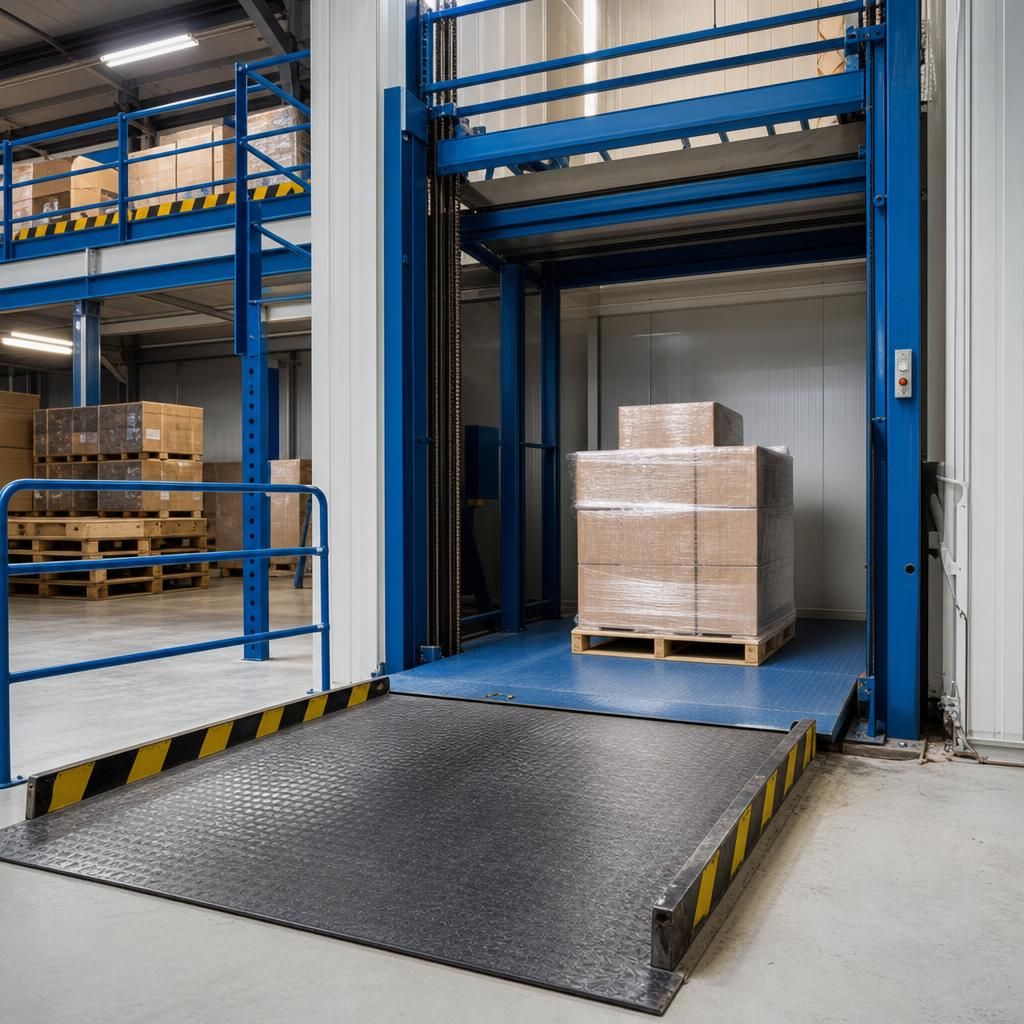
Loading ramps complement mezzanine lift systems by providing a smooth transition for goods being moved onto lifts. They are crucial in facilitating efficient loading and unloading procedures, allowing swift access to mezzanine floors and improving overall workflow in warehouse operations.
Safety Guard Rails
Safety guard rails are an essential safety feature on mezzanine floors equipped with lift systems. They prevent accidental falls and ensure personnel and goods have a secure boundary, maintaining compliance with safety regulations while enhancing operational safety within the warehouse.
Frequently Asked Questions About Mezzanine Lift Systems
Mezzanine lift systems are specialised mechanisms designed for the vertical transportation of goods in industrial and warehouse settings. They play a crucial role in facilitating smooth operations by transferring items between different mezzanine levels, ensuring efficient loading and unloading processes. Common types of mezzanine lifts include hydraulic lifts, which use pressurised fluid to move materials; freight elevators, ideal for heavier loads due to their robust design; and scissor lifts, known for their stability and space-saving benefits. When implementing a mezzanine lift system, factors such as load capacity, installation space, and adherence to safety standards should be carefully considered to ensure optimal performance and compliance.
Practical considerations for choosing the right mezzanine lift system involve understanding the specific needs of your warehouse environment. Evaluate the types and frequency of goods being moved, the spatial constraints, and the level of operator ease required. It’s also essential to factor in maintenance needs and operational reliability. Investing in a system that aligns with these parameters not only enhances productivity but also minimises the risk of accidents, thereby safeguarding your workforce and assets. By prioritising these elements, operations can benefit from improved workflow efficiency and reduced manual handling, leading to streamlined warehouse processes.
What are the common types of mezzanine lift systems?
Various types of mezzanine lift systems are designed to address different warehouse requirements, ensuring efficient vertical movement of goods.
Overview of Various Mezzanine Lift Types
The three most common types of mezzanine lift systems are hydraulic lifts, freight elevators, and scissor lifts. Hydraulic lifts use fluid pressure to move goods and are known for their smooth and precise operation. Freight elevators are robust and capable of handling heavier loads, making them suitable for industrial applications. Scissor lifts, characterised by their stability and compactness, offer an efficient space-saving solution. Each type serves unique functional roles based on specific warehouse needs, including load capacity and installation space.
How does load capacity affect the selection of a mezzanine lift system?
Load capacity is a pivotal factor in choosing a mezzanine lift system, impacting its performance and compatibility with warehouse operations.
Understanding Load Capacity in Mezzanine Lifts
Load capacity refers to the maximum weight a mezzanine lift system can safely handle. Choosing a lift with an appropriate load capacity ensures operational efficiency and safety in handling goods. It’s essential to evaluate the heaviest loads typically moved within your warehouse to match them with a lift capable of supporting the weight. Overloading a lift can lead to mechanical failure and safety hazards. Therefore, selecting a mezzanine lift system with a suitable load capacity is crucial for maintaining productivity and compliance with safety standards.
What are the installation space requirements for mezzanine lifts?
Installing mezzanine lift systems necessitates a thorough understanding of spatial requirements to ensure seamless integration within warehouse environments.
Considering Space for Mezzanine Lift Installation
The installation space for a mezzanine lift system depends on the lift type and its operational dimensions. For instance, scissor lifts generally need less lateral space due to their compact design, whereas freight elevators might require larger shaft dimensions. Evaluating the available space within the warehouse is critical in determining the most suitable type of lift. Additionally, ensuring adequate clearance for safe operation and maintenance access is essential. Proper spatial assessment helps in selecting a lift system that maximises warehouse efficiency without obstructing other operational areas.
How do safety standards impact mezzanine lift systems?
Safety standards play a vital role in the operation and integration of mezzanine lift systems, ensuring they are reliable and secure for warehouse use.
Compliance with Safety Standards for Mezzanine Lifts
Adhering to safety standards for mezzanine lift systems is critical to protect personnel and maintain compliance with industry regulations. These standards dictate design specifications, weight limits, and operational protocols that must be followed. Compliance ensures that the lift systems operate safely, reducing the risk of accidents or equipment failures. It is important for businesses to conduct regular safety audits and maintenance checks to uphold these standards, prioritising worker safety and extending the operational lifespan of the lift systems.
Efficient Mezzanine Lift Systems Explained
Understanding Mezzanine Lift Systems: Mezzanine lift systems are essential for efficiently transporting goods between different levels within a warehouse. Common types include hydraulic, scissor, and freight elevators, each designed to meet specific operational needs. These systems aid in enhancing workflow by reducing manual handling and increasing speed in multi-tiered storage environments.
Key Considerations: When choosing a mezzanine lift system, evaluate load capacity, available installation space, and compliance with safety standards. These factors ensure the system’s suitability and efficiency for your warehouse operations, promoting safety and productivity.
Enhanced Productivity
Mezzanine lift systems streamline the movement of goods, significantly boosting warehouse efficiency.
Safety Compliance
Adhering to safety standards is crucial to prevent accidents in multi-level warehouse environments.
Space Optimisation
Efficient use of space is achieved by installing lifts that accommodate existing warehouse layouts.
Load Capacity Consideration
Select a system capable of handling the weight and volume of your operations to ensure reliability.
System Reliability
Choose a lift with robust performance history to minimise operational downtime and maintenance costs.
Installation Insights
Assess your facility's spatial dimensions to determine the best fit for your mezzanine lift requirements.
Hydraulic Lift Benefits
Hydraulic lifts are ideal for vertical material transport, offering smooth operation and space efficiency.
Regular Maintenance
Scheduled upkeep is crucial to maintain lift system efficiency and prolong its operational lifespan.
Industry-Leading Mezzanine Lift Solutions
Explore our expertise in advanced mezzanine lift solutions and industrial loading systems tailored to enhance vertical logistics and storage efficiency in diverse warehouse settings. Our tailored approach ensures optimised, safe, and robust handling solutions.
Hydraulic Lift Systems
Hydraulic lifts utilise pressurised fluid to facilitate smooth movement between mezzanine levels, offering robust performance for varying load capacities. These lifts are ideal for environments where precise control and reliability are paramount, often preferred for their durability and low maintenance needs.
Freight Elevators
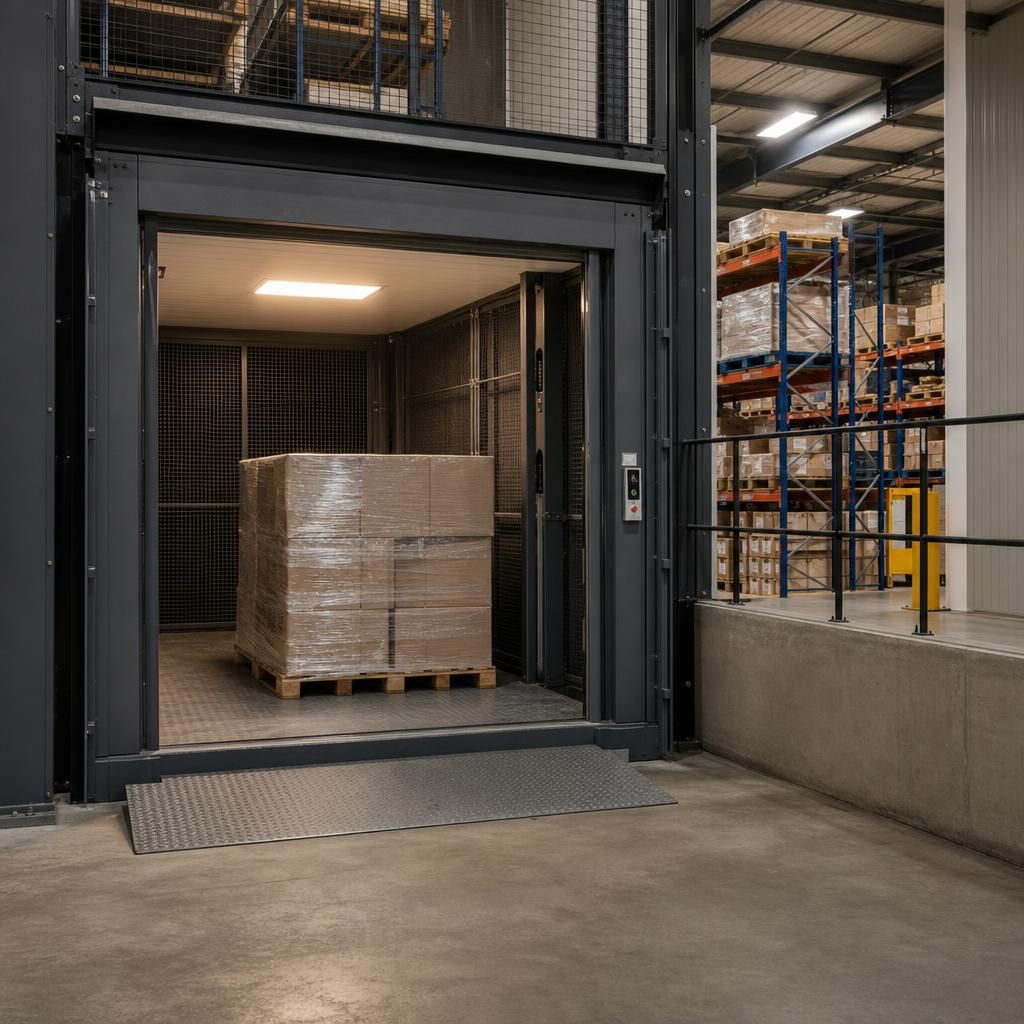
Freight elevators are designed to handle heavy loads efficiently, making them suitable for warehouses with extensive vertical storage needs. These elevators offer spacious cabins and enforced safety features, ensuring secure transit of large goods across floors.
Scissor Lift Mechanisms
Known for their compact form and operational stability, scissor lifts are an excellent choice for environments with limited space. They provide reliable vertical movement, best suited for lighter loads and frequently accessed areas in a warehouse setting.
Safety Compliance
Ensuring adherence to safety standards is critical when implementing mezzanine lift systems. This includes regular inspections, compliance with legislative requirements, and installation of safety features like interlocks and barriers to protect workers and assets.
Operational Efficiency
Optimising lift operations can significantly boost warehouse efficiency by reducing cycle times for loading and unloading processes. Choosing the right system tailored to specific operational needs ensures enhanced productivity and reduced manual handling.
Innovative Design
Investing in modern, well-designed lift systems can improve workflow and adaptability in evolving warehouse environments. Consideration of future-proofing and compatibility with existing infrastructure is essential for long-term operational success.
Maintenance Considerations
Regular maintenance of mezzanine lift systems helps sustain performance and longevity. It's vital to establish a proactive maintenance schedule, ensuring systems remain efficient and reducing the likelihood of costly downtime and repairs.
Trusted Mezzanine Lift Solutions for Seamless Warehouse Operations
Mezzanine lift systems play a crucial role in warehouse logistics, allowing efficient movement of goods between different levels. These lift systems are specifically designed for warehouses with mezzanine floors, facilitating safe and swift vertical transportation. Common types include hydraulic lifts, freight elevators, and scissor lifts, each suited to various load capacities and spatial requirements.
Choosing the right mezzanine lift system involves several key considerations, such as load capacity, installation space, and adherence to safety standards. The selection process also includes assessing the types of goods being moved, their frequency, and how these factors align with the operational flow of the warehouse.
Integration of mezzanine lift systems can significantly enhance productivity by reducing manual handling and improving workflow efficiency. By ensuring compliance with safety norms and selecting the appropriate system type, warehouses can optimise their logistical operations and ensure the safe handling of goods across different levels.
Why Choose Able Racking for Mezzanine Lift Systems
With a commitment to safety and efficiency, Able Racking provides robust and tailored mezzanine lift solutions. Our extensive industry experience and focus on customer-specific needs ensure reliable, compliant, and effective vertical transport solutions in warehouse environments.
Customised Solutions
At Able Racking, we understand that every warehouse has unique needs when it comes to mezzanine lift systems. Our team works closely with you to design and implement lifts that are tailored to your specific load capacities, spatial constraints, and operational requirements.
Compliance with Safety Standards
Safety is paramount in industrial environments, and our mezzanine lift systems are designed to meet all relevant safety regulations and standards. This ensures that your operations are not only efficient but also compliant and secure for all personnel involved.
Experienced Industry Professionals
Our skilled team brings decades of experience in the field of warehouse logistics, giving us a competitive edge in understanding and addressing the challenges associated with mezzanine lift systems. You can trust our expertise to provide optimal solutions for your business.
End-to-End Service
From initial consultation through to installation and ongoing maintenance, Able Racking provides a comprehensive service to ensure the longevity and reliability of your mezzanine lift system. We are committed to supporting your operations with robust and dependable lift mechanisms.
Focus on Efficiency
By equipping your warehouse with our efficient mezzanine lift systems, you can significantly streamline your storage and retrieval processes. This focus on improving logistical efficiency helps reduce manual handling, minimise downtime, and boost overall productivity.
Proven Track Record
Able Racking has a proven history of delivering quality mezzanine lift systems to various industries across the UK. Our reputation for reliability and excellence can give you confidence in our capabilities to enhance your warehouse operations.
Ongoing Support and Training
Beyond installation, we provide continuous support and training to your staff, ensuring that they are equipped to operate the mezzanine lift systems safely and effectively. Our comprehensive approach guarantees minimal disruptions and maximised performance.
Frequently Asked Questions About Mezzanine Lift Systems
What types of mezzanine lift systems are available, and how do they differ?
Mezzanine lift systems enable the safe transport of goods across different mezzanine levels, optimising space and efficiency in warehouses by eliminating manual handling.
How do mezzanine lift systems improve warehouse safety?
Mezzanine lift systems enhance warehouse safety by reducing manual handling risks and ensuring secure goods movement between levels, adhering to safety standards and minimising accident potential through efficient design.
What are the key maintenance considerations for mezzanine lift systems?
Regular inspections and lubrication are essential to maintain mezzanine lift systems, ensuring seamless operation and safety compliance. Address wear and tear promptly to minimise downtime and extend the equipment's lifespan.
What are the space requirements for installing a mezzanine lift system?
Space requirements for mezzanine lift systems typically include assessing the floor area and height clearance. Ensure adequate room for installation, operation, and maintenance while adhering to safety regulations and structural support specifications.
What safety standards must mezzanine lift systems comply with?
Mezzanine lift systems must adhere to UK safety standards, including the Machinery Directive, to ensure safe operation. Compliance with regulations ensures the protection of workers and efficient logistical operations.
Essential Questions Before Choosing Your Mezzanine Lift System
What are the safety regulations and compliance standards for mezzanine lift systems in the UK?
Mezzanine lift system costs vary based on type, size, and complexity, but investing in quality can reduce maintenance expenses and downtime, improving overall warehouse efficiency.
What maintenance procedures are essential for ensuring the longevity of mezzanine lift systems?
Regularly inspect mechanical parts, lubricate moving components, and test safety features to ensure efficient operation and compliance with safety standards, preventing costly repairs and extending system lifespan.
How do mezzanine lift systems affect warehouse operational efficiency and productivity?
Mezzanine lift systems streamline material handling, reducing manual labour, and enhancing workflow efficiency. They improve safety and storage organisation, directly boosting productivity in multi-level warehouse environments.
How do I choose the right type of mezzanine lift system for my warehouse's specific needs?
Consider your warehouse's load capacity, spatial constraints, and operational demands to select the right mezzanine lift system, ensuring efficiency, safety, and compliance with industry standards.
What steps are involved in the installation process for mezzanine lift systems?
The installation of mezzanine lift systems involves site assessment, permit acquisition, structural preparation, and final installation, ensuring alignment with safety standards and operational requirements for efficient vertical transport in multi-level warehouses.