
Racking Inspection Requirements & Frequency
Understanding racking inspection requirements and frequency is crucial for ensuring warehouse safety and maintaining compliance with industry regulations. Regular inspections focus on identifying potential hazards, structural issues, and wear that could compromise the integrity of pallet racking systems. Through routine checks, businesses can address minor issues before they evolve into significant problems, thereby extending the lifespan of their warehouse racking and safeguarding inventory and personnel. Key components of these inspections include assessing load capacity, stability, and alignment. Implementing a structured inspection schedule can significantly enhance operational efficiency and security.
Trusted Racking Inspection Expertise and Proven Results
With over 15,000 successful racking inspections and hundreds of installations annually, Able Racking’s expertise ensures your warehouse operations remain efficient and secure. Trust in our proven track record of excellence and comprehensive service offerings.
Comprehensive Insights into Warehouse Racking Inspection Requirements
Warehouse racking inspection requirements are essential for maintaining the safety and structural integrity of storage systems within industrial settings. These inspections are designed to identify and evaluate any potential risks or issues with pallet racking systems, such as damage, load imbalance, or undue stress on structural components. By adhering to a regular inspection routine, businesses can pre-emptively address these issues before they evolve into major concerns, thus ensuring compliance with safety standards and minimising potential disruptions to operations.
Able Racking advocates for a systematic approach to racking inspections, emphasising the importance of understanding key components like load capacity, rack stability, and structural alignment. Frequent inspections allow for the early detection of signs of wear or damage that, if left unchecked, could compromise the efficiency and safety of a warehouse facility. Inspectors focus on various aspects, including visual damage assessment, bolt and beam checking, and ensuring racks are upright and correctly aligned, in accordance with industry best practices.
Incorporating a robust inspection schedule into your warehouse management processes offers numerous benefits, including prolonged racking lifespan, reduction in costly repairs, and enhanced safety for both inventory and personnel. Organisations must remain vigilant and proactive, adopting a blend of internal checks and professional third-party inspections to uphold high standards of safety and operational integrity. With consistent monitoring and maintenance, businesses can optimise their storage operations and contribute to a safer industrial environment.
Take the First Step Towards Safer Racking
Implementing regular warehouse racking inspections is critical for ensuring safety and compliance with industry regulations. These checks focus on detecting hazards, structural issues, and wear in pallet racking systems. By addressing minor issues promptly, facilities can prevent major disruptions and enhance operational efficiency.
- Ensure Safety: Regular inspections can identify risks, preventing accidents and ensuring a safe working environment.
- Maintain Compliance: Adhering to inspection requirements ensures compliance with safety standards, avoiding potential legal penalties.
- Optimise Operations: A structured inspection schedule helps in maintaining the performance and longevity of racking systems.
Take proactive measures and incorporate inspections into your warehouse management to safeguard inventory and personnel effectively.
Results You Can Achieve with Comprehensive Racking Inspections
Comprehensive warehouse racking inspections ensure structural integrity, compliance, and safety. By identifying potential hazards and maintenance needs, regular inspections help prevent costly disruptions and extend the life of your storage systems, optimising overall operational efficiency.
Ensure Occupational Safety
Regular racking inspections are pivotal in identifying and mitigating risks, thus significantly reducing the likelihood of workplace accidents. By addressing structural issues early, businesses can maintain a safe working environment for staff, thereby fostering trust and confidence in their safety protocols.
Maintain Compliance with Regulations
Adhering to a routine inspection schedule ensures compliance with necessary safety regulations and industry standards. This proactive approach helps businesses avoid potential fines or legal repercussions, safeguarding their reputation and ensuring smooth operations.
Prolong the Lifespan of Racking Systems
Routine inspections can identify wear and tear or damage that, if left unchecked, could lead to more severe issues. By addressing these concerns promptly, businesses can extend the life of their racking systems, ensuring they serve their storage needs effectively and efficiently for longer periods.
Enhance Operational Efficiency
By identifying and rectifying weaknesses in racking structures, businesses can optimise the performance of their storage systems. This ensures that inventory management is smooth, reducing the chances of disruptions in the supply chain and promoting efficient warehouse operations.
Cost-Effective Maintenance Strategy
Regular inspections allow for the early detection and repair of minor issues, which can be far more cost-effective than dealing with major repairs or replacements. By investing in routine checks, businesses can avoid unexpected expenses and maintain their budgetary goals.
Streamlined Insights for Effective Racking Inspections
Understanding warehouse racking inspection requirements is essential for maintaining safe and compliant storage environments. By regularly checking structural integrity, load capacity, and alignment, businesses can mitigate risks, ensure compliance, and maximise racking system longevity.
Regular Inspection Schedule
Establish a consistent inspection routine to maintain your warehouse racking systems. Regular checks help detect early signs of wear or damage, ensuring long-term safety and compliance.
Assessing Load Capacity
Evaluate the load capacity of your pallet racking systems during inspections. Improper loading can lead to structural failure, so ensure it aligns with the specifications to avoid safety hazards.
Stability Checks
Ensure the stability of your racking structures by verifying proper anchoring and securing mechanisms. Regularly inspect for any loose bolts or connections as part of your safety protocol.
Identify Structural Damage
Look for signs of structural damage such as dents, bends, or breaks in the racking components. Identifying these issues early can prevent accidents and costly repairs.
Alignment Verification
Keep racking systems aligned properly by checking vertical and horizontal positioning. Misaligned racks can compromise safety and decrease operational efficiency.
Documentation and Reporting
Maintain detailed records of all inspections, noting any issues and corrective actions taken. Proper documentation not only helps in compliance but also in identifying recurring problems.
Training Inspection Personnel
Ensure staff conducting inspections are properly trained to identify potential racking issues. Well-trained personnel are crucial for executing effective and accurate inspections.
Comprehensive Expertise in Warehouse Racking Inspections
Warehouse racking inspection requirements are essential guidelines that ensure the safety and efficiency of storage systems in industrial environments. These inspections are designed to identify any potential hazards, structural deficiencies, or wear in pallet racking systems that could jeopardize the safety of stored products and personnel. By routinely assessing these elements, businesses can proactively address minor issues before they escalate, helping to maintain safe and optimised warehouse operations.
A common aspect of racking inspections involves evaluating the load capacity of each segment to ensure it meets specified limits. This is crucial as it prevents overloading, which could lead to racking collapse. Additionally, inspections examine the stability and alignment of racks to prevent tilting or bending that might compromise the system’s integrity.
Regularly scheduled inspections also help businesses comply with relevant health and safety regulations, thus avoiding potential legal complications. By integrating these inspections into warehouse management practices, companies can enhance the performance and longevity of racking systems while ensuring a secure working environment.
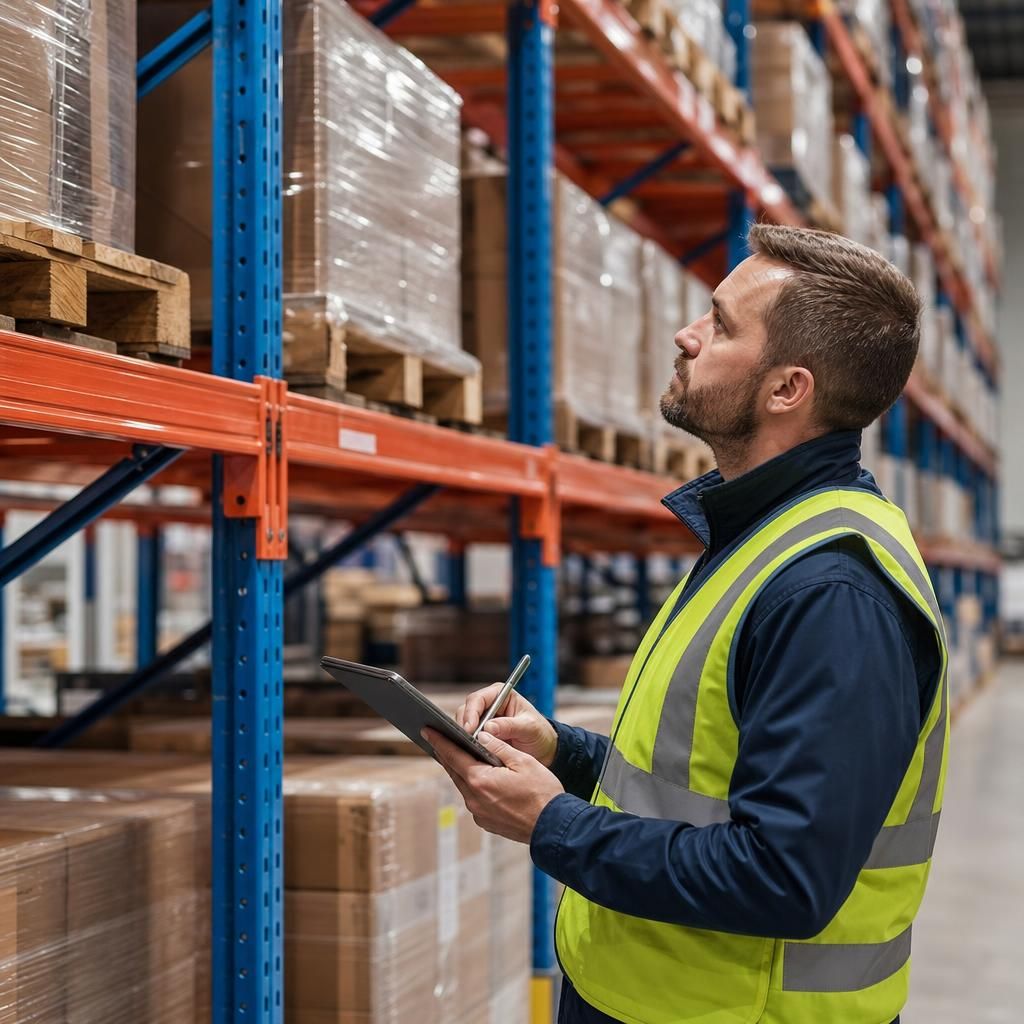
Trust in Proven Racking Safety Expertise
Build confidence in your warehouse operations by ensuring your racking systems meet inspection guidelines. Trust in expert evaluations for reliable, safe, and compliant storage solutions. Schedule your next inspection to guarantee optimal racking performance and safety.
Frequently Asked Questions on Racking Inspection Requirements
What are the key components of a warehouse racking inspection?
Racking inspections target structural integrity and load compliance, ensuring safety and efficiency. Conduct routine checks to identify potential issues, improving longevity and avoiding costly repairs or safety incidents.
How often should warehouse racking inspections be conducted?
Warehouse racking inspections should be conducted at least annually to ensure compliance and safety. However, higher usage or risk factors may necessitate more frequent evaluations for optimal performance.
What should be included in a racking inspection checklist?
A racking inspection checklist should include assessments of load capacity, stability, alignment, and any visible damage to components. This ensures compliance with safety standards and optimises warehouse operations.
What are the signs that indicate a need for immediate racking inspection?
Uneven racks, leaning frames, or damaged beams are signs that warrant immediate warehouse racking inspection. Prompt evaluation ensures safety, prevents structural failures, and maintains compliance with industry standards.
What are the common issues identified during warehouse racking inspections?
Common issues identified during warehouse racking inspections include load capacity breaches, structural damage, misalignment, and corrosion. Regular checks ensure racking systems remain safe and compliant with industry standards, preventing costly downtimes.
Safety Assurance
Conduct regular warehouse racking inspections to maintain safety, compliance, and efficiency, safeguarding both inventory and personnel from potential hazards.
Key Questions About Racking Inspection Requirements
What are the most common issues identified during warehouse racking inspections?
To ensure safety and compliance, warehouse racking inspections must focus on checking load capacity, stability, and alignment, helping prevent structural failures and safeguarding both inventory and personnel.
How often should warehouse racking inspections be conducted?
Warehouse racking inspections are typically recommended at least once a year. However, high-usage facilities or those with frequent modifications should consider more frequent checks to maintain optimal safety and compliance.
What qualifications should a warehouse racking inspector have?
A qualified warehouse racking inspector should possess relevant certifications, such as SEMA-approved qualifications, and have extensive industry experience to ensure comprehensive, reliable inspections that meet safety and compliance standards.
What are the consequences of neglecting regular warehouse racking inspections?
Neglecting regular warehouse racking inspections can result in unforeseen structural failures, increased liability risks, compliance breaches, and potential injury to personnel, ultimately leading to financial loss and operational disruptions.
What tools or equipment are essential for conducting warehouse racking inspections effectively?
Key tools include a spirit level, tape measure, plumb bob, and torch to check warehouse racking load capacity, stability, and alignment effectively during inspections.