
Comprehensive Warehouse Racking Solutions
Warehouse racking is fundamental in optimizing storage space efficiency and maintaining safe, organized inventory systems in industrial environments. It involves the use of various racking systems designed specifically to store pallets, materials, and products in warehouses, distribution centres, and similar facilities. Common types of warehouse racking include selective pallet racking, cantilever racking, and drive-in racking, each tailored for different storage needs and space configurations. Key considerations in selecting a warehouse racking system involve assessing load capacity, space utilization, and accessibility, ensuring that operations run smoothly while adhering to safety standards. Understanding the specific requirements of your warehouse is crucial in choosing the right racking solution to enhance operational efficiency and reduce storage costs.
Trusted Assurance
Able Racking stands as a beacon of reliability in the world of warehouse racking safety services. With a focus on detailed safety audits and skilled repairs, our team ensures that every racking system adheres to the highest standards, offering peace of mind to all our clients nationwide.
Expertise in Enhancing Warehouse Racking Systems for Maximum Safety and Efficiency
Warehouse racking systems are essential frameworks designed to maximize storage efficiency in industrial settings. They support the weight and organization of stacked inventory, offering solutions for pallet storage, material handling, and product accessibility. Common systems include selective pallet racking, which allows direct access to each pallet, and drive-in racking, which optimizes space by allowing forklifts to enter the rack structure. These systems are vital in warehouses, distribution centres, and storage facilities to maintain order and safety.
Selecting the right warehouse racking system requires careful assessment of load requirements, available space, and material flow. Factors such as load capacity, durability, and accessibility play a crucial role in system efficiency. Additionally, understanding operational dynamics, including inventory turnover and seasonal variations, helps in tailoring the racking solution to specific warehouse needs.
Proper maintenance of warehouse racking is equally important to ensure longevity and safety. Regular inspections, adherence to safety regulations, and timely repairs of any damage are critical measures. Implementing these practices not only enhances the safety but also extends the lifecycle of racking systems, ultimately contributing to a well-functioning, efficient warehouse environment.
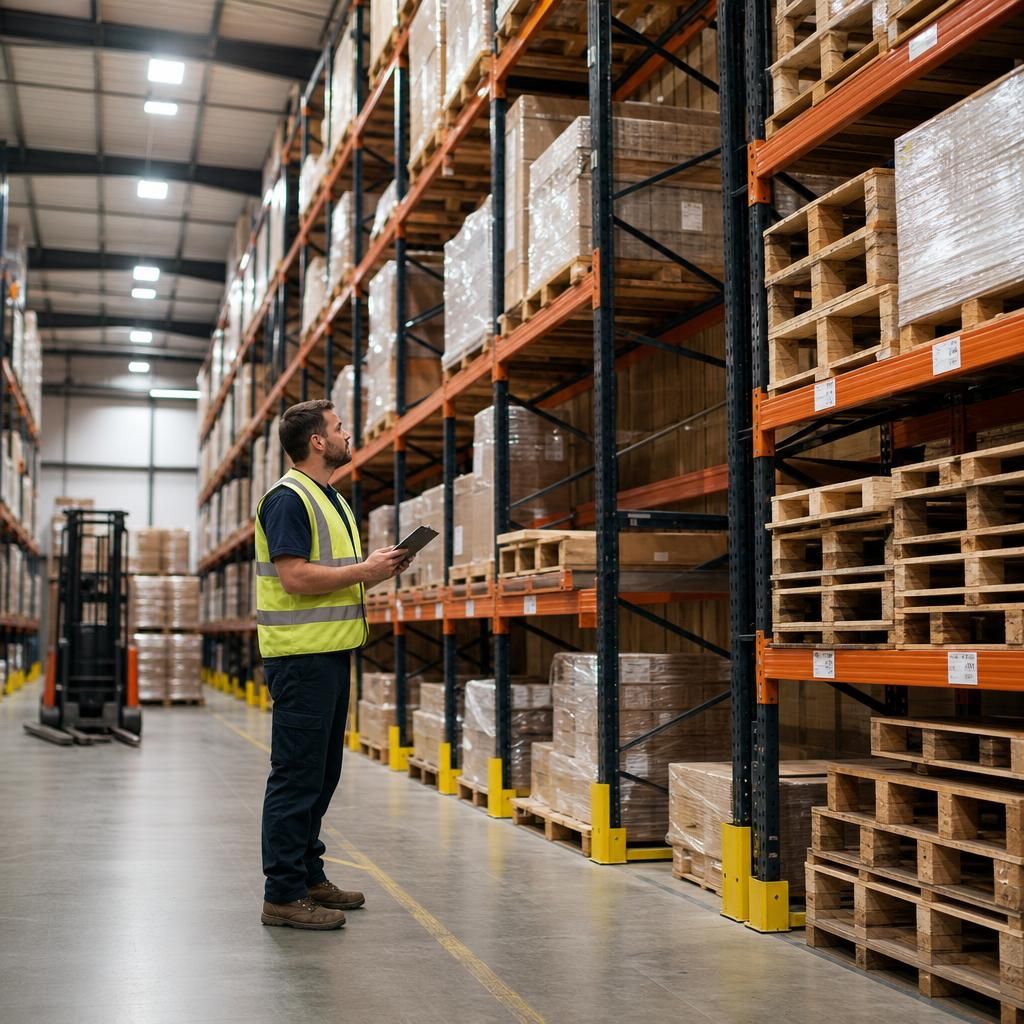
Industry-Leading Expertise in Warehouse Racking Solutions and Safety
Able Racking boasts over 20 years of dedicated service in warehouse racking safety, providing expert assessments and preventative care to address the evolving needs of industrial storage systems. Our team’s extensive experience ensures compliance and optimised performance, supporting a vast range of storage environments nationwide.
The Importance of Optimal Warehouse Racking Selection
Warehouse racking is a critical component in organizing and optimizing space in industrial and storage environments. These systems support the efficient storage and retrieval of materials, ensuring safety and accessibility in warehouses, distribution centres, and production facilities. Various racking types exist to cater to specific needs; selective pallet racking allows direct access to each pallet, while cantilever racking is ideal for storing long or bulky items such as lumber or pipes. Understanding the differences between these systems is essential for selecting the most suitable solution for your warehouse.
The selection of a warehouse racking system should consider load capacity, available space, and material handling procedures. Adequate racking systems improve safety and workflow, enabling efficient inventory management and reducing the risk of workplace accidents. Systems such as drive-in racking maximise space by allowing forklifts to operate within the rack structure, which is advantageous in environments with high-density storage needs. Conducting a thorough assessment of your warehouse’s specific requirements will aid in implementing a racking solution that enhances productivity while maintaining structural integrity.
Regular maintenance and inspection are vital for the longevity and safety of warehouse racking systems. Over time, wear and tear can compromise structural integrity, necessitating prompt repairs to prevent accidents. Adhering to established safety standards and regulations not only extends the lifespan of the racking but also contributes to a safer work environment. These preventative measures ensure that your racking system remains efficient, reducing both operational costs and the potential for storage system failures.
Common Questions About Warehouse Racking Systems
What is selective pallet racking and how does it benefit my warehouse operations?
Warehouse racking enhances storage efficiency by organizing materials for easy access and inventory management. Key considerations include load capacity, safety compliance, and available space to meet specific operational needs.
How can proper warehouse racking inspections improve safety and efficiency?
Regular warehouse racking inspections ensure structural integrity, identify potential hazards, and maintain compliance with safety standards, thus enhancing operational efficiency and reducing the risk of accidents and costly repairs.
What are the benefits of using drive-in racking systems for high-density storage?
Drive-in racking systems optimize high-density storage by enabling forklifts to access multiple pallet positions within a single aisle, maximizing space utilization while maintaining structured inventory control.
How does cantilever racking support specialized storage needs in my warehouse?
Cantilever racking is engineered to store long, bulky items like timber or pipes, accommodating varying lengths without vertical obstructions. It optimizes space while ensuring accessibility, making it essential for specialised storage.
What role does warehouse racking system flexibility play in adapting to changing storage needs?
Flexible warehouse racking systems allow seamless adaptation to evolving storage needs by adjusting configurations, maximizing available space, and accommodating various inventory types, facilitating efficient operations and improved storage management.
Secure Your Warehouse Efficiency with Professional Racking Solutions
Optimise your warehouse operations by selecting the right warehouse racking systems. These systems are vital in managing space and ensuring the safe storage of materials. From selective pallet racking, which offers easy access to individual pallets, to cantilever racking ideal for long or bulky items, choosing the right type for your needs is crucial. Effective racking solutions accommodate load capacity and available space, enhancing safety and efficiency. Regular maintenance and inspections are further essential to uphold safety standards, prolonging system lifespan and preventing potential hazards.
Answers to Common Warehouse Racking Questions
What are the key considerations when choosing a warehouse racking system?
To choose a suitable warehouse racking system, assess load capacity and space constraints. Selective pallet racking offers easy access, while drive-in racking maximizes space. Regular inspections ensure safety and longevity.
How often should warehouse racking be inspected for safety compliance?
Warehouse racking should be inspected every 6 to 12 months for safety compliance. Regular checks prevent accidents, identify damage early, and ensure adherence to industry safety standards, thus maximizing efficiency.
What are the benefits of maintaining a regular warehouse racking inspection schedule?
Maintaining a regular warehouse racking inspection schedule improves safety, extends system lifespan, and prevents costly repairs, ultimately ensuring efficient operations by identifying and addressing potential issues proactively.
What types of warehouse racking systems offer the best space utilization?
Drive-in racking and narrow aisle racking systems maximise space utilisation by accommodating more pallets within a smaller area, providing efficient storage solutions for warehouses with constrained spaces.
How can automation improve warehouse racking efficiency?
Automation in warehouse racking streamlines inventory management, enhances precision, and reduces labour costs. Automated systems facilitate faster order picking, real-time stock tracking, and efficient space utilization, improving overall operational efficiency.