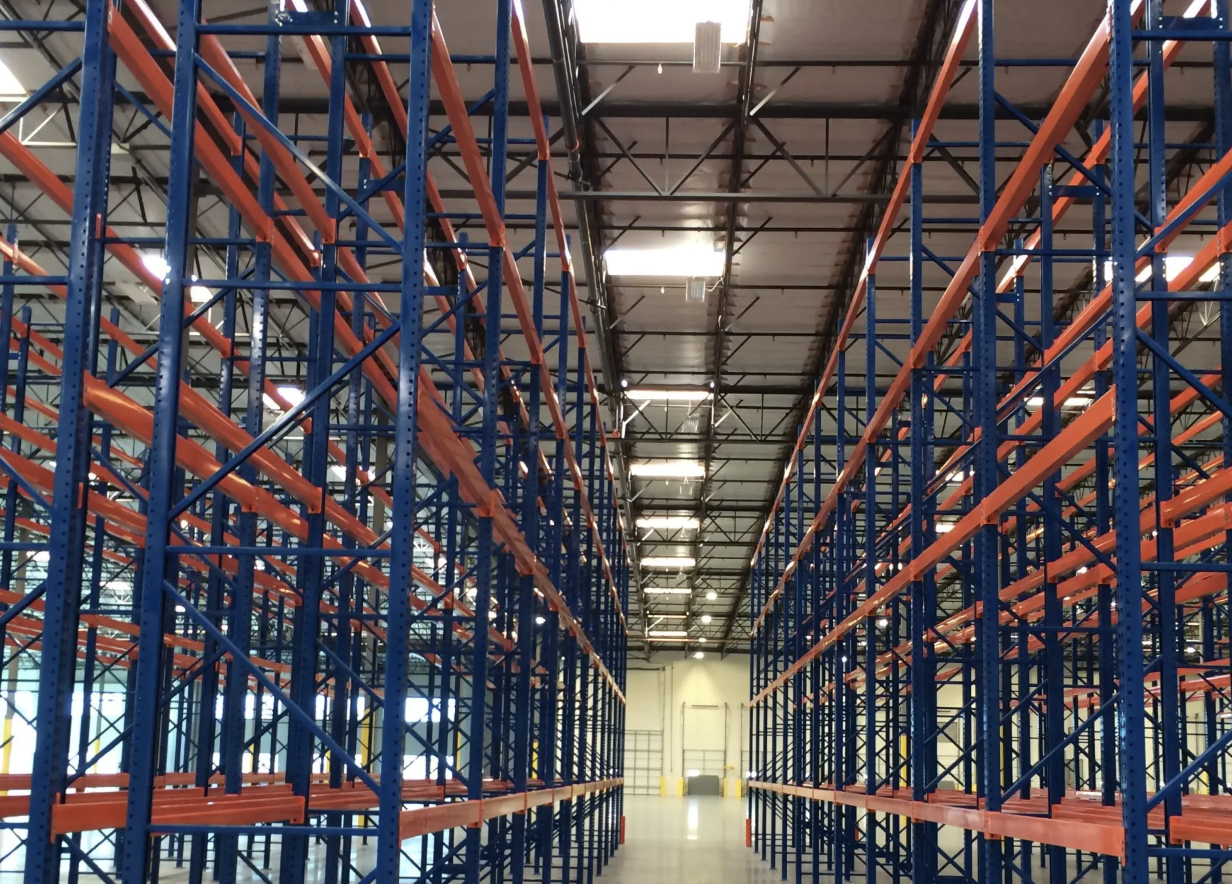
Pallet rack installation plays a crucial role in the safety, efficiency and long-term performance of your warehouse storage system. These FAQs address the most common questions warehouse operators ask when planning a new pallet racking installation, helping you understand the process, safety requirements and best practices.
What is pallet rack installation?
Pallet rack installation is the process of assembling and securing racking components—frames, beams, fixings and accessories—so your warehouse can store palletised goods safely and efficiently. Proper installation ensures the system performs as designed and complies with industry safety expectations.
Do I need professional installers for pallet rack installation?
Yes. Because pallet racking is a load-bearing structure, installation must be carried out by trained and competent professionals. This reduces the risk of incorrect assembly, uneven loading, structural failure and ongoing maintenance issues.
How long does pallet rack installation take?
Timescales vary depending on the size of the project, the complexity of the racking system, site access and whether the warehouse remains operational during the work. A site assessment helps determine an accurate installation schedule.
Can pallet racking be installed while the warehouse is running?
In many cases, yes. A safe, well-planned installation can be phased around ongoing operations. Clear aisles, designated work zones and good communication with staff help maintain productivity while ensuring installers can work safely.
What should I prepare before installation begins?
To streamline the process, you should:
-
Clear aisles and storage areas
-
Confirm final layout drawings
-
Ensure good lighting and access for tools/equipment
-
Provide any load data or operational requirements to your installer
-
Brief staff on restricted areas during installation
What affects the complexity of pallet rack installation?
Several factors influence complexity, including racking height, system type (standard, drive-in, cantilever, etc.), floor condition, load capacities, protective accessories and any customised features. More intricate designs typically require additional labour and planning.
Is pallet rack installation compliant with safety standards?
When completed by competent installers, pallet racking should be assembled in line with industry guidance such as SEMA and HSE best practice. This includes correct anchoring, levelling, beam locking, spacing and tolerances.
Do I need load notices after installation?
Yes. Load-bearing equipment must display clear, accurate load notices. These help prevent overloading and are essential for compliance with HSE expectations.
Do installers check the floor before installation?
A competent installer will assess floor level, concrete strength, access routes and any obstructions. This assessment ensures frames are plumb, correctly anchored and able to support specified loads safely.
What happens after pallet rack installation is complete?
A responsible installer will carry out final checks, ensure the racking is level and secure, and confirm that all fixings and safety components are correctly fitted. They may also walk your team through safe use and maintenance expectations.
How often should pallet racking be inspected after installation?
Best practice follows a three-tier system:
-
Regular in-house visual checks by warehouse staff
-
Monthly inspections by a competent internal person
-
An annual expert inspection to verify ongoing safety
For support with inspections, visit Able Racking’s Warehouse Racking Inspections page:
https://ableracking.co.uk/racking-inspections/
Can pallet racking be moved or reconfigured later?
Yes, many pallet racking systems are adjustable. However, any reconfiguration should be planned, risk-assessed and carried out by competent personnel to ensure structural stability and layout compliance.
Who can help with pallet rack installation?
Able Racking provides professional installation services across the UK, supporting logistics, retail and industrial warehouses with safe, compliant and efficient racking setups.
Learn more: https://ableracking.co.uk/racking-installation/