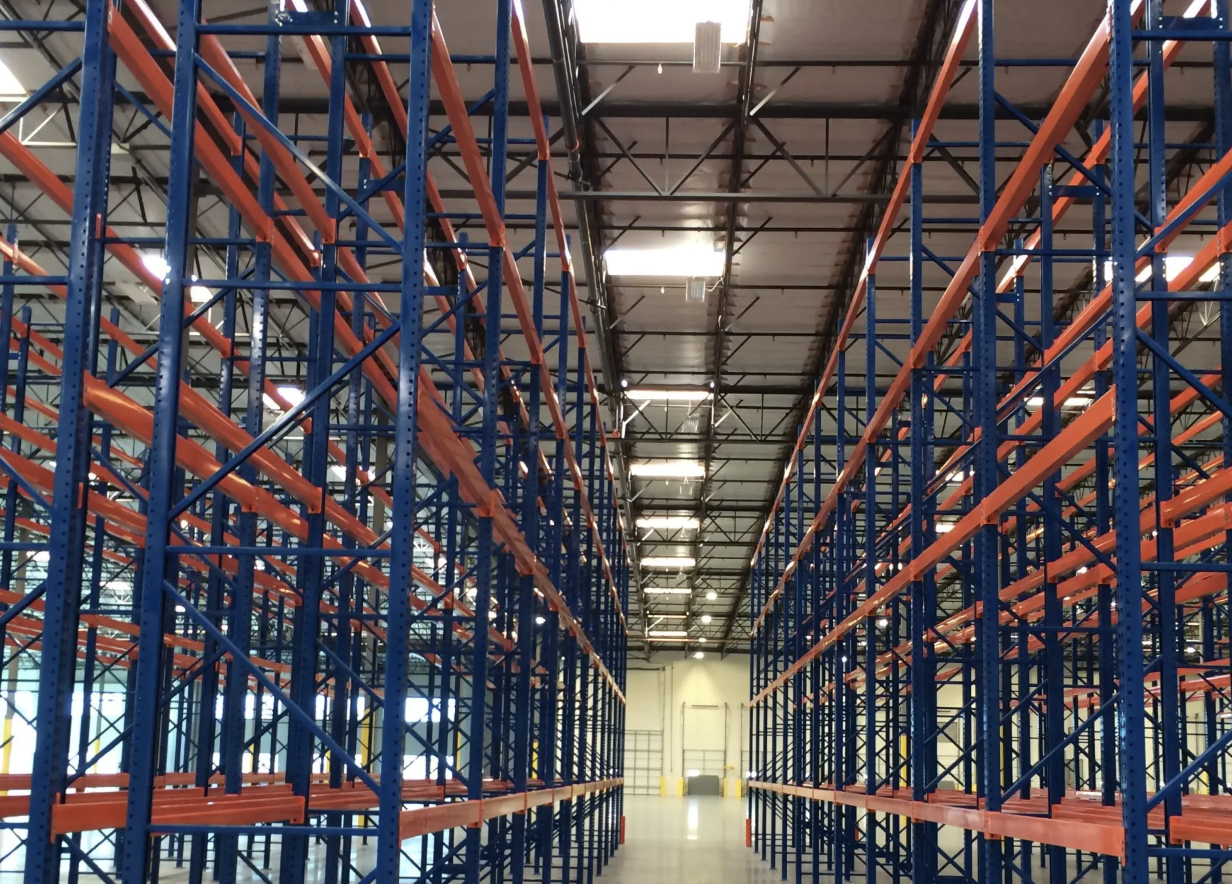
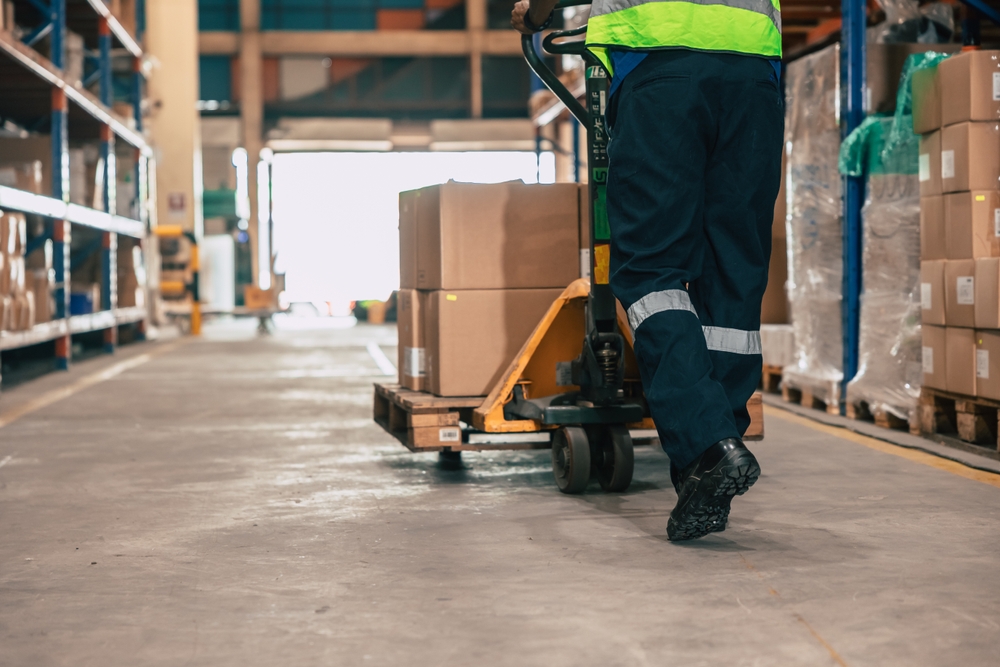
Running a safe, efficient warehouse relies on more than good processes – it depends on the structural integrity of your storage systems. A common question we hear from warehouse managers is “how often should racking be inspected?” Understanding inspection frequency is essential for protecting staff, preventing product loss and ensuring your operation meets UK safety standards.
Why Regular Racking Inspections Matter
Your racking carries heavy loads every day. Fork-lifts, pallet movements, overloading and general wear can all compromise structural stability over time. Without a structured inspection regime, small issues can escalate into serious hazards that may result in:
-
Injuries to staff
-
Damage to inventory
-
Operational downtime
-
Non-compliance with HSE expectations
-
Higher repair or replacement costs
Regular inspections allow you to identify damage early, maintain compliance and extend the lifespan of your racking.
How Often Should Racking Be Inspected?
To remain compliant with HSE guidance (HSG 76) and industry best practice, every warehouse should follow a three-tier inspection regime.
You can review the official HSE guidance in HSG 76.
1. Daily / Weekly In-House Checks
These are quick visual checks carried out by your team. Look for:
-
Bent uprights or beams
-
Loose or missing beam locks
-
Damaged floor fixings or baseplates
-
Pallets stored incorrectly
-
Overloading or uneven loading
These checks help you catch issues immediately and take damaged components out of service before they worsen.
2. Monthly Internal Inspections
Performed by a competent person within your organisation, these inspections should be more detailed and documented. Your internal inspector should:
-
Review each racking aisle systematically
-
Record damage using a traffic-light system
-
Ensure load notices are present and legible
-
Confirm that previous repairs have been completed correctly
A written record of monthly checks demonstrates due diligence and supports a strong safety culture.
If you’d like to upskill your internal team, consider our Racking Inspection Training.
3. Annual Expert Racking Inspections
At least once every 12 months, your warehouse should undergo a technical inspection by an independent, competent racking specialist.
For general industry context, you can find guidance on approved inspector standards on the SEMA website.
An annual expert inspection provides:
-
A full structural assessment
-
Accurate classification of damage
-
A prioritised repair plan
-
Independent verification of racking condition
-
Compliance reassurance for insurers and auditors
Able Racking can support with thorough, compliant racking inspections tailored to your site:
Racking Inspections
Signs Your Racking May Need More Frequent Inspections
Some warehouses may require additional expert inspections depending on risk level. You should consider increasing inspection frequency if your site has:
-
High forklift activity or narrow-aisle truck operations
-
Rapid stock turnover
-
Heavy or irregular pallet loads
-
Previous history of racking damage
-
New staff or frequent agency labour
-
Automation or mixed-equipment usage
If any of these apply, a six-month expert inspection may be more appropriate for your operation.
Who Should Carry Out Racking Inspections?
To comply with HSE and industry guidance:
-
Daily/Weekly checks: Any trained warehouse staff
-
Monthly inspections: A “competent person” within your team
-
Annual inspections: An independent expert with specialist knowledge of racking systems
Able Racking supports all aspects of internal competence and external inspection planning through:
How to Prepare for a Racking Inspection
Preparing your warehouse correctly ensures a smooth inspection and accurate reporting:
-
Clear aisles so inspectors can access all components.
-
Ensure lighting is sufficient across all racking levels.
-
Make load notices visible and up to date.
-
Provide previous inspection reports for reference.
-
Brief staff so they understand the purpose and importance.
If damage is identified, our Racking Repairs service can support you with safe, compliant remedial works.
Conclusion
Understanding how often racking should be inspected is critical for maintaining a safe, compliant and efficient warehouse. By following the tiered approach—regular in-house checks, monthly internal inspections and annual expert assessments—you significantly reduce risks and protect both your people and your operation.
For support with inspections, repairs or training, the Able Racking team is here to help with nationwide service and practical expertise.